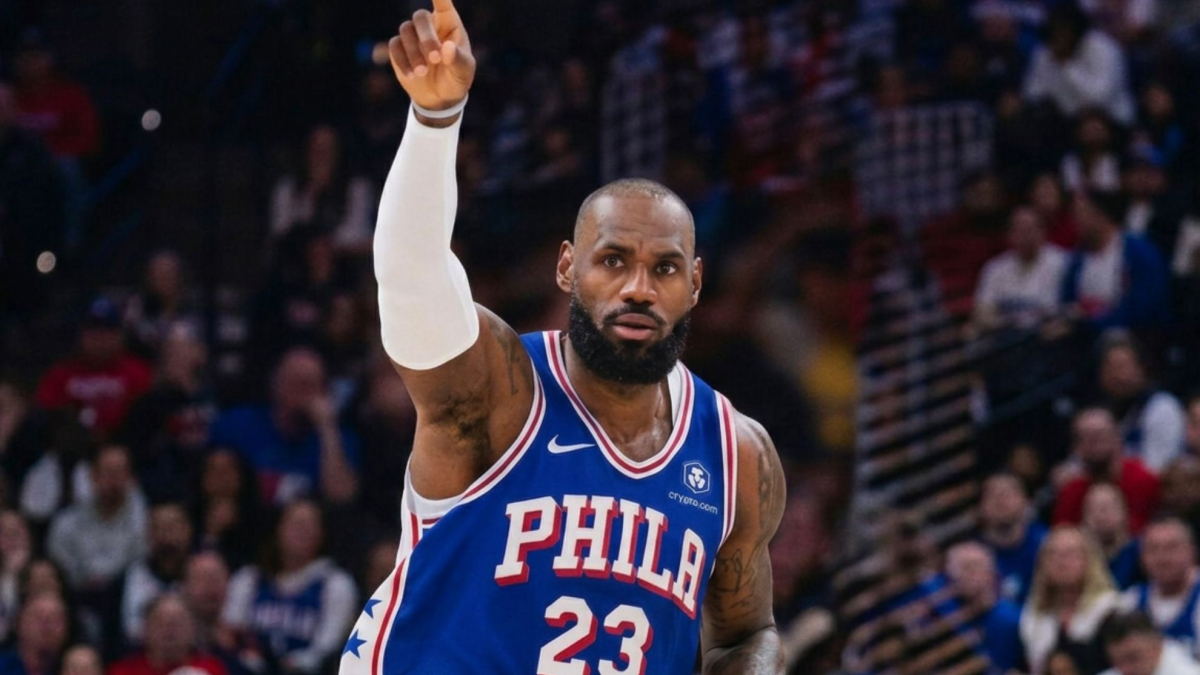
The landscape of the Eastern Conference has shifted dramatically with LeBron James choosing the City of Brotherly Love. After eight seasons in Los Angeles—his longest consecutive stretch with any single franchise—the 41-year-old superstar agreed to a two-year, $8 million contract with the Philadelphia 76ers, according to reports from Shams Charania.
For weeks, the league-wide rumor mill pointed toward a four-team shortlist of contenders: Golden State, Cleveland, Miami, and Philadelphia. While family considerations, particularly proximity to his daughter Zhuri in Southern California, heavily weighed on his evaluation, the personnel architecture clicked into place through an unexpected divisional rival trade.

The Catalyst: Boston's Miscalculation
According to insights shared by Rich Paul on Max Kellerman's podcast, James's calculus regarding Philadelphia changed fundamentally only after a major roster shake-up in Boston. The Celtics, determining they could not indefinitely sustain the financial burden of a core featuring Finals MVP Jaylen Brown, shopped the star guard and ultimately executed a trade sending him to their divisional rival in Philadelphia.
Had that transaction not materialized, James's arrival in Philly would not have been on the table. As Paul noted, the addition of Brown alongside Tyrese Maxey completely altered the competitive ceiling of the franchise, transforming the 76ers from an intriguing suitor into an undeniable destination.
Front Office Familiarity and Back-of-House Stability
Beyond the newly minted star partnership with Brown and Maxey, Philadelphia offered a deeply entrenched institutional familiarity. James's camp shared longstanding ties in the Camden and Philadelphia ecosystems, ranging back through historical connections with Mitchell and Ness, Total Sports, and personal relationships across the 76ers front office and coaching staff, including David Adelman, Ned Cohen, and managing figures.
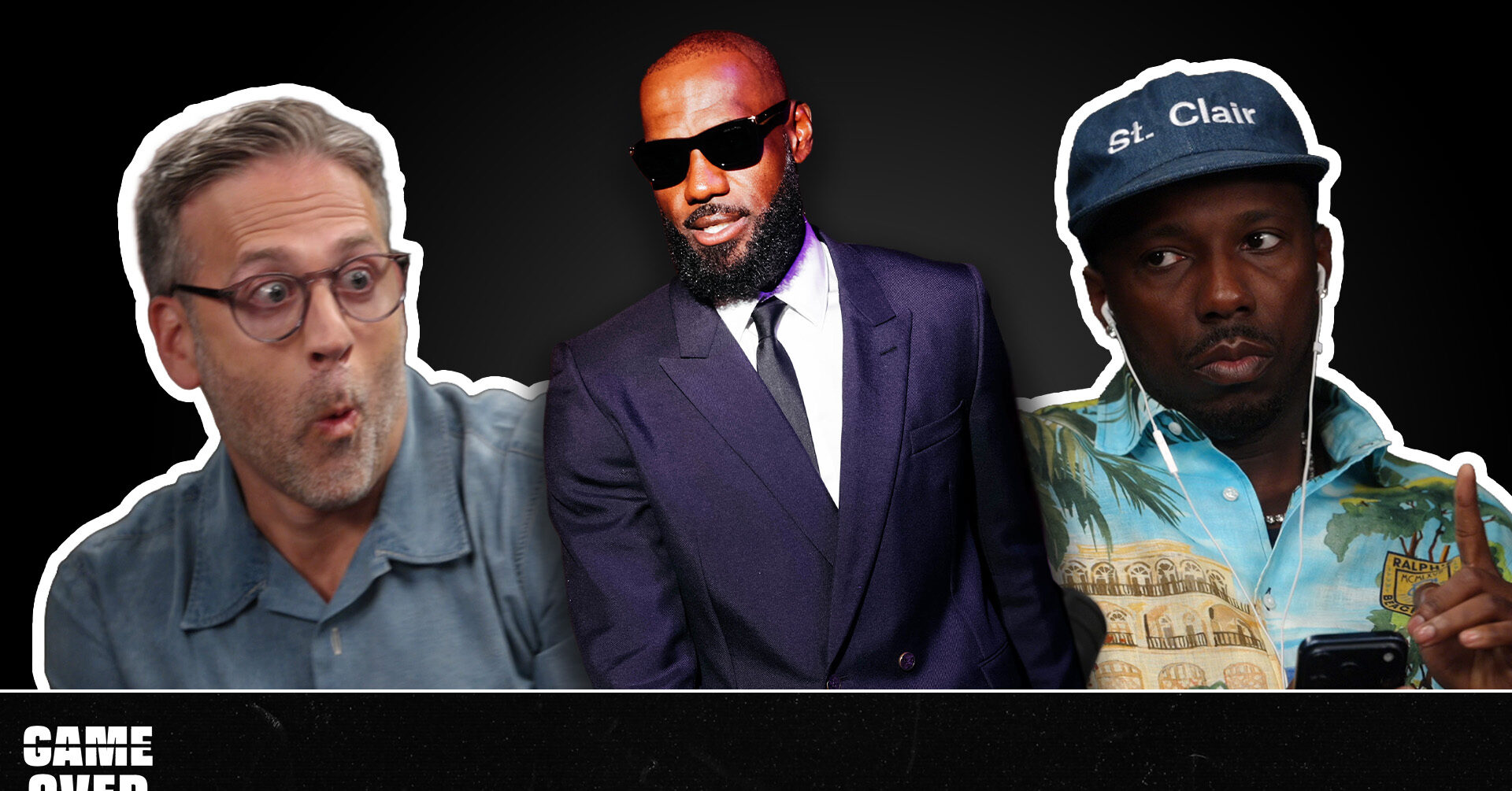
While back-of-house operations in Cleveland, Miami, and Golden State also represented comfortable organizational baselines, Philadelphia’s rapid consolidation of elite talent—catalyzed by Boston's inability to retain Brown—pushed the scales decisively.
Setting the Standard in the Offseason
Even before official training camp opens, James is signaling that his arrival carries uncompromising internal demands. Coming off a final Lakers campaign disrupted by injuries to key rotational pieces like Luka Doncic and Austin Reaves, James has immediately pivoted to setting an elite physical bar. Footage of his early-morning workouts highlights an unrelenting training intensity, aimed at combating the natural athletic trade-offs of entering his 24th NBA season.
Evidence-Led Forecast: The Eastern Conference Hierarchy
Tactical Pattern: The 76ers project to play through a high-usage, hyper-intelligent offensive hub featuring James operating alongside Maxey's elite perimeter speed and Brown's three-level scoring versatility. Expect heavy doses of pick-and-roll action and mismatch hunting against switching defenses.
Decisive Matchup: How Philadelphia's redesigned wing rotation integrates defensively against reigning conference heavyweights, and whether Boston's pivot to Paul George offsets the catastrophic structural blow of surrendering Brown to a direct rival.
Strongest Counter-Case: Skeptics will point to the five-hour cross-country travel burden on James's family life and the immense physical mileage of 23 prior professional seasons, which could leave the roster vulnerable to late-season attrition.
What Would Change the Read: An inability for the new-look supporting cast to match James's rigorous pre-dawn conditioning standard, or early-season defensive slippage in transition that exposes the team's adjusted depth.
Sources
These sources formed the evidence pack for this article. Links open the original publisher; inclusion does not imply endorsement.
- theringer.com original
- nypost.com original
- marca.com original
- nba.com original

