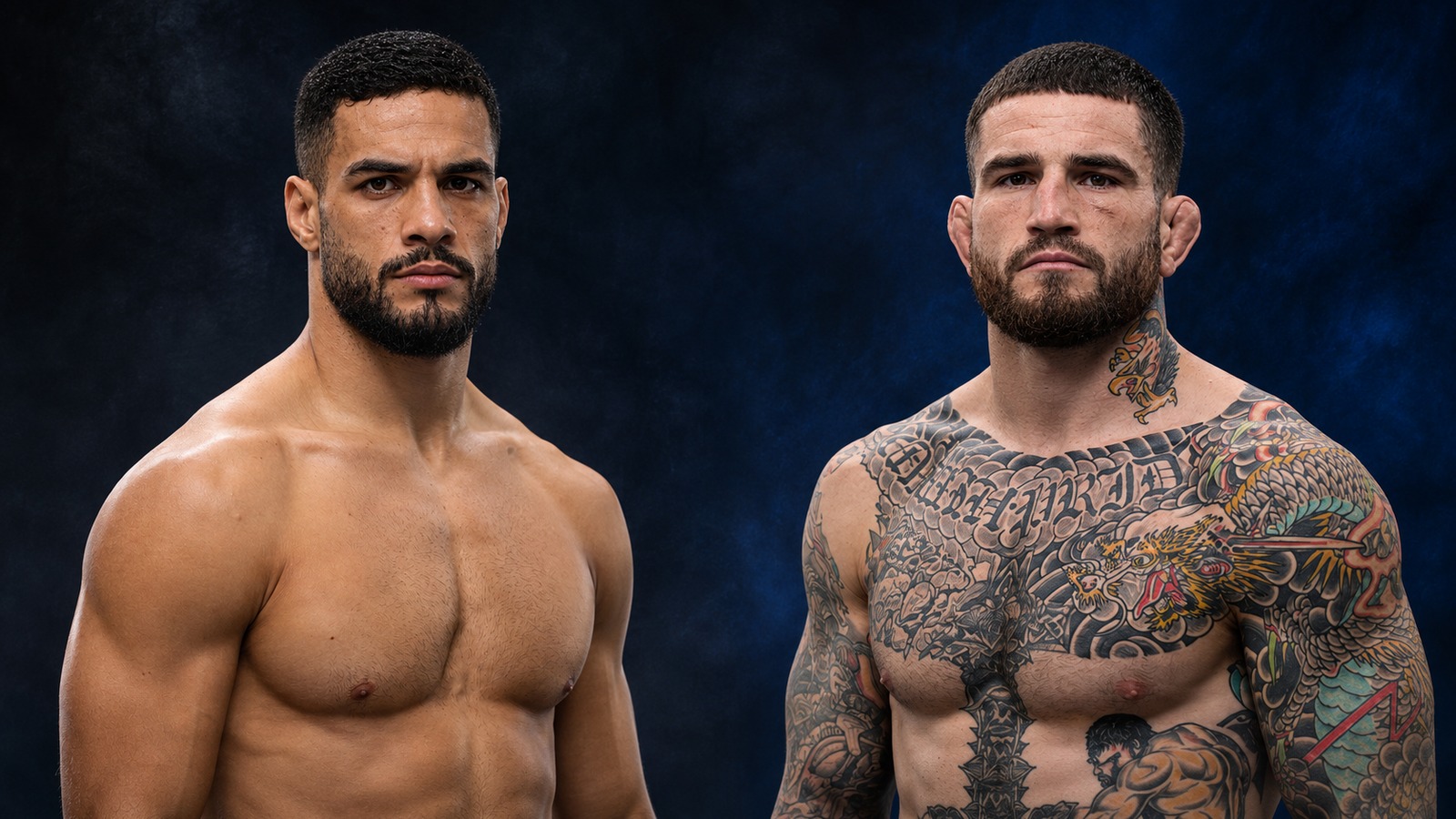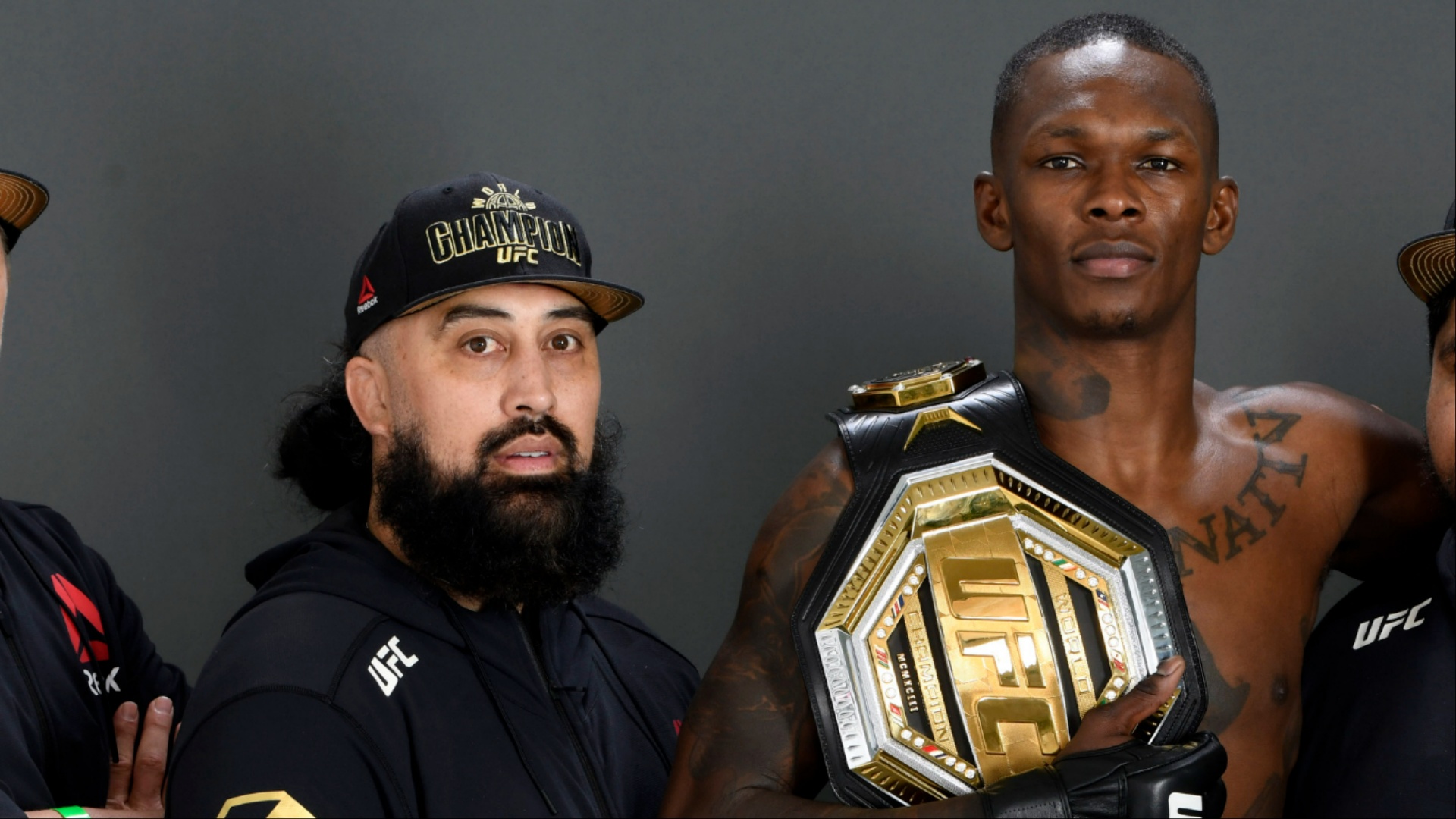
Israel Adesanya has spent the last six months doing something he never did in 14 years as a professional fighter: training without the City Kickboxing logo on his chest. The former two-time middleweight champion left the Auckland gym in May, weeks after a stoppage loss to Joe Pyfer extended his losing streak to four. He hasn't fought since. Next Saturday in Riyadh, he returns against Shara Magomedov — and the story isn't just whether Adesanya can snap the skid. It's whether the man who built his own camp from scratch can reclaim the version of himself that once looked untouchable.
"It was a hard decision, and I would describe it as worse than a breakup," Adesanya said in a recent YouTube video. "We've had bad breakups — we all have. When I was younger, I felt I'd spent so much time with this person and didn't want to lose all those years. And then you stick to it, regardless of the disrespect, manipulation… but you stick with them because you don't want to let that go to waste. But then, as I got older, I could see things for what they were. So as hard as it was, it also was really easy once I got it done… Once I ripped the band-aid off, I could see the forest through the trees."
The language is revealing. Adesanya frames the split not as a coaching disagreement but as an emotional untangling — sunk-cost fallacy meets institutional inertia. He spent his entire MMA career under Eugene Bareman, the architect of City Kickboxing's rise from suburban Auckland garage to global fight factory. Together they collected two UFC titles, defended them five times, and turned Adesanya into the sport's most marketable striker. But the last two years corroded something fundamental. Four consecutive losses — to Sean Strickland, Dricus du Plessis, Nassourdine Imavov, and Pyfer — each carried a different tactical lesson, yet the same strategic blindness: opponents who pressured, wrestled, and refused to play Adesanya's distance game.
Rumors of tension between Adesanya, Bareman, and light heavyweight champion Carlos Ulberg circulated for months. Adesanya has repeatedly dismissed the Ulberg angle. What he hasn't dismissed is the cumulative weight of "disrespect, manipulation" — words he chose deliberately, not in the heat of a post-fight press conference but in a controlled, reflective video. The subtext: the gym's culture had shifted, or his place in it had, and the loyalty that once felt like armor had become a cage.
Building Unity: The Anatomy of a Bespoke Camp
Adesanya didn't wander into the wilderness. He brought the infrastructure with him. Andrei Paulet, his wrestling coach at CKB, became the cornerstone of the new operation. "He's way more than a wrestling coach, that's just his foundation," Adesanya said. Through Paulet, he recruited Tristam "Twist" Apikotoa — a longtime presence in his corner — and together they built Unity MMA, a facility Adesanya describes as "perfect, just up the road from us."
The geography matters. Unity sits in South Auckland, close to Adesanya's base. The camp pulled sparring partners from the area, creating a localized ecosystem rather than importing names. Adesanya hand-picked two initial coaches; Twist expanded the roster. The result is a staff built around a single fighter's calendar, biology, and blind spots — something a multi-champion gym serving Israel Adesanya, Dan Hooker, Carlos Ulberg, Kai Kara-France, and others can never fully achieve.
"This is the best I've felt in a very long time, for real," Adesanya told Sherdog. "With my departure from my old gym, CKB, and now building the team that I have and training specifically for me…" He acknowledged the cliché — every fighter says this before a comeback — but insisted the difference is tangible. He claims he's been holding fight-week conditioning for weeks, a physical benchmark that usually peaks only in the final days before weigh-ins.
The Magomedov Test: Style, Stakes, and the Unknown
Shara "Bullet" Magomedov (17-1) presents a singular puzzle. The Dagestani striker fights with one functional eye — the result of a childhood injury — and compensates with unorthodox angles, spinning attacks, and a rhythm that breaks conventional striking logic. He's 4-0 in the UFC with three finishes, all by knockout. Five rounds. Main event. No wrestling threat to speak of, which means Adesanya won't face the takedown pressure that dismantled him against Strickland, du Plessis, Imavov, and Pyfer.
On paper, this is a striker's delight — the kind of matchup Adesanya once turned into highlight reels. But the last two years have rewritten the paper. Adesanya's defensive timing, once his greatest asset, has eroded. He's been caught retreating, caught against the fence, caught waiting for counters that never came. Magomedov's chaos style doesn't require a takedown to disrupt rhythm; it requires only that Adesanya engage on unfamiliar terms.
The Unity camp has had six months to prepare for exactly this: a pure striking contest where the variables are distance, timing, and pattern recognition. No wrestling rooms. No scramble drills. Just rounds and rounds of looks that mimic Magomedov's broken geometry. If the bespoke model works anywhere, it works here.
What the Breakup Actually Cost — and What It Might Return
Adesanya lost more than a gym. He lost the institutional memory of a system that knew his body better than he did — the warm-up routines, the weight-cut protocols, the psychological cues Bareman read like telemetry. He lost the sparring partners who'd grown with him for a decade. He lost the credibility that comes with the CKB brand, the shorthand that told matchmakers and fans: this fighter is prepared.
What he gained is agency. Every drill, every session, every voice in the room now answers to one question: does this make Israel Adesanya better for December 5? The answer won't be known until the cage door closes in Riyadh. But the man who once danced through divisions with surgical precision has spent half a year rebuilding the operating room. The band-aid is off. The forest is visible. Now we find out if the trees were the problem all along.
Sources
These sources formed the evidence pack for this article. Links open the original publisher; inclusion does not imply endorsement.
- bjpenn.com original
- sports.yahoo.com original
- sherdog.com original
- yardbarker.com original