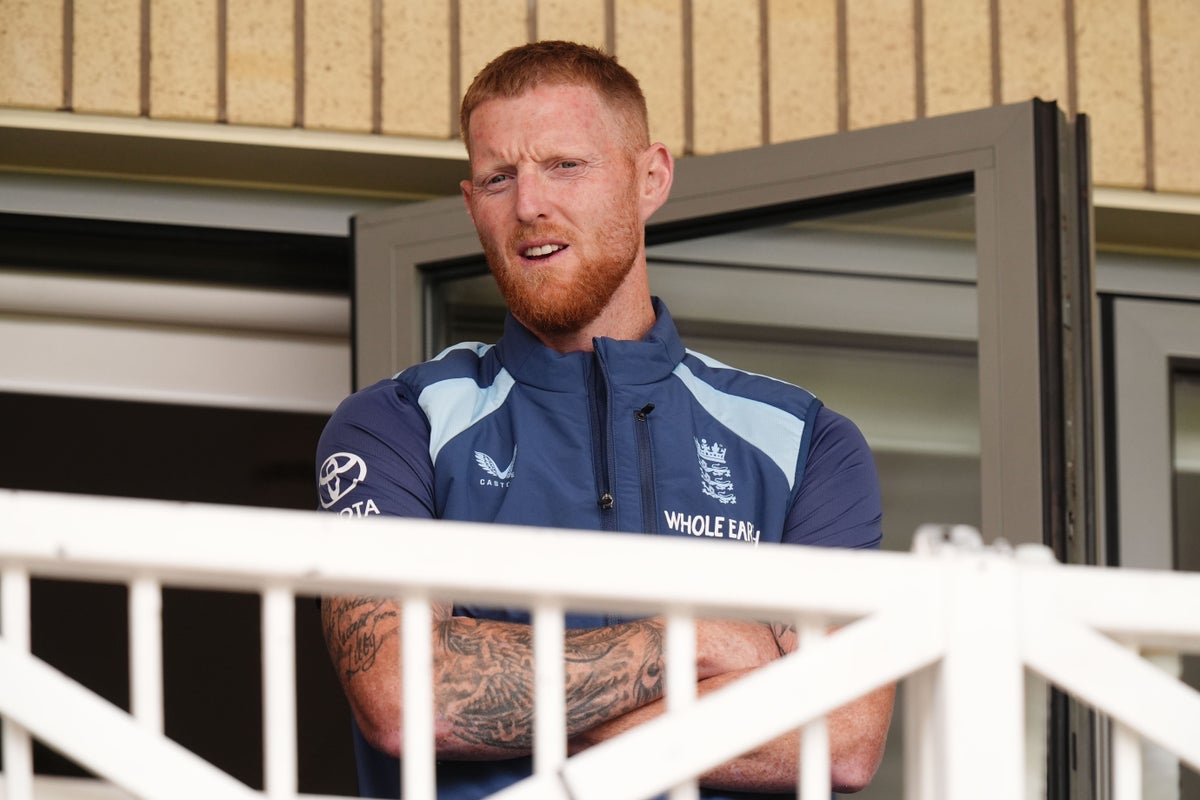
When Ben Stokes gathered his England teammates in the Trent Bridge dressing room before the start of play on the fourth day of the third Test against New Zealand, he was closing the book on an extraordinary international career. “This is my last two days as your captain and my last two days representing England,</em> Stokes told the squad, in a scene captured on film and swiftly published by the England and Wales Cricket Board (ECB). “Reasons can wait... but I've had many trips to the well before for this team, for you blokes, the people before, and I've got one more trip to do.”
That final trip on the pitch ended in a 160-run defeat, handing New Zealand a 2-1 series victory—England's first home series loss over three or more Test matches since 2012. But the drama did not stay confined to the scorecard. The very existence of the dressing room video recording invited the unwanted attentions of the International Cricket Council (ICC).
Under the global governing body's anti-corruption minimum standards and standard provisions, strict regulations govern the use of filming equipment in restricted zones. ICC provisions prohibit the use of “fixed or temporary video cameras or other recording equipment” in dressing rooms with the intention of publishing video or audio. Furthermore, the global body had previously informed the ECB that any footage shot in players' and match officials' areas must not carry audio or be released before the conclusion of a match.
According to reports from BBC Sport, a letter sent by the ICC on the Saturday following the incident stated that the ECB had breached these provisions by recording and broadcasting the footage and audio of Stokes' address before the Test concluded. The video had been pushed out across England’s social media channels and later broadcast on television.
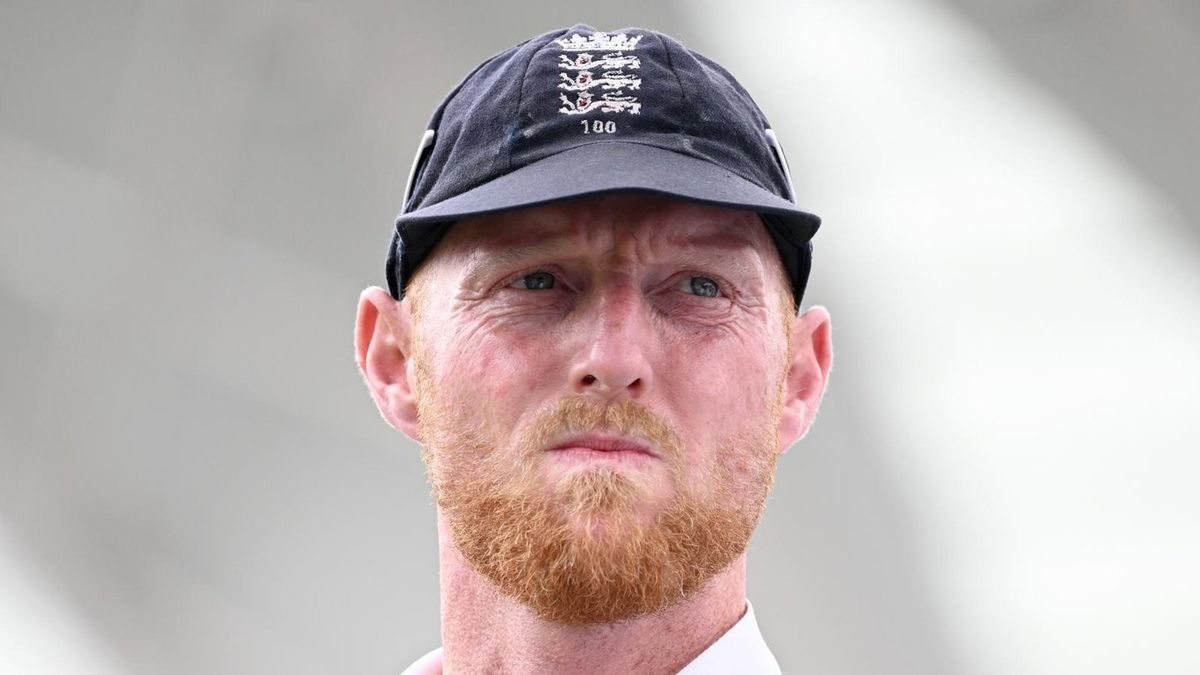
Despite the initial regulatory friction, the situation did not escalate into formal sanctions. It was subsequently understood that while the ICC wrote to the ECB regarding the breach, no further action would be taken by the world governing body, and the matter was resolved.
Stokes, who responded to the reports of the investigation on social media by jokingly writing Sack him,
is no stranger to administrative storms. His final home Test series against New Zealand was turbulent from the outset. He had missed the second Test of the series at the Oval—where former captain Joe Root stood in—after being sanctioned alongside pace bowler Gus Atkinson for breaking a team curfew and becoming involved in an off-field confrontation with Saracens player Totoa Auvaa.
With Stokes now permanently stepping away from international duties, vice-captain Harry Brook is expected to be appointed as the permanent successor to the 35-year-old all-rounder, turning the page on a volatile yet captivating chapter in English cricket history.
Sources
These sources formed the evidence pack for this article. Links open the original publisher; inclusion does not imply endorsement.
- bbc.com original
- sportbible.com original
- independent.co.uk original