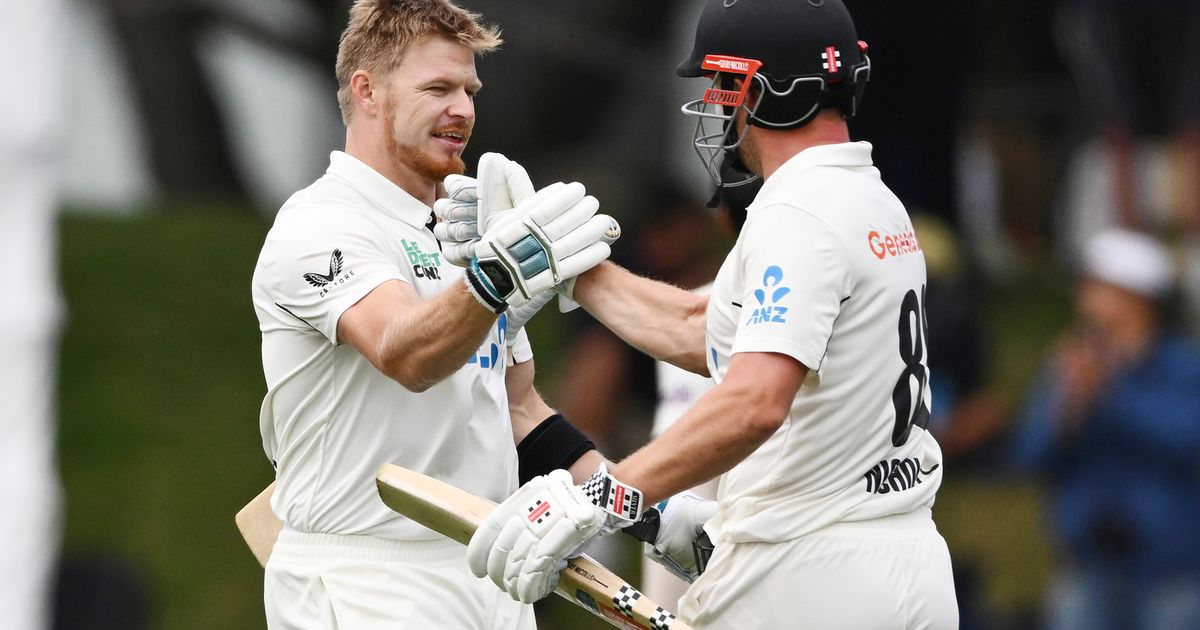
The Basin Reserve offered a masterclass in batting endurance and a warning about what happens when a Test pitch refuses to cooperate. India amassed 720 for 9 declared — the highest total in Test cricket on New Zealand soil — across 165 overs of near-flat batting conditions. New Zealand replied with 368, anchored by Glenn Phillips' 118 and Henry Nicholls' 146 not out, before time ran out on day five. The series stands 0-0. The World Test Championship table barely moved. And now, everything that matters shifts 300 kilometres south to Hagley Oval.
A Pitch That Might Actually Bite
Groundstaff at Christchurch have left approximately 12mm of grass on the surface, and the forecast calls for bright sunshine over the first two days. That combination — grass cover plus drying heat — is the classic recipe for early seam movement that eases as the match progresses. Matt Henry, who has claimed 40 Test wickets at Hagley Oval at an average of 23.32, called for "a bit of life" after the Wellington surface halved the threat of nearly every bowler. If the pitch delivers on its early promise, Henry and the recalled Matt Fisher (replacing the hamstrung Blair Tickner) could make the new ball talk in ways Wellington never allowed.
Latham's Pair and the Opening Over Pattern
Tom Latham's nightmare in Wellington is the statistical outlier that haunts New Zealand: dismissed by Jasprit Bumrah in the first over of both innings, both times without scoring. Bumrah's return to Test cricket after a 12-month absence produced three wickets on day one, then zero before lunch on day two as conditions flattened. The pattern is clear — if New Zealand win the toss and bowl first, Henry and Fisher get first use of the green surface. If India bat first, Bumrah gets another crack at Latham with a new ball on a pitch that might actually do something.
India's Selection Headache: Hit-the-Deck Pace
Shubman Gill's side faces one genuine selection dilemma: Gurnoor Brar or Prasidh Krishna for the hit-the-deck seamer's role. Mohammed Siraj and Ravindra Jadeja were left out in Wellington; the same combination could persist if the pitch flattens. But Hagley's grass suggests bounce and carry — exactly what a tall, hard-length bowler exploits. Brar's height and Krishna's extra pace offer different profiles for the same job. India's batting depth — Yashasvi Jaiswal, KL Rahul, Devdutt Padikkal, Gill, Rishabh Pant, Ravindra Jadeja, Dhruv Jurel, Akash Deep — already looks deeper than New Zealand's, especially with Phillips and Nicholls the only centurions in the first Test.
The 17-Year Wait and WTC Arithmetic
India have not won a Test series in New Zealand since 2009. A draw in Wellington means they need a win in Christchurch to claim the series; New Zealand need only avoid defeat. But the World Test Championship context adds weight: both teams have six Tests scheduled over eight weeks, and every point shapes the 2027 final picture. The Wellington draw cost both sides — India's 720-run declaration yielded zero WTC points because the game didn't finish. A result at Hagley, either way, moves the needle.
What the Toss Decides
History at Hagley suggests batting first on a green top is brave but risky; the team bowling first often extracts maximum value in the opening session. New Zealand's strategy is transparent: win the toss, bowl, let Henry and Fisher exploit the 12mm of grass, then bat last on a drying surface. India's deeper batting line-up gives them more margin for error if they're inserted. But if Gill wins the toss and bats, he's backing his batters to grind — exactly what they did in Wellington, only this time the pitch might reward the bowlers first.
"If New Zealand win it and use the early movement, Henry can make life difficult. If the pitch flattens as it did last week, a draw is a real possibility. India have the deeper batting and the sharper new-ball threat, so they should edge it."
— Cricket News preview
Forecast: The Tactical Shape of the Match
Most likely pattern: New Zealand win toss and bowl. Henry and Fisher extract 3-4 wickets in the first session. India's top order — Jaiswal, Rahul, Padikkal — negotiates the new ball, then accumulates against the older ball as the pitch flattens. First innings: 380-420. New Zealand's batters face a deteriorating surface on days three and four; Phillips and Nicholls again hold the key. India's spinners (Jadeja, Washington Sundar) come into play late. Result hinges on whether India's lead is large enough to bowl New Zealand out twice.
Strongest counter-case: India win toss and bat. Jaiswal and Rahul build a 150+ opening stand on a pitch that looks worse than it plays. New Zealand's bowlers toil; the grass disappears by lunch day one. India posts 500+. New Zealand, demoralised, collapses twice. India win by an innings.

What changes the read: Rain on day one (washes the grass, flattens the pitch immediately). A Latham century (breaks the Bumrah hoodoo, gives New Zealand a platform). An injury to Bumrah or Henry (removes the primary new-ball threat for either side).
The Wellington draw was a document of what happens when a Test match loses its contest between bat and ball. Hagley Oval promises to restore it. For India, 17 years of history wait on five days in Christchurch. For New Zealand, a series draw against the world's top-ranked side is a perfectly acceptable outcome — if their bowlers finally get a surface that says yes.
Sources
These sources formed the evidence pack for this article. Links open the original publisher; inclusion does not imply endorsement.
- indiatoday.in original
- sports.yahoo.com original
- wral.com original
- sportingnews.com original