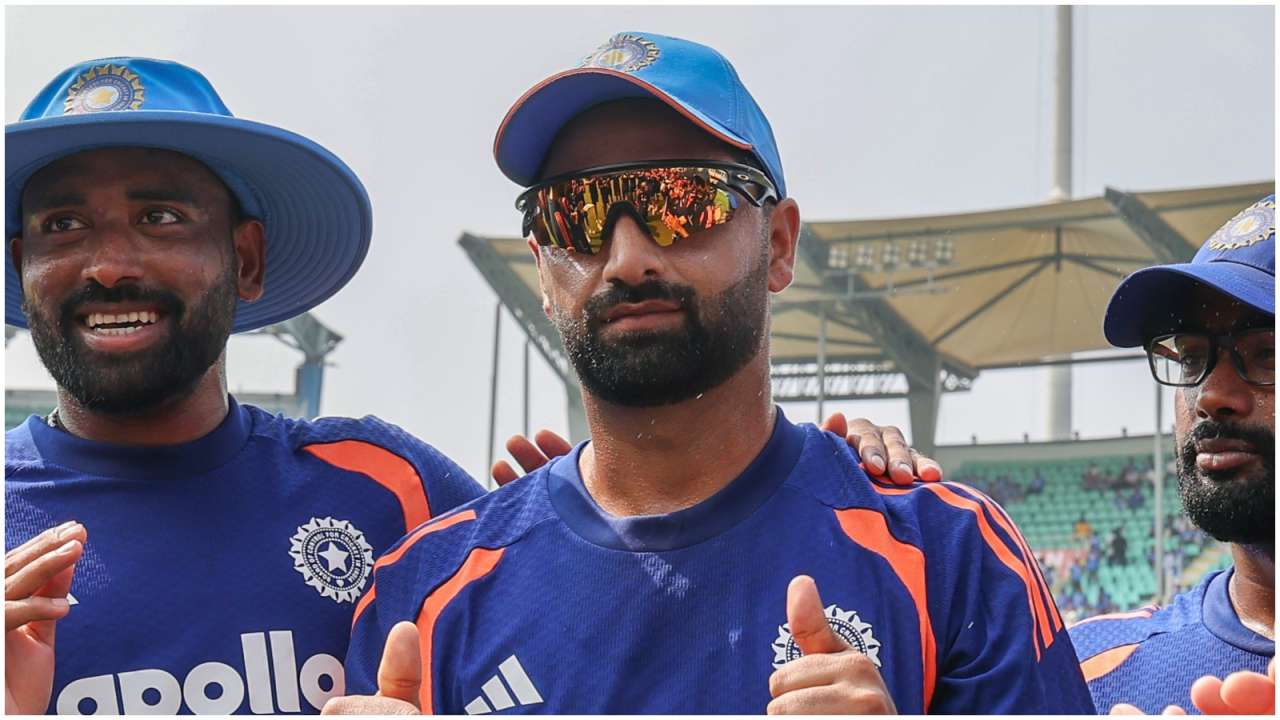
Indian captain Shubman Gill won the toss and elected to field first against the West Indies in the second ODI, sending out a refreshed pace attack on a humid afternoon featuring a surface with patchy spots and visible grass. The central tactical decision for the hosts revolves around 25-year-old Jammu and Kashmir fast bowler Auqib Nabi, who makes his international debut as India seeks to build on their eight-wicket win in Sunday’s series opener in Thiruvananthapuram.
Nabi replaces seam-bowling all-rounder Nitish Kumar Reddy, reflecting the team management's decision to reward standout domestic form. Following a landmark 2025-26 Ranji Trophy season in which he claimed 60 wickets in 17 innings to guide Jammu and Kashmir to the title, Nabi becomes just the third cricketer from his state to represent India in international cricket, following Parvez Rasool and Umran Malik. His domestic campaign previously secured him an INR 8.4 crore IPL contract with Delhi Capitals, and his maiden cap marks another major milestone in his rapid rise.

Conditions in Guwahati and Tactical Choices
Explaining his decision at the coin toss, Gill pointed toward the surface and environmental factors that made bowling first the natural choice on the day.
blockquote>"We are going to bowl first. A bit more grass, and it looks a bit more patchy. The way we came back in the last match was very good. It is more humid here, so it is more of a challenge for our bowlers. Everyone looked well, even Rohit. We have got one chance. Nabi makes his debut in place of Nitish," Gill said.
blockquote>Choosing to chase again mirrors India's approach from the opener, where senior batters Rohit Sharma, Virat Kohli, and Gill comfortably ran down the West Indian total. That match saw Kohli pass 15,000 career ODI runs and record his 55th ODI century, surpassing Sachin Tendulkar's mark for the most centuries against a single international opponent. Gill also notched his 10th ODI century as India sealed a dominant opening victory.
Rebuilt Caribbean Lineup and Team Sheets
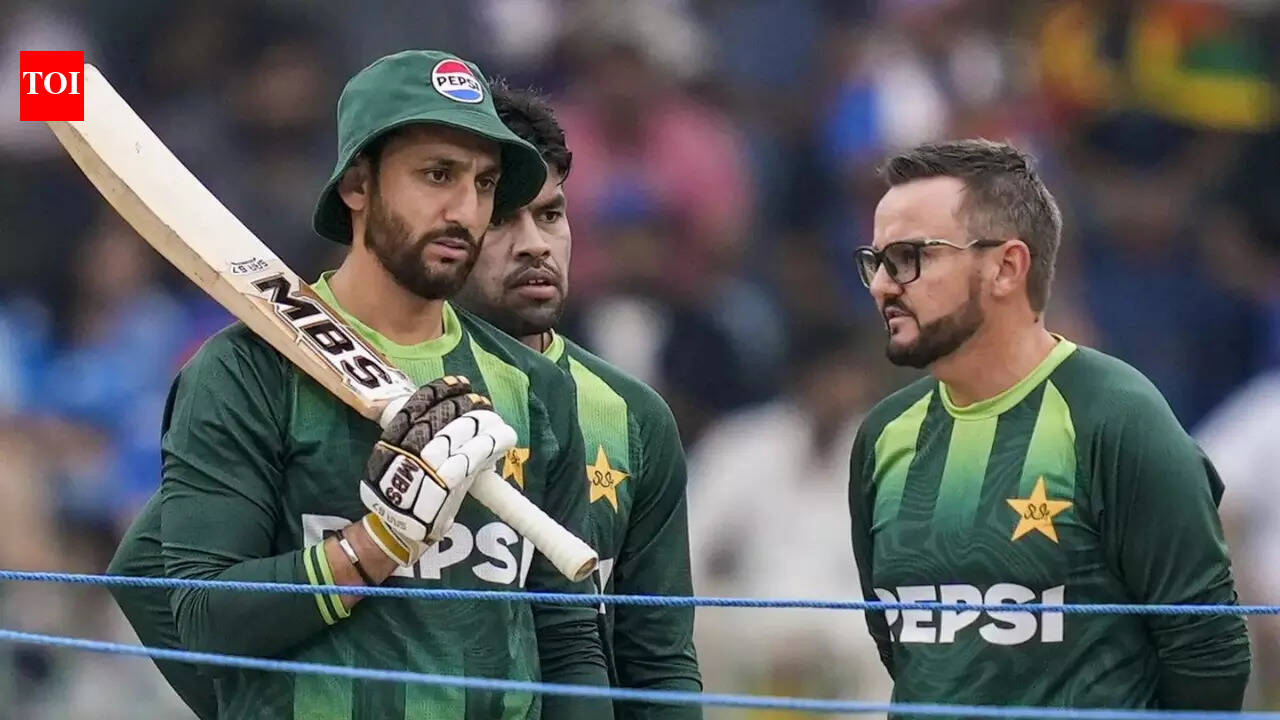
For the West Indies, captain Shai Hope oversees a starting XI that features four changes following their loss in the first match. The visitors brought in power-hitter Sherfane Rutherford, all-rounder Keemo Paul, fast bowler Shamar Joseph, and Vitel Lawes, replacing Justin Greaves, Jewel Andrew, Matthew Forde, and Gudakesh Motie. The restructuring adds extra seam firepower and middle-order depth to balance their approach.
India's batting lineup retains Naman Dhir in the middle order after he made his ODI debut in the first match. The spin department relies on Ravindra Jadeja and Kuldeep Yadav, while Prasidh Krishna and Gurnoor Brar partner debutant Nabi in an energetic seam attack.
Guwahati Tactical Forecast and Strategic Matchups
Likely Tactical Pattern: Given the atmospheric humidity and initial grass covering, India's fast bowlers will aim to attack fuller lengths to extract lateral movement during the opening powerplay. Prasidh Krishna's steep bounce alongside Nabi's seam seam control will test openers John Campbell and Keacy Carty early on. West Indies will aim to retaliate during the middle overs through Sherfane Rutherford and Roston Chase targeting Kuldeep Yadav and Ravindra Jadeja.
Decisive Matchup: Auqib Nabi vs. Shai Hope. Hope remains the central anchor of the West Indian batting card. If Nabi can replicate his domestic seam movement to disrupt Hope early, West Indies risk being put under pressure before their middle order can establish control.
Alternative Scenarios and Uncertainties: If the pitch dries under the afternoon sun and loses its seam assistance early, West Indies' quicks—led by Alzarri Joseph, Shamar Joseph, and Jayden Seales—could use extra bounce to press India's top order. A rapid early start from Campbell and Carty against India's fresh pace attack could push the target beyond 300, shifting the pressure back onto the chasing side.
Sources
These sources formed the evidence pack for this article. Links open the original publisher; inclusion does not imply endorsement.
- hindustantimes.com original
- timesofindia.indiatimes.com original
- dnaindia.com original
- abcnews.com original