In the specialized world of professional beach tennis, the transition from local talent to international contender is rarely a straight line. In the Arena Porto Seguro in Sorriso, Mato Grosso, the second edition of the city's international tournament has created a rare environment where regional prospects are not just competing on the periphery, but actively disrupting the established order of the world rankings.
The event is defined by its tiered structure, designed to funnel energy from developmental competition into high-intensity, point-heavy brackets. While reports on the tournament's origins occasionally fluctuate between identifying it as an 'inaugural' event versus a second edition, the logistical reality is clear: the infrastructure, backing by the Mato Grosso State Secretariat of Culture, Sport, and Leisure (Secel), and the caliber of participants like Spanish world champion Antomi Ramos suggest a mature, growing professional circuit.
Bridging the Competitive Gap
Perhaps the most significant development in this year's competition is the emergence of 17-year-old Enzo Vacchiano. Vacchiano has navigated the transition from regional player to partnering with Antomi Ramos, a former world number one and current global fixture. This pairing, facilitated by the inclusive structure of the local tournament, has provided a masterclass in tactical adaptation.
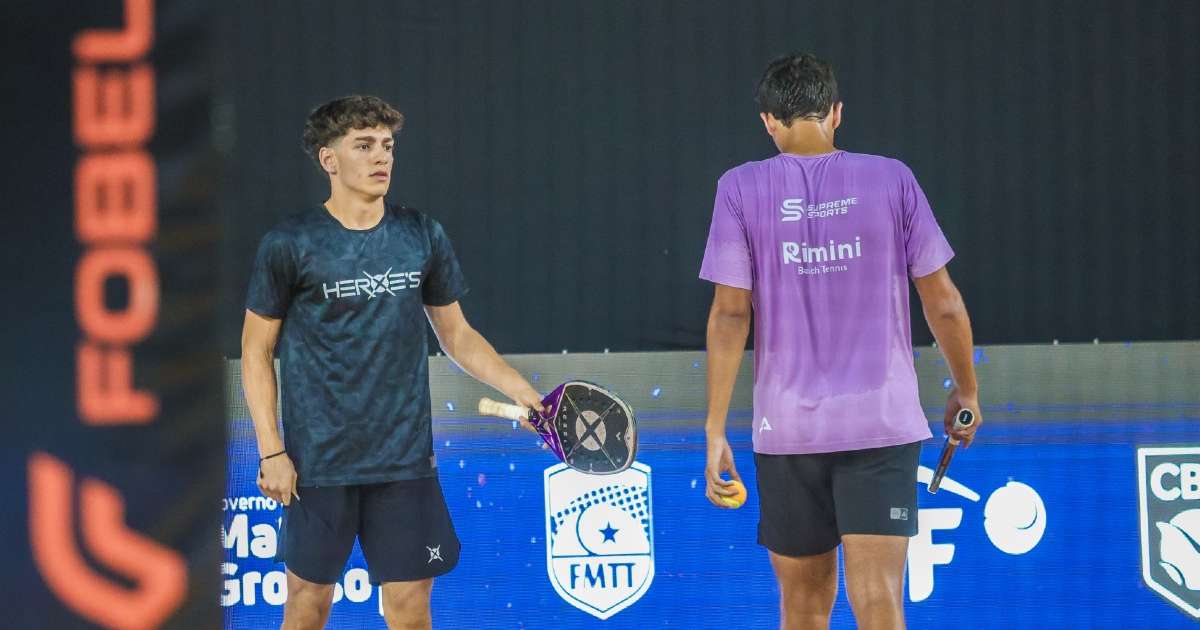
Ramos has been vocal about the importance of these partnerships, noting that the goal is not merely participation, but professional development for the next generation. The duo has demonstrated this intent on the court, securing hard-fought victories that have forced even the tournament’s seeded pairings to recalibrate their strategies mid-match. This mentorship model, where seasoned professionals invest their time in regional talent, is proving to be a catalyst for growth in the Brazilian beach tennis landscape.
A Tiered Path to Professionalism
The tournament’s format is intentionally constructed to test athletes across different pressure points, ranging from the foundational BT 50 level to the high-stakes BT 200 bracket. The progression is not merely about prize money; it is about the accumulation of ITF points that dictate the future eligibility of these athletes on the global stage.
| Tier | Prize Pool | Ranking Significance |
|---|---|---|
| BT 50 | $4,000 | Entry-level points for emerging talent |
| BT 100/200 | $10,000–$15,000 | Critical points for international standing |
The women's draw has mirrored this intensity, with regional athletes like Marcella Balduíno—a Rondonópolis native—partnering with Italian veteran Flaminia Daina. Their path through the tournament has been characterized by defensive discipline and a clinical execution of tactical adjustments, showcasing the depth of talent emerging from Mato Grosso. The semifinals and subsequent matches across all categories serve as a testament to the fact that the gap between local grit and global pedigree is rapidly narrowing.
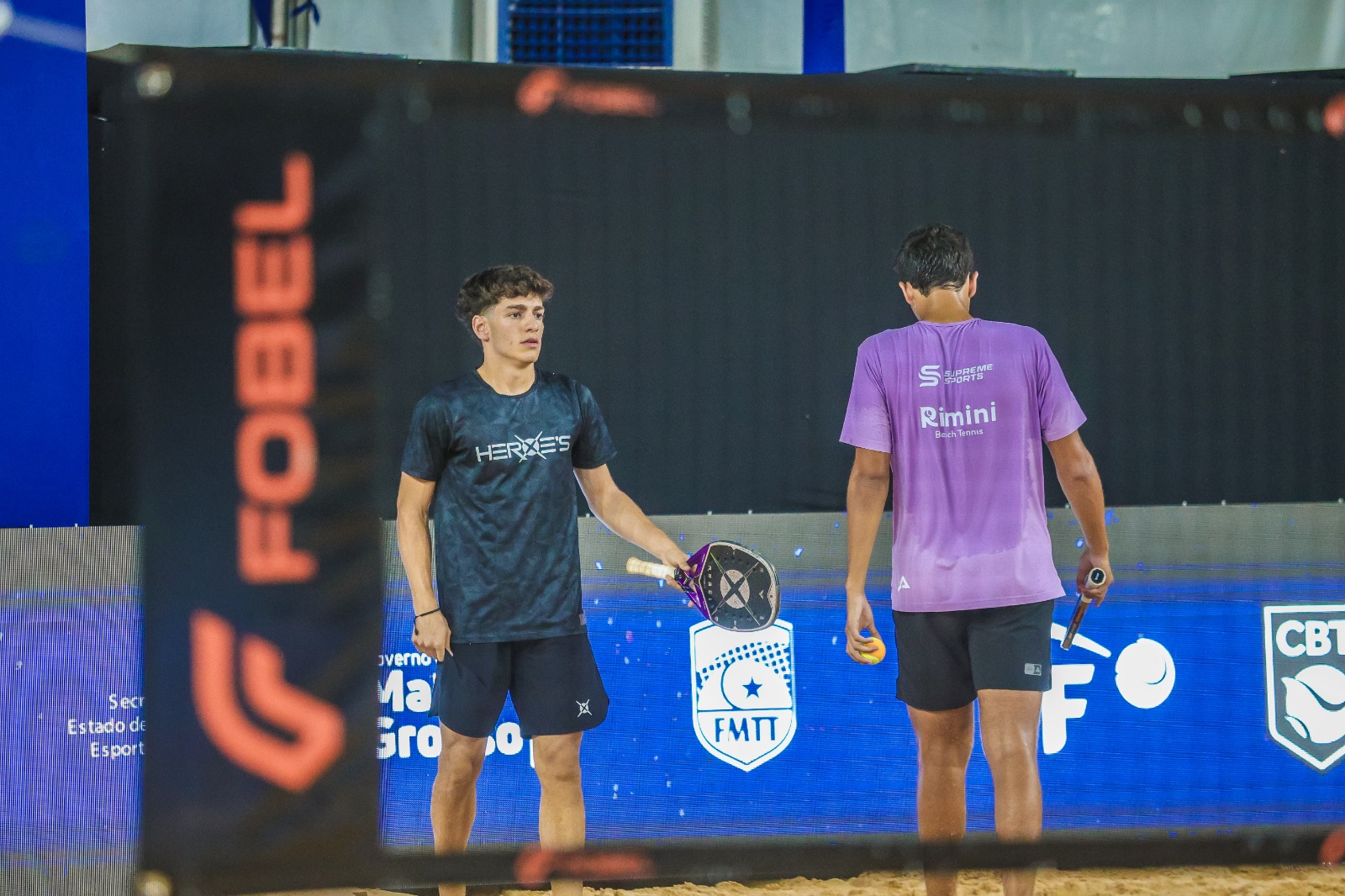
Defining the Future of Sorriso
The success of the second edition of the Sorriso event underscores the city's role as an evolving hub for the sport. By offering a platform that welcomes both international royalty and home-grown talent, the tournament serves a dual purpose: it provides the necessary economic and developmental support to keep local players in the sport while bringing world-class competition to the interior of Brazil.
As the final matches of the week conclude, the focus for participants and organizers alike will shift to the long-term sustainability of this momentum. With consistent support from the Federação Mato-grossense de Tênis and a commitment to maintaining the current prize pools, the Sorriso tournament is positioning itself as a permanent fixture on the professional calendar. For the young players currently finding their footing in the sand, the experience of competing in these brackets is the most valuable currency of all.
Sources
These sources formed the evidence pack for this article. Links open the original publisher; inclusion does not imply endorsement.
- terra.com.br original
- Agda Rocha original
- Assessoria de Imprensa | Gallas Press original
- Marcos Feitosa Silva original
- Tênis News original