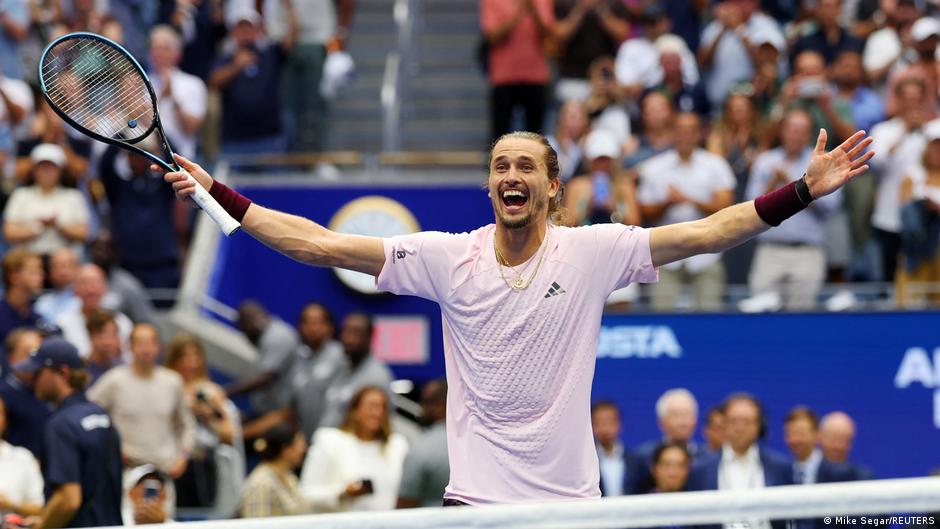
When Alexander Zverev walked into the media room after his opening-round defeat at Wimbledon in early July, the world saw a player grappling with deep isolation. Fresh off a five-set loss to Arthur Rinderknech, the world number three admitted to severe mental exhaustion, confessing that despite his success and popularity, he felt fundamentally alone and struggled to find joy away from the court. It was a stark, vulnerable portrait of a top-tier athlete at a psychological crossroads.
Yet, by the time Zverev arrived in Canada for the ATP Masters tournament, the darkness had lifted. The catalyst for this sudden transformation came not from a sports psychologist or his longtime coach and father, Alexander senior, but via a long voice message waiting for him at the London airport. The sender was Toni Nadal, the 64-year-old architect behind Rafael Nadal's historic career.
The Mallorca Intervention
Out of pure empathy and concern following Zverev's candid Wimbledon press conference, Toni Nadal initiated contact. Despite their years as fierce rivals—most notably when Zverev swept Rafael Nadal out of the French Open in straight sets in 2024—the elder Nadal offered a helping hand. That prompted a 90-minute phone call covering tennis, life, and everything in between, which quickly turned into an invitation to Manacor.
For ten intense days, Zverev based himself at the Rafa Nadal Academy. While he spent time relaxing on a yacht with his girlfriend Sophia, dachshund Buba, and friends including Rafael Nadal, the core of the trip was rigorous labor on the hardcourts. Toni Nadal stood behind the baseline, barking instructions and injecting the exact brand of authoritative confidence that Zverev acknowledged is hard to replicate during quiet sessions with his father.
If he speaks and if Rafa speaks, you listen. Alexander Zverev
Rafael Nadal, retired from the tour for a year, also stepped onto the court to offer tactical observations. Drawing on a decade of playing against the German, the 22-time Grand-Slam champion gave Zverev a unique spectator's perspective on what makes his game lethal and where the hidden vulnerabilities lie.
Tactical Reconfiguration for North America
The timing of the Mallorca reset was engineered specifically for the transition from European grass to the North American hardcourts. Toni Nadal has long diagnosed Zverev's failure to capture a major title as a mental and emotional brake rather than a technical deficiency. By addressing that barrier, the ten-day training block aimed to unlock the aggressive baseline power that carried Zverev to his Roland Garros title earlier in the season and his maiden Wimbledon final appearance.
Now back under the direct supervision of Alexander senior in Montreal, Zverev is implementing those lessons as he heads into a depleted field at the Canadian Masters. With Jannik Sinner taking a cruise, Novak Djokovic traveling to the United States for a football event, and Carlos Alcaraz managing his comeback, the draw sits wide open. But Zverev's focus extends past Canada, eyeing the Cincinnati 1000 event and the ultimate prize awaiting at Flushing Meadows on August 30.
While Zverev flew to North America alone because Toni Nadal is a busy man, conversations regarding a more permanent partnership remain active. Whether or not the alliance becomes formal, the temporary infusion of the Nadal methodology has restored the smile to Zverev's face and refocused his ambitions for the final major stretch of 2026.
Sources
These sources formed the evidence pack for this article. Links open the original publisher; inclusion does not imply endorsement.
- Gerald Kleffmann original
- sport1.de original
- sport.de original