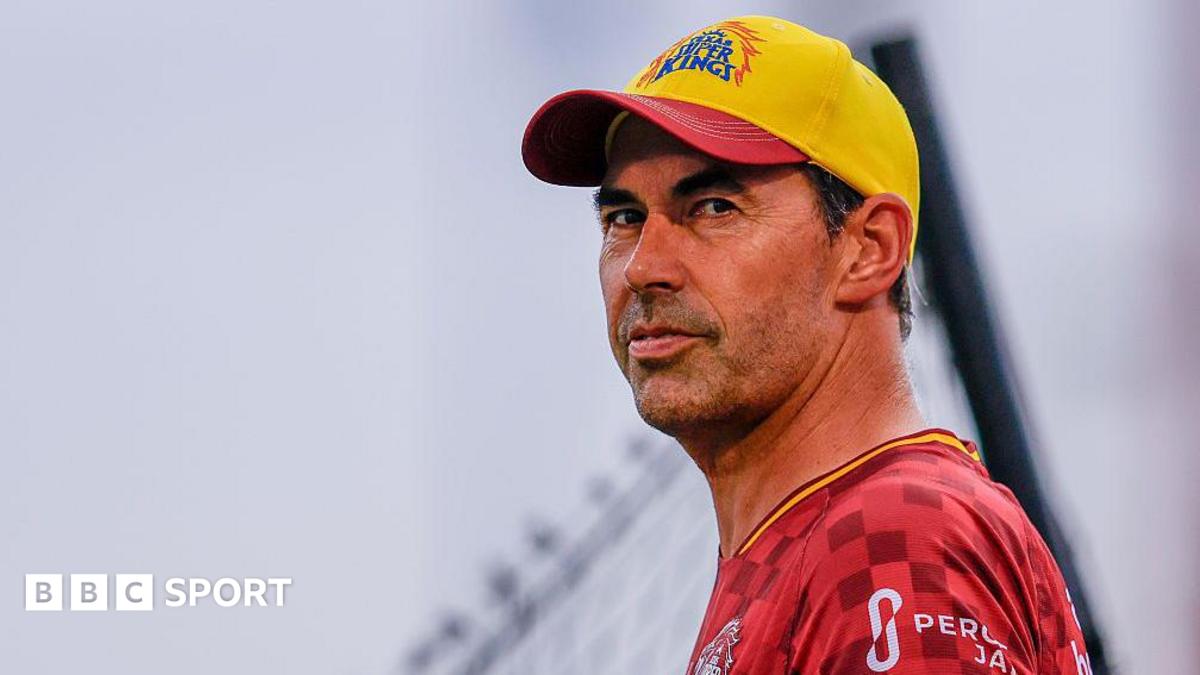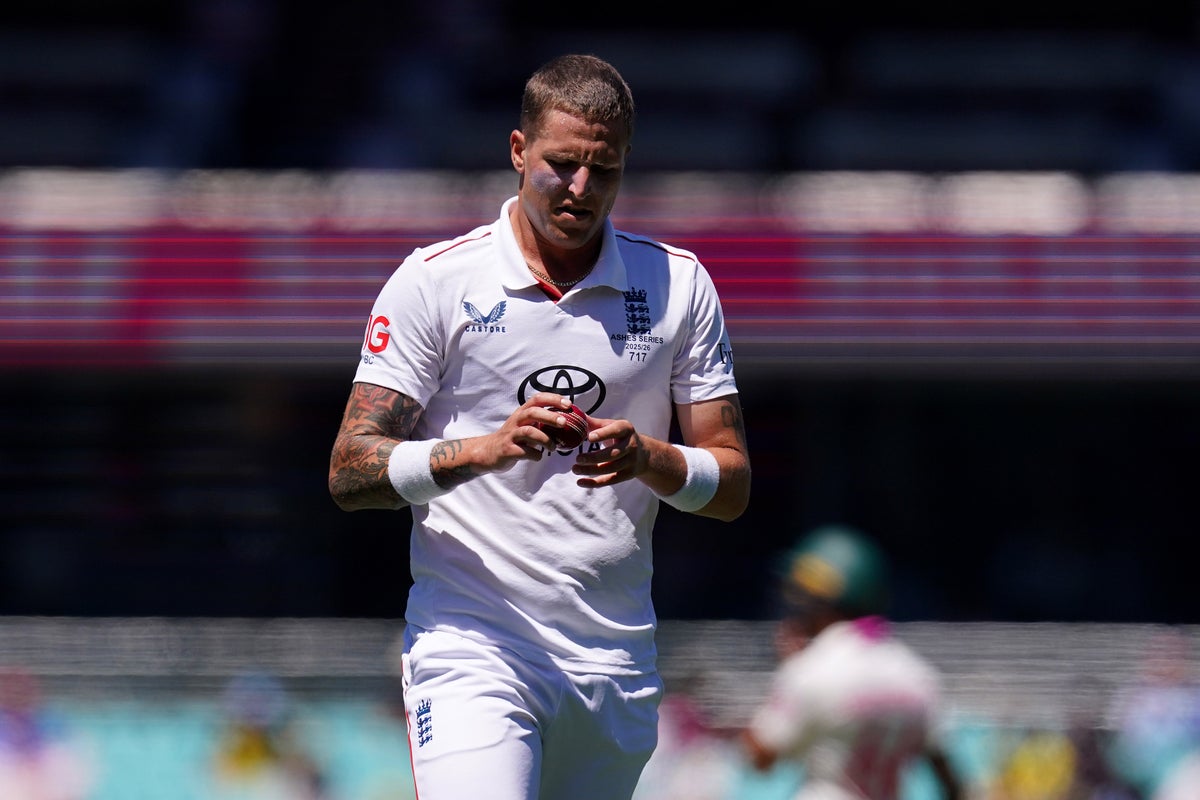
When grainy footage surfaced from Derby showing Durham fast bowler Brydon Carse in handcuffs while former Test captain Ben Stokes strolled past in the background, it marked far more than a localized celebration gone awry. Occurring less than a fortnight after Joe Root re-assumed the Test captaincy and urged his squad to "be adults" by removing post-Ashes curfews, Carse’s release without charge following Durham’s County Championship victory over Derbyshire exposed a persistent institutional vulnerability. It was the third high-profile nightclub incident involving England elite cricketers in just nine months, laying bare an uncomfortable divergence between modern high-performance demands and a sport whose deeply rooted relationship with alcohol continues to resist professionalization.
Three Flashpoints in Nine Months
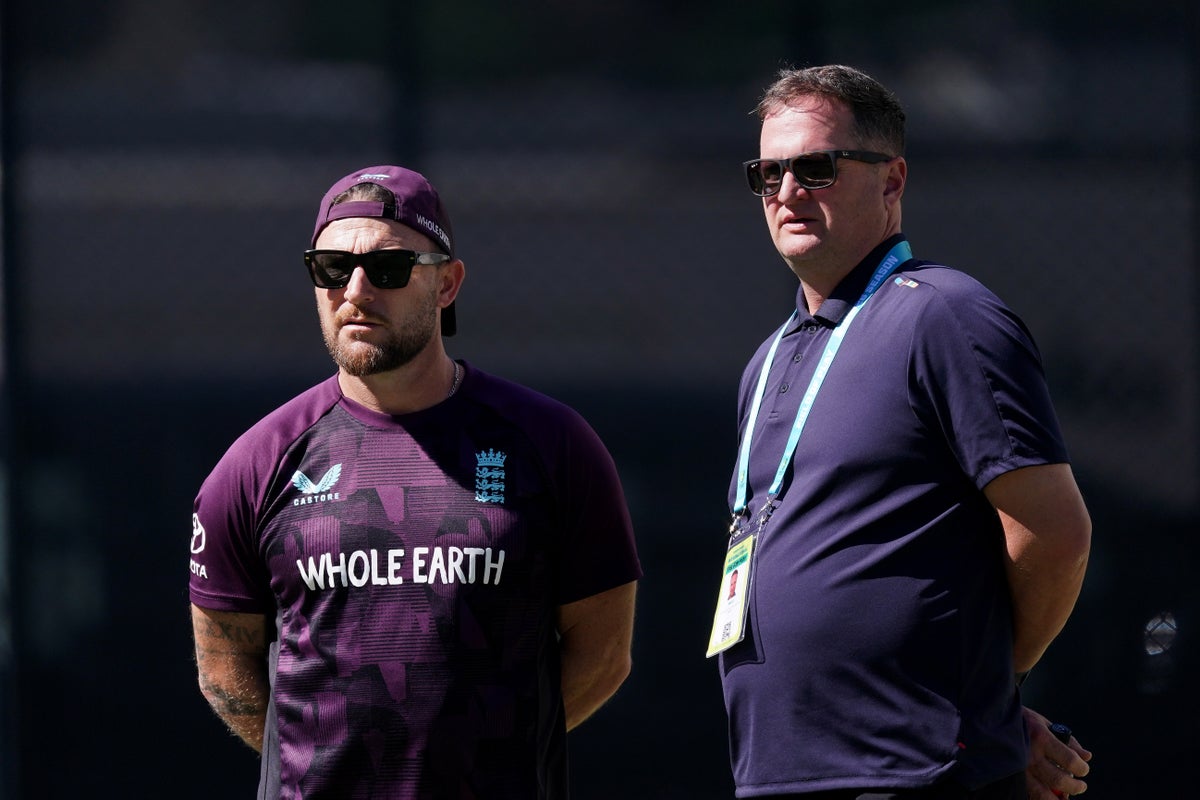
The timeline of off-field infractions paints an unmistakable pattern. The recent sequence began in Wellington, where Harry Brook, Jacob Bethell, and Josh Tongue were involved in a late-night episode during an overseas tour. By June, fast bowler Gus Atkinson and Stokes were caught up in a midnight disruption in Chelsea. Add to that the lingering cloud of mid-Ashes boozing in Noosa, and the narrative surrounding the national side has shifted from isolated missteps to a systemic habit. While Carse’s altercation in Derby occurred while away on county duty rather than official England time, the optics for the England and Wales Cricket Board (ECB) and the Cricket Regulator—both of which have launched formal investigations—could hardly be worse. Internal handlings of prior incidents have already caused divisions within English cricket's leadership, complicating attempts to establish uniform standards.
Root’s Mandate and the Curfew Conundrum
The timing makes the discipline deficit particularly stark. After abandoning the curfew that was initially implemented following the Ashes, Root made a direct appeal to squad maturity. Yet standing six-foot-three in a crowded nightspot makes maintaining a low profile nearly impossible under the modern gaze of social media surveillance. Procedural fixes like curfews have proven to be temporary band-aids rather than cultural cures.
| Incident Window | Key Figures | Context & Location | Governance & Administrative Response |
|---|---|---|---|
| Wellington Tour | Harry Brook, Jacob Bethell, Josh Tongue | Late-night incident on tour | Post-Ashes curfew framework introduced |
| Summer Window | Gus Atkinson, Ben Stokes | Chelsea nightclub incident | Internal review and heightened public scrutiny |
| County Championship | Brydon Carse, Ben Stokes (present) | Derby nightclub after Durham win | Carse handcuffed and released; ECB & Cricket Regulator investigations open |
| Captaincy Transition | Joe Root (Captain) | Curfew scrapped; mandate to "be adults" | Immediate test of player self-regulation |
From Club Pints to Professional Stalls: Stokes on the Sport’s Embedded Habit
Speaking on the For the Love of Cricket podcast, Stokes—who played an all-action role with bat and ball in Durham's win before retiring from Test cricket—rejected the premise that the national squad possesses a unique drinking dysfunction, pointing instead to cricket's foundational environment.
"I think cricket has a drinking culture and that hasn't changed. We are in 2026 now, where the game has gone more professional over the years, and one thing that has just stayed within cricket is its relationship with alcohol. From club cricket it works its way up. It has just stayed there and has been embedded within the sport. For people who think the English cricket team has a drinking culture, I would say no. I would just say cricket has a culture that is associated with alcohol."
Stokes’s diagnosis touches a structural reality recognized across the sport. From open clubhouse bars and post-match pints to alcohol-fuelled initiations, cricket’s social fabric has long been woven around drinking. That environment has repeatedly created friction with inclusion and professional standards. In 2020, Essex captain Tom Westley was forced to publicly apologize after squad member Feroze Khushi, a 21-year-old Muslim player, had beer poured over him during Bob Willis Trophy celebrations on the Lord’s balcony. Lore from earlier eras—such as David Boon’s legendary 52-can flight from Sydney to London—was routinely celebrated as badge-of-honor mythology, while even James Anderson’s Test career concluded with him necking a pint of Guinness on the outfield before cheering supporters.
The Recovery Paradox in Modern Elite Sport
In 2026, the contrast between elite sports science and recreational tradition is glaring. Modern high-performance programs measure every physical effort and calorie, providing athletes with tailored anti-inflammatory protocols immediately post-match to accelerate physical restoration. Sports nutritionists emphasize that alcohol acts as a direct pro-inflammatory toxin, undermining tissue repair at the exact moment recovery is critical. While teetotal elite performers like fast bowler Mark Wood remain exceptions, and Stokes himself abstained from alcohol during 2025 while recovering from a hamstring injury ahead of the Ashes, the broader player pool frequently reverts to drinking during celebratory windows.
The central challenge facing Root, the ECB, and county administrators is not merely managing optics when cameras catch players in public places. The deeper issue is that penalizing individual athletes will continue to yield diminishing returns as long as the wider sport actively normalizes alcohol consumption. Until English cricket systematically detaches its social identity from alcohol from the grassroots level to the international changing room, tactical resets on the pitch will remain vulnerable to preventable stumbles off it.
Sources
These sources formed the evidence pack for this article. Links open the original publisher; inclusion does not imply endorsement.
- apps.apple.com original
- independent.co.uk original
- bbc.co.uk original