When Everton Weekes first watched a 12-year-old Garfield Sobers growing up in Barbados, the foundations of an unmatchable life force were already taking root. By the time Sobers joined the West Indies dressing room as a 17-year-old youngster, the internal pressure was immense, yet the tactical brilliance was self-taught. As Weekes observed, nobody needed to teach him; he simply started making runs, taking wickets, and holding catches to quiet his nerves.
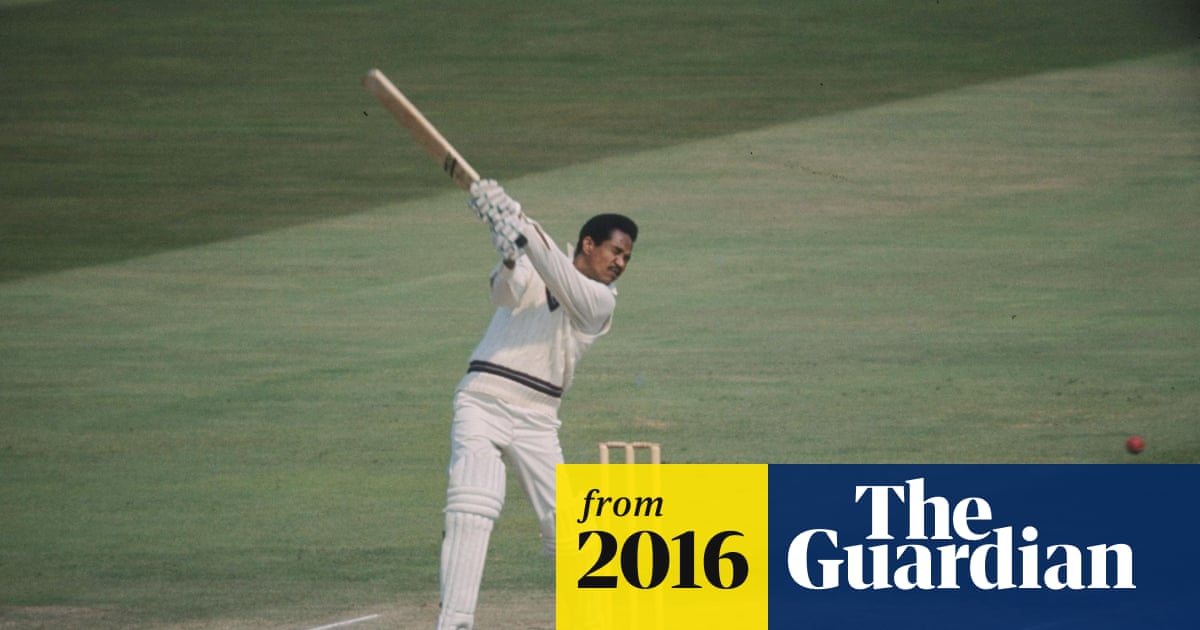
That rare convergence of art and ruthless athleticism defined a 20-year international career for the West Indies between 1954 and 1974. Sobers was not merely a dominant run-scorer; he was a complete cricketer who bowled fast-medium, orthodox left-arm spin, and chinamen, while fielding with quick-silver agility close to the wicket. Alan Davidson recalled the psychological toll Sobers inflicted on opposition attacks during the 1960–61 series, noting that when Sobers was in form and bisected the field in Brisbane for a century, bowlers simply gave up because he could dismantle any strategy.
The Nottinghamshire Revolution and County Dominance
When Nottinghamshire signed Sobers for the 1968 county season, the move shocked the cricket world. At Trent Bridge, a club languishing at the foot of the County Championship, the arrival of Sobers was equivalent to a modern football powerhouse announcing a seismic, generational signing. The impact was immediate and transformative.
Sobers lifted Nottinghamshire from fifteenth to fourth place in the Championship during his debut campaign, contributing 1,590 runs, 25 catches, and 84 wickets. Over six years at Trent Bridge, his numbers forged a legend:
- Total Runs: More than 7,000 runs
- Centuries: 18 hundreds at an average of 48.89
- Wickets: 281 wickets at 25.62
- Bowling Feats: 9 five-wicket hauls and a best of 7–69 against Kent at Dover
Beyond the statistics, Sobers established Caribbean connections at Trent Bridge that paved the way for generations of players. Yet his competitive fire remained unmatched, whether he was hitting six sixes in an over or casually baffling opponents with psychological insight.
Reclaiming Visual Mythology at Lord's
While Sobers mastered every facet of the sport on the field, his image also came to represent a wider cultural shift off it. At Lord's Cricket Ground—the self-styled Home of Cricket managed by the Marylebone Cricket Club—the institutional walls long reflected a selective memory of the British Empire. For decades, the Long Room, staircases, and pavilion displayed portraits dominated by old white men and traditional colonial aesthetics.
Amid that historical monolith, exceptions emerged. The late Sarah Raphael painted a striking, Lucian Freud-esque portrait of Sobers in 1992, capturing the Barbadian all-rounder with an intense, brooding gaze. By 2005, as global cricket power centers diversified toward India and the wider world, the MCC launched The Lord's Portrait Project to rebalance its visual archive. Curators commissioned new works of international Black and brown legends to hang alongside the traditional artifacts.
The portrait roster expanded to include:
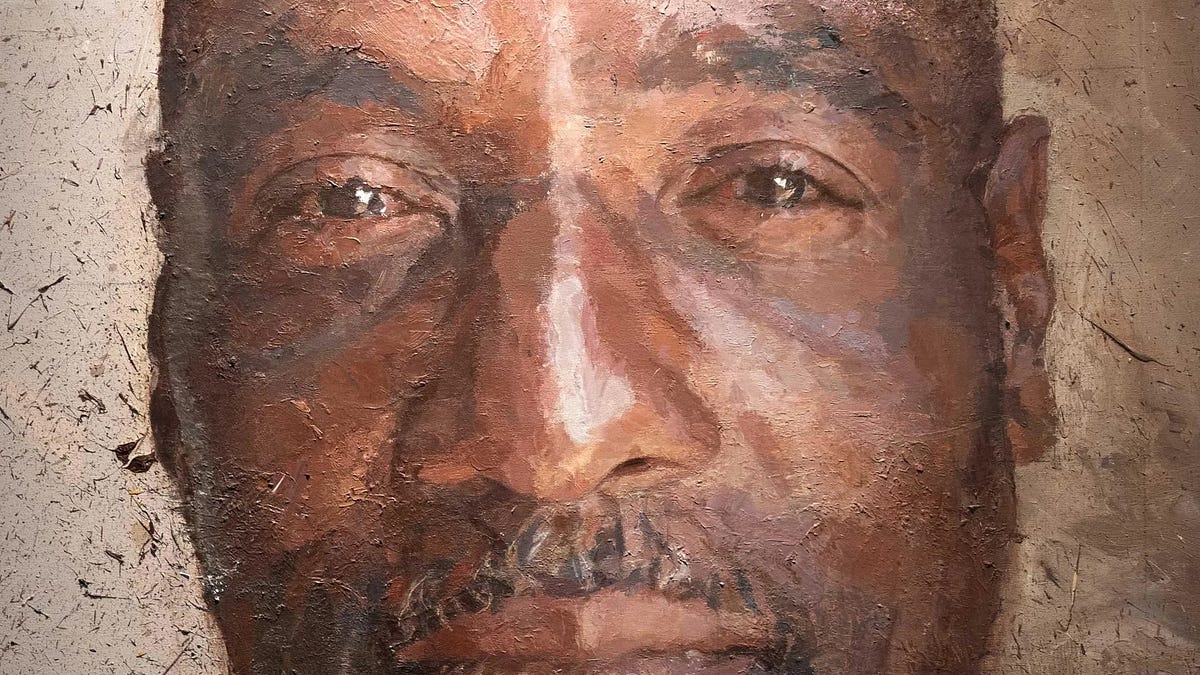
- Garfield Sobers by Sarah Raphael
- Brian Lara by Justin Mortimer (depicted shirtless, emphasizing identity over mere sporting feats)
- Viv Richards by Brendan Kelly (capturing unflinching, helmetless defiance)
- Kapil Dev and Dilip Vengsarkar by Stuart Pearson Wright
- Muttiah Muralitharan by Phil Hale
- Charlotte Edwards by Hero Johnson (marking a vital step forward in representation)
These artistic interpretations challenged the po-faced, insiderish tendencies of the venue. As artists pushed briefs in bolder directions, works like Justin Mortimer's red-hued painting of Brian Lara or Brendan Kelly's confrontational portrait of Viv Richards reframed the game's visual mythology.
The Enduring Philosophy of a Genius
In later years, reflecting on the modern game from the launch of the Sir Garry Sobers Foundation—which aims to raise £50 million to support junior cricket hubs across the UK, West Indies, India, Australia, and South Africa—Sobers expressed both wonder and caution.
Watching England play a belligerent brand of cricket under Ben Stokes and Brendon McCullum, Sobers admitted, I can't believe what I was seeing in the Tests. Flashing bats and people trying to hit fours and sixes every ball. It's good from the spectator's point of view – rather than dull and boring cricket, pushing it back down the wicket. I do worry about the technical side of the game, though, that it's suffering.
Sir Garry Sobers
That tension between audacious flair and technical mastery encapsulates his entire ethos. Whether splitting fields in Brisbane, driving a 1-iron onto a downhill par-four golf green in Melbourne, or having his likeness immortalized in oils at Lord's, Garry Sobers operated in a realm where art and sport were indistinguishable.
Sources
These sources formed the evidence pack for this article. Links open the original publisher; inclusion does not imply endorsement.
- thecricketmonthly.com original
- Michael Delgado original
- Sean Jacobs original
- thecricketer.com original
- trentbridge.co.uk original
- Huw Richards original