There is a striking dissonance in seeing world-class climbers tackling high-intensity boulder problems at the Circuit de Barcelona-Catalunya. Instead of the silent, granite walls of a natural crag or the controlled environment of a specialized indoor gym, the athletes at the GRAVITEO Urban Sports Festival are operating in a theater of speed and engines.
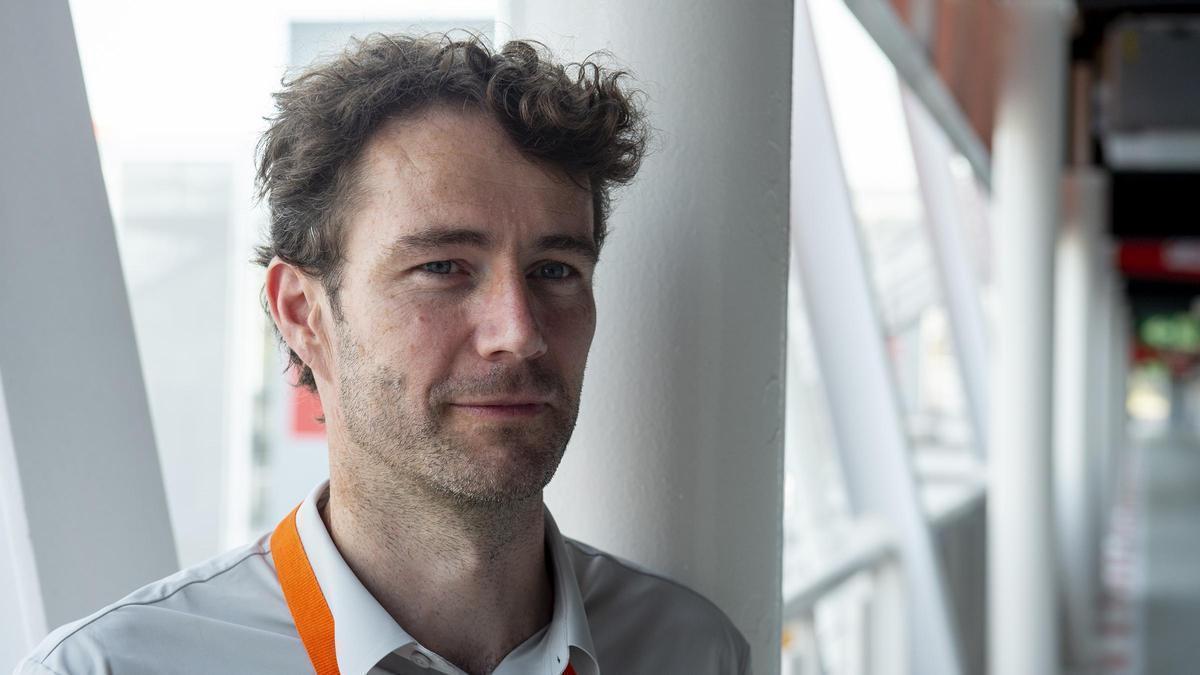
For Tijl Smitz, President of World Climbing Europe, this isn't just a change of scenery; it is a symbol of a sport undergoing a massive professional metamorphosis. Speaking during the World Climbing Championship Boulder semifinals and finals, Smitz made it clear: the era of climbing as a peripheral activity is over.
The Olympic Catalyst
The trajectory of competitive climbing has been fundamentally rewritten by its inclusion in the Olympic Games. Smitz notes that the sport has had to navigate a complex technical evolution to meet the demands of the world's biggest stage. The transition from the combined disciplines seen in Tokyo to the distinct separation of boulder, speed, and lead is a pivotal shift.
“The inclusion in the Olympic Games has changed a lot our sport,” Smitz observed. “First because we have made a professional evolution. We had to work with three disciplines together in the Tokyo combination. Then there was boulder and speed separately. And now we have for Los Angeles the three different disciplines.”
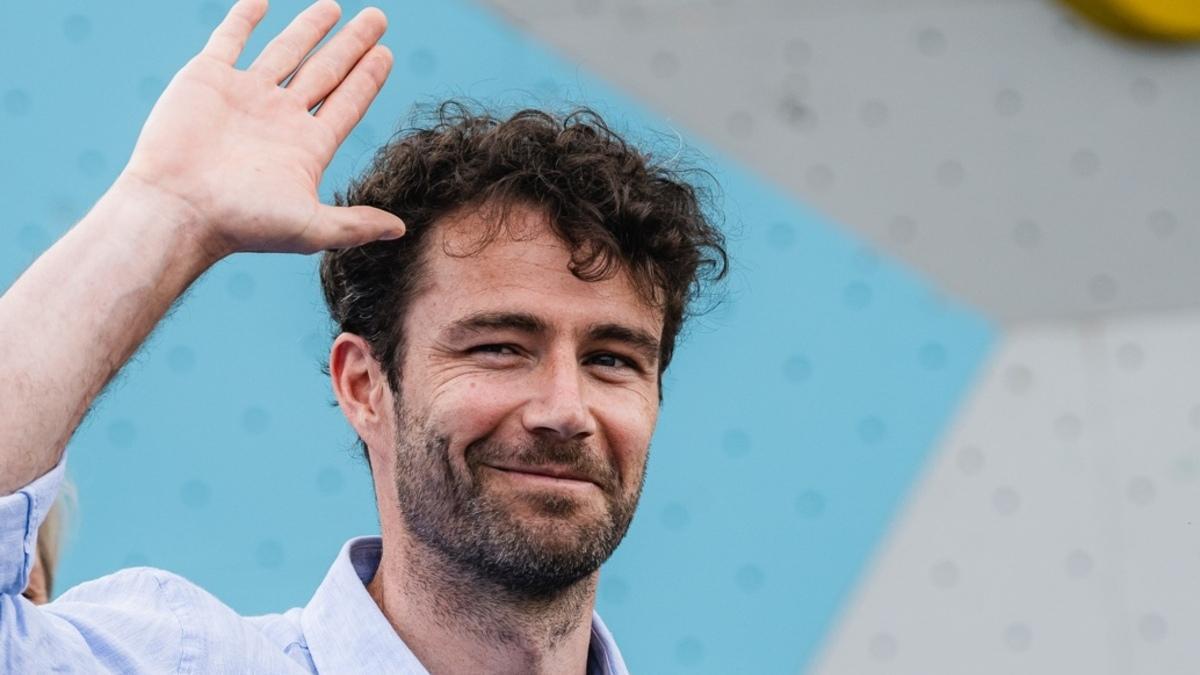
This specialization is exactly what the sport’s leadership has been aiming for. Smitz describes the move toward three separate disciplines for the Los Angeles 2028 games as something the community has “always dreamed of,” providing a platform to showcase the sport in its truest, most specialized forms.
Visibility Through Urbanization
If the Olympics provide the prestige, events like GRAVITEO provide the oxygen for growth. By embedding the World Climbing Championship within a multi-sport urban festival, organizers are tapping into a broader demographic that might never step foot in a traditional climbing gym.
“The GRAVITEO event is a multi-sport event. There are many different sports that attract the public, and in that way, there are more people who get to know our sport, which is climbing,” Smitz explained. He emphasized the psychological impact of this visibility: “It is great to be able to count on so many people who discover, who get motivated, who get inspired.”
This strategy of “accessibility and versatility” is a core pillar of the sport's current expansion. Smitz argues that climbing's ability to offer unique challenges regardless of age or skill level makes it uniquely inclusive, a trait that is being bolstered by the increasing density of climbing gyms across Europe.
The Spanish Powerhouse
While the sport grows globally, the epicenter of European talent is increasingly shifting toward Spain. Smitz was quick to acknowledge the deep roots and the high ceiling of Spanish climbing. He pointed to a lineage of excellence that includes names like Patxi Usobiaga and Ramonet, but he is equally focused on the immediate present.
“Spain has had many very well-known names... and now surely the first Olympic champion too, Alberto (Gineés) who has won his first gold medal last week also,” Smitz noted, highlighting the momentum currently driving the Spanish national program.
This talent pipeline is being reinforced by a surge in domestic competition, which Smitz believes is creating the perfect environment for the next generation of Spanish climbers to pursue professional careers.
The Roadmap to Los Angeles 2028
As the focus shifts toward the 2028 Los Angeles cycle, the challenges are as much about technical standards as they are about social impact. Smitz identified two critical pillars for the next quadrennial:
- Professional Excellence: Aiming to elevate continental competitions to a level of excellence comparable to the World Cups, ensuring athletes can build sustainable, long-term careers.
- Inclusivity and Para-climbing: The introduction of para-climbing to the Paralympic Games represents a major milestone. Smitz views this as a profound demonstration of the sport's inclusive nature.
The transition from the specialized, high-octane atmosphere of the Circuit de Barcelona-Catalunya to the global stage in Los Angeles marks the next chapter in a sport that is no longer just climbing walls, but climbing the global sporting hierarchy.
Sources
These sources formed the evidence pack for this article. Links open the original publisher; inclusion does not imply endorsement.
- Cristina Moreno | Laura Campuzano original
- Cristina Moreno | Laura Campuzano original
- Cristina Moreno | Laura Campuzano original
- sport.es original
- elcorreogallego.es original
- Cristina Moreno | Laura Campuzano original
- Cristina Moreno | Laura Campuzano original