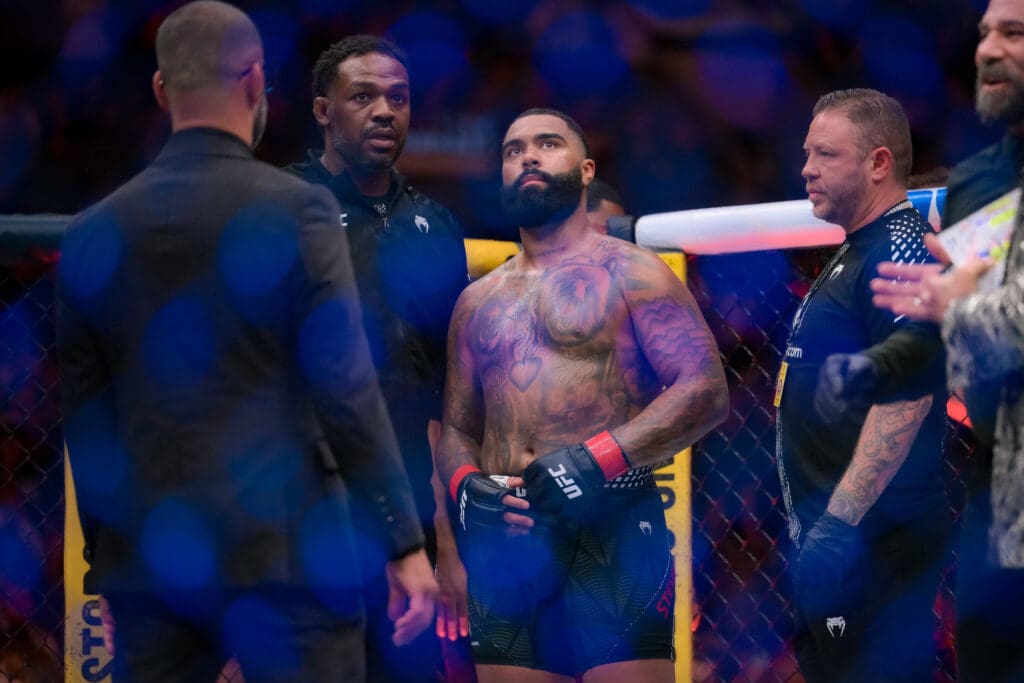
In the evolving landscape of European social integration and sport, human stories frequently transcend standard athletic competition. Whether examining the harsh realities faced by young asylum seekers navigating a clandestine existence or analyzing how comprehensive recreational hubs operate, the thread connecting these experiences is the fundamental human desire to establish routine, community, and dignity.
In Paris, the contrast between institutional policy and daily survival has long defined the refugee experience. Documented accounts from 2010 highlight nearly 500 Afghan asylum seekers—predominantly young men and minors—living in precarious refugee camps across the French capital. Facing a hardening state stance on political refugees, groups such as la Cantine Afghane emerged to bridge the divide. Co-run by French citizens and Afghan asylum seekers, the non-profit utilized food and cultural events in local restaurants to advance a simple motto: Share a meal, change perspectives. As documented in visual projects, these initiatives provide a human face to individuals who simply want to “taste life” amidst a media frenzy.
Parallel challenges regarding social architecture and connection appear in local community structures. In Belgium, the ASBL HAMAC, established in 2018 by Laure Gréban and Julie Praet, addresses the isolation inherent in solo parenting. By pairing single-parent families with volunteer companions from the same neighborhood for structured, weekly two-hour engagements, the organization creates stabilizing environments for children outside traditional schooling or babysitting frameworks. The emphasis on consistency—meeting at the same time each week—mirrors the structural necessities often sought by displaced or transitionary populations trying to anchor themselves in unfamiliar surroundings.
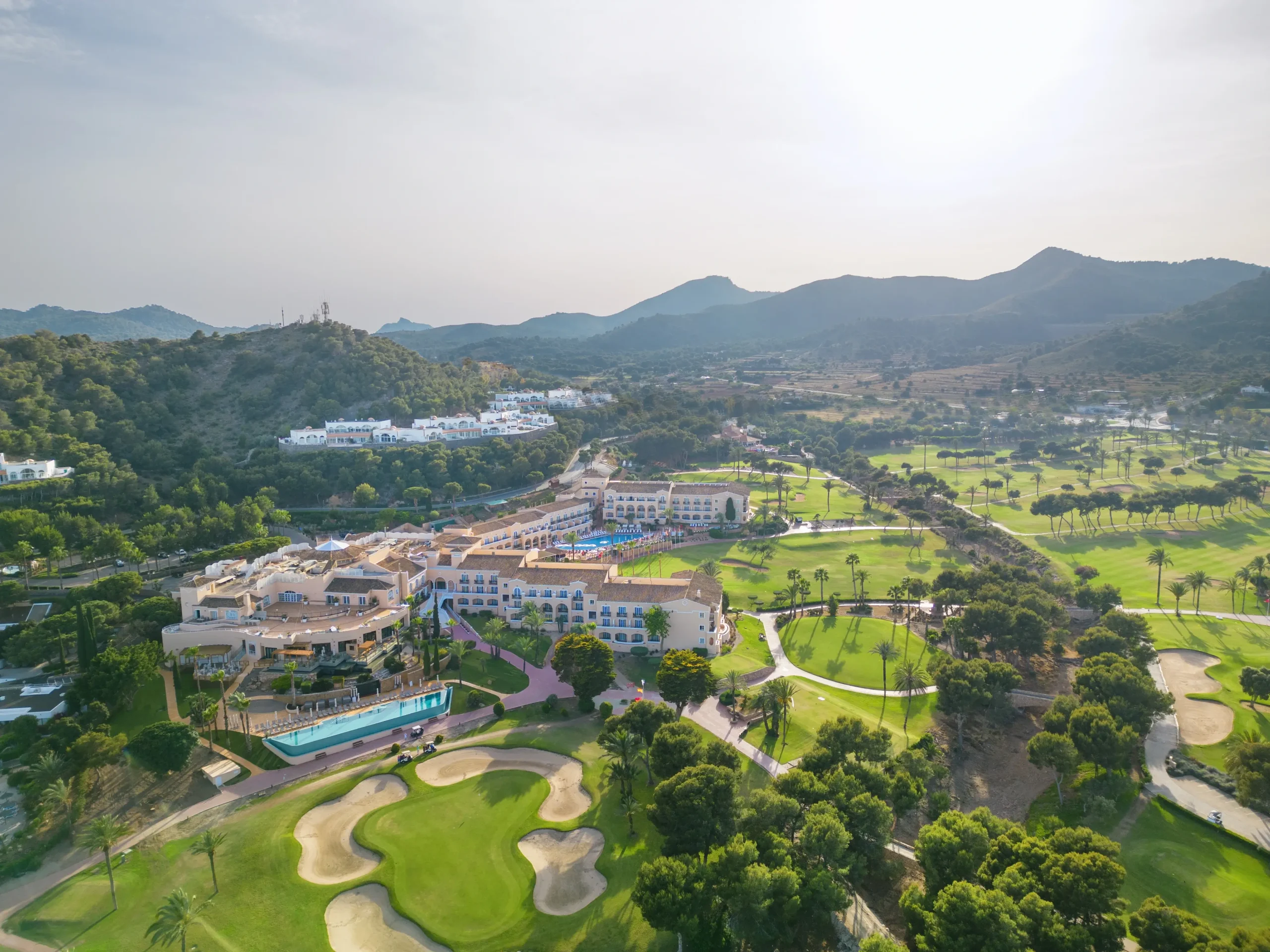
Meanwhile, institutional sport operates on an entirely different economic and infrastructural scale. Destinations like the Grand Hyatt La Manga Club Golf & Spa in the Murcia region of Spain utilize expansive footprints—spanning six square kilometers across the Calblanque natural park—to market elite physical recreation. Featuring three 18-hole golf courses, a 26-court tennis racquets club, padel courts, and specialized youth football and golf academies tailored for participants aged 6 to 16, such complexes represent the commercial apex of European leisure tourism.
The juxtaposition between high-end athletic resorts and the informal cultural spaces forged by asylum seekers underscores a broader sociological truth: sport and recreation function simultaneously as luxury commodities and vital instruments of social cohesion. While tourists access five-star amenities under the Mediterranean sun, marginalized communities rely on shared meals, localized mentorship, and mutual solidarity to carve out a sustainable place in society.
Sources
These sources formed the evidence pack for this article. Links open the original publisher; inclusion does not imply endorsement.
- lamangaclub.com original
- hamacasbl.be original
- genevaguerin.com original