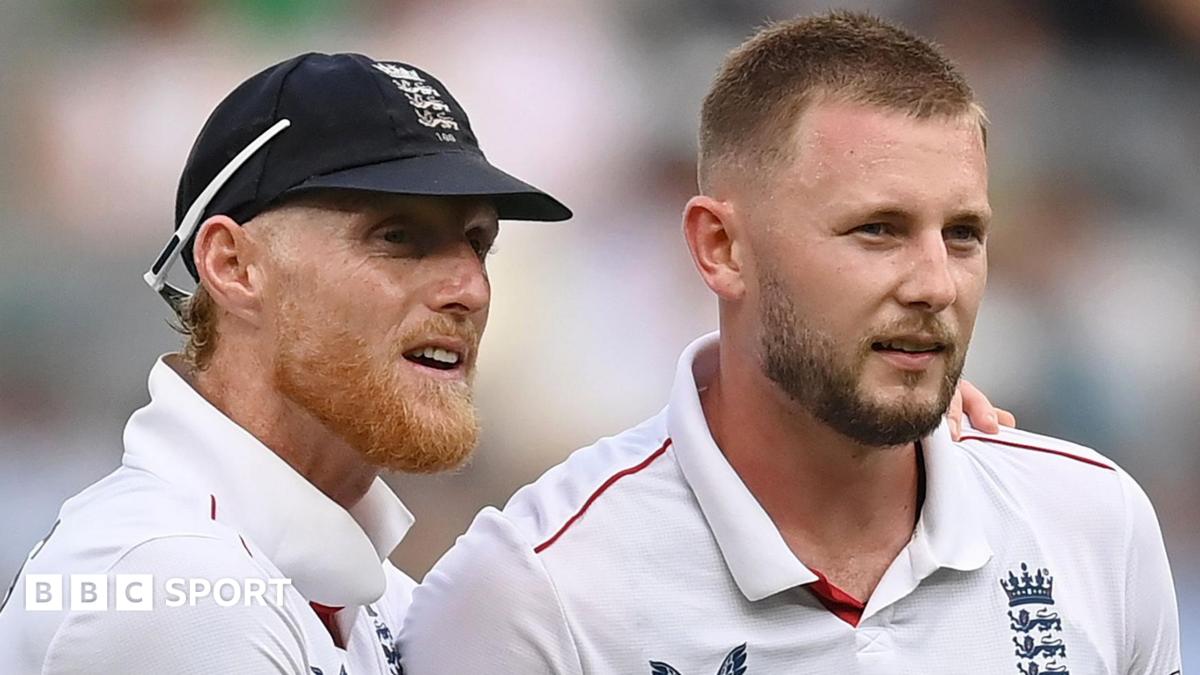
An investigation by the England and Wales Cricket Board (ECB) and a separate inquiry by the Cricket Regulator have cleared captain Ben Stokes and pace bowler Gus Atkinson of violent conduct following a London nightclub incident, issuing written warnings to both players solely for a team curfew breach. The rulings bring formal resolution to a fortnight of disruption that saw both players stashed on the sidelines during England's second Test defeat against New Zealand—a match in which an overhauled, inexperienced side made five changes and fell soundly.
The incident occurred two weeks ago during celebrations following England's victory in the first Test. A member of England's security staff was left bloodied and required medical attention after being struck by Saracens rugby player Totoa Auvaa. However, evidence presented to governing bodies completely exonerated the two cricketers from any physical wrongdoing.
According to official findings released by the ECB, Stokes was not involved in the altercation and did not witness either incident.
Furthermore, The evidence the ECB has seen demonstrates that Atkinson was the victim of unprovoked attacks and did not retaliate on either occasion.
Consequently, the board affirmed that No blame should be attached to the players for violent conduct at the nightclub,
while the Cricket Regulator separately concluded there was no case to answer due to insufficient evidence.
The disciplinary penalty was instead confined strictly to contractual standards and curfew adherence. The ECB disciplinary hearing found that both Stokes and Atkinson had breached specific contractual obligations that require England players to at all times maintain the highest standards of conduct and act in the best interests of England cricket.
Both received written warnings, with no further sanctions added beyond their enforced omission from the second Test.
The midnight curfew itself had been introduced after England's dismal 4-1 Ashes loss in the winter, though its enforcement had suffered from internal miscommunication. Director of cricket Rob Key revealed that Atkinson was unaware the curfew was active following the first Test win, while head coach Brendon McCullum stressed the imperative to eliminate ambiguity around operational standards when representing the country.
Squad Reconstruction and Strategic Return
With their disciplinary process concluded, both Stokes and Atkinson return to England's 15-man squad for the decisive third Test against New Zealand at Trent Bridge, with Stokes restored as captain. The selection panel has also recalled seamer Ollie Robinson following his recovery from a knee injury, alongside wicketkeeper Jamie Smith, who returns from paternity leave. Second Test debutants Sonny Baker and James Rew have been left out.
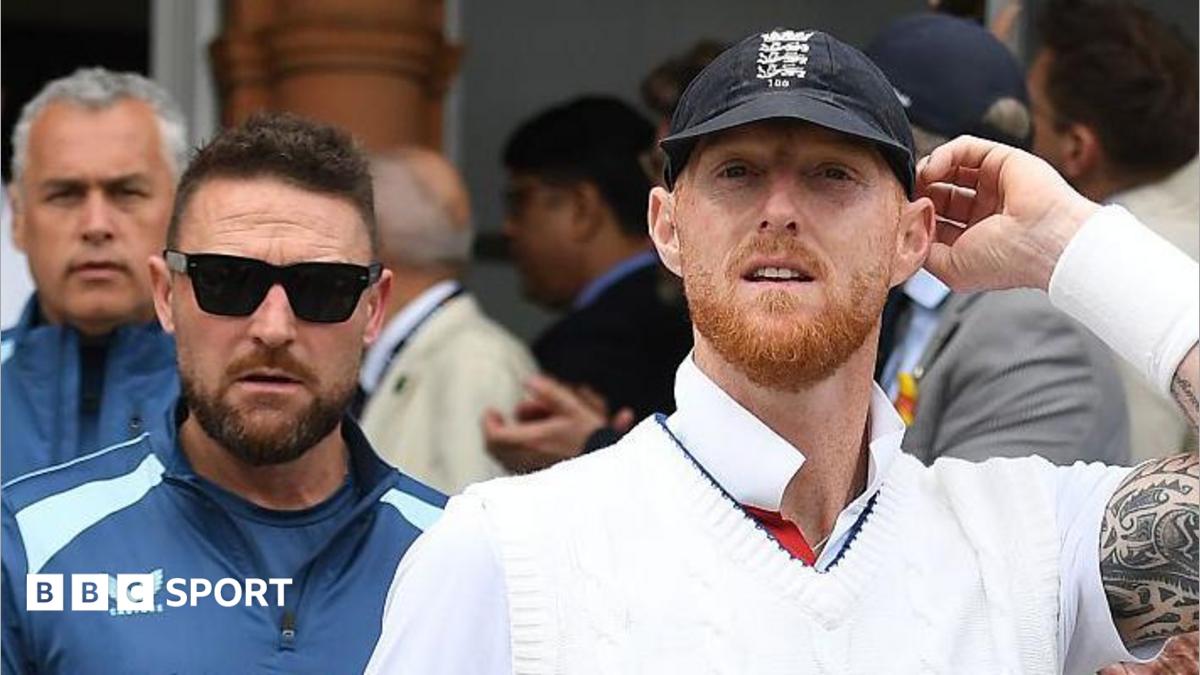
England Squad for the Third Test at Trent Bridge
- Captain: Ben Stokes
- Top-Order & Middle-Order Batters: Jacob Bethell, Harry Brook, Jordan Cox, Ben Duckett, Emilio Gay, Joe Root
- Wicketkeeper: Jamie Smith
- Pace Bowlers: Jofra Archer, Gus Atkinson, Matthew Fisher, Ollie Robinson, Josh Tongue
- Spinners: Rehan Ahmed, Shoaib Bashir
The return of Stokes also restores focus to his relationship with McCullum. Despite previous media scrutiny regarding leadership alignment during the Ashes, McCullum re-emphasized their four-year working relationship, citing robust ongoing dialogue and a shared vision heading into the series decider.
Evidence-Led Forecast: Trent Bridge Series Decider
Tactical Pattern: With Stokes back to anchor the team balance and Atkinson paired with a fit Ollie Robinson, England will return to a seasoned seam structure suited for Trent Bridge conditions. Jamie Smith's return behind the stumps restores vital lower-middle-order solidity that was absent during the second Test loss.
Decisive Matchup: England's refreshed pace engine—led by Atkinson, Archer, and Robinson—against New Zealand's top order. Generating early movement with the new ball will be critical to breaking New Zealand's top-order composure and preventing a repeat of their second Test dominance.
Strongest Counter-Case: Squad chemistry could face immediate pressure if England suffer an early top-order collapse. Having undergone five changes in the previous Test, any early stumbles could re-open lingering tactical vulnerabilities under pressure.
What Would Change the Read: Any workload limitations on Stokes' bowling capability or lingering fitness management regarding Robinson's knee would force England to lean heavily on additional pace options in Josh Tongue and Matthew Fisher, altering seam rotation strategies throughout the match.
Sources
These sources formed the evidence pack for this article. Links open the original publisher; inclusion does not imply endorsement.
- bbc.co.uk original
- tribune.com.pk original
- independent.co.uk original
- mirror.co.uk original