
Scores, fixtures and picks
These are current fixtures from the same sport, shown as a separate live companion rather than evidence for the article. Live status and scores come from the normalized SportyPulses data feed; predictions are reader picks, not betting advice.
The European Commission has laid down its sharpest marker yet in the standoff over Russian athletes in European sport. President Ursula von der Leyen announced Monday that the EU's 22nd sanctions package will propose banning Russian teams and individuals from competing under their flag at any event held inside the bloc, stripping Russian symbols from stadiums, cutting financial flows from Russian sponsors to European federations, and barring Russian nationals from leadership posts in those bodies.
"Sports events cannot be a forum for propaganda activities," von der Leyen said, framing the move as a defense against the Kremlin's use of athletic success as soft power. The proposal lands at a moment when international federations, led by the IOC's July decision to provisionally lift the Russian Olympic Committee's suspension, have been quietly reopening the door to Russian colors and anthems.
The friction is most acute in ice hockey. The Court of Arbitration for Sport ruled this autumn that the International Ice Hockey Federation lacked grounds to exclude Russia from the 2026 men's world championship in Germany. That decision triggered a cascade of national defiance: Finland, the defending champion, declared it would not play Russia. Sweden and the Czech Republic moved to block visas for Russian athletes at January's Nordic ski and junior hockey championships respectively. Germany, the host, ruled out a visa ban in favor of a diplomatic solution, but its ice hockey federation chief Frank Lutz was blunt: "We reject the return of Russian national teams to international ice hockey tournaments." Six European nations have threatened to boycott the May tournament if Russia takes the ice.
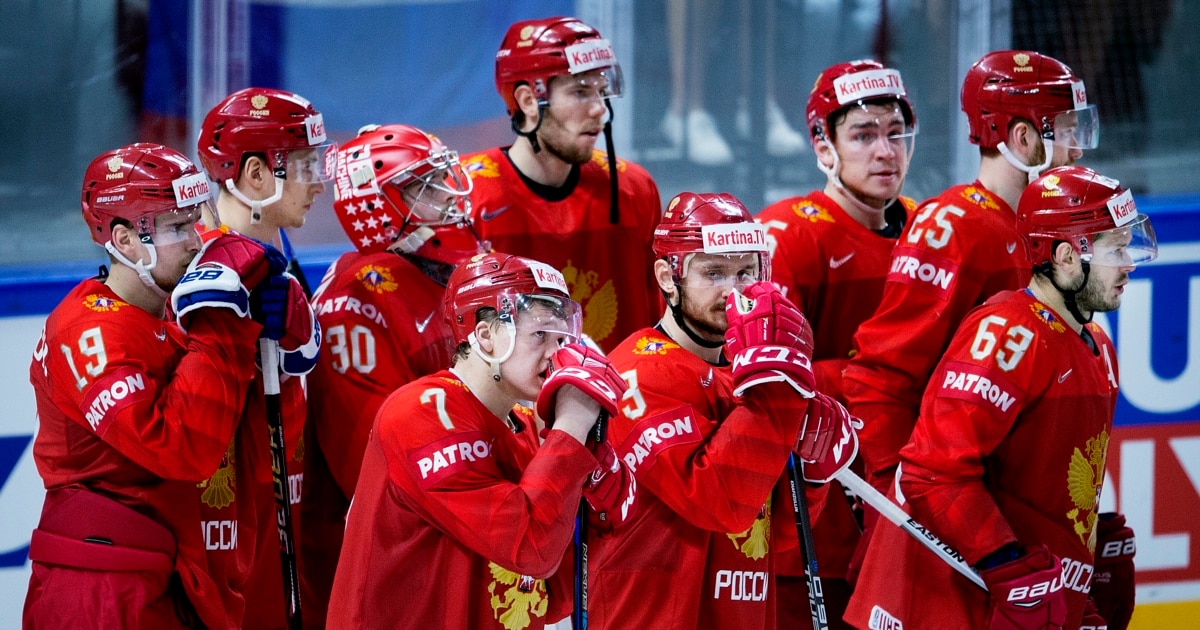
The Commission's proposal aims to replace this patchwork of national bans with a single legal framework. As RFE/RL's Rikard Jozwiak reported, several EU members asked Brussels for exactly that — a robust instrument that would protect them from losing future hosting rights for keeping Russian teams out. The package also extends beyond sport: roughly 60 Russian banks face removal from SWIFT, energy-service restrictions tighten, crypto platforms and the shadow oil fleet draw new sanctions, and the EU considers stretching sectoral economic measures to three-year cycles to reduce renewal vetoes.
Yet the sports provisions face a gauntlet. They require unanimous approval from member states before Christmas. Hungary and Slovakia have previously slowed sanctions consensus. Even if adopted, the ban's enforceability against international federations' rules — and its compatibility with the Olympic Charter's non-discrimination principles — will almost certainly be tested in court. The IOC maintains that athletes' participation "should not be limited by the involvement of their government in a war or conflict."

For now, the proposal sharpens the stakes for Germany's tournament organizers. If the EU ban becomes law before May, the IIHF must either defy Brussels, exclude Russia, or watch a fragmented championship unfold. The Commission has bet that legal clarity outweighs diplomatic comfort. The next six months will reveal whether the bloc's unity holds.
Sources
These sources formed the evidence pack for this article. Links open the original publisher; inclusion does not imply endorsement.
- rferl.org original
- bgnes.com original
- yahoo.com original
- informat.ro original


