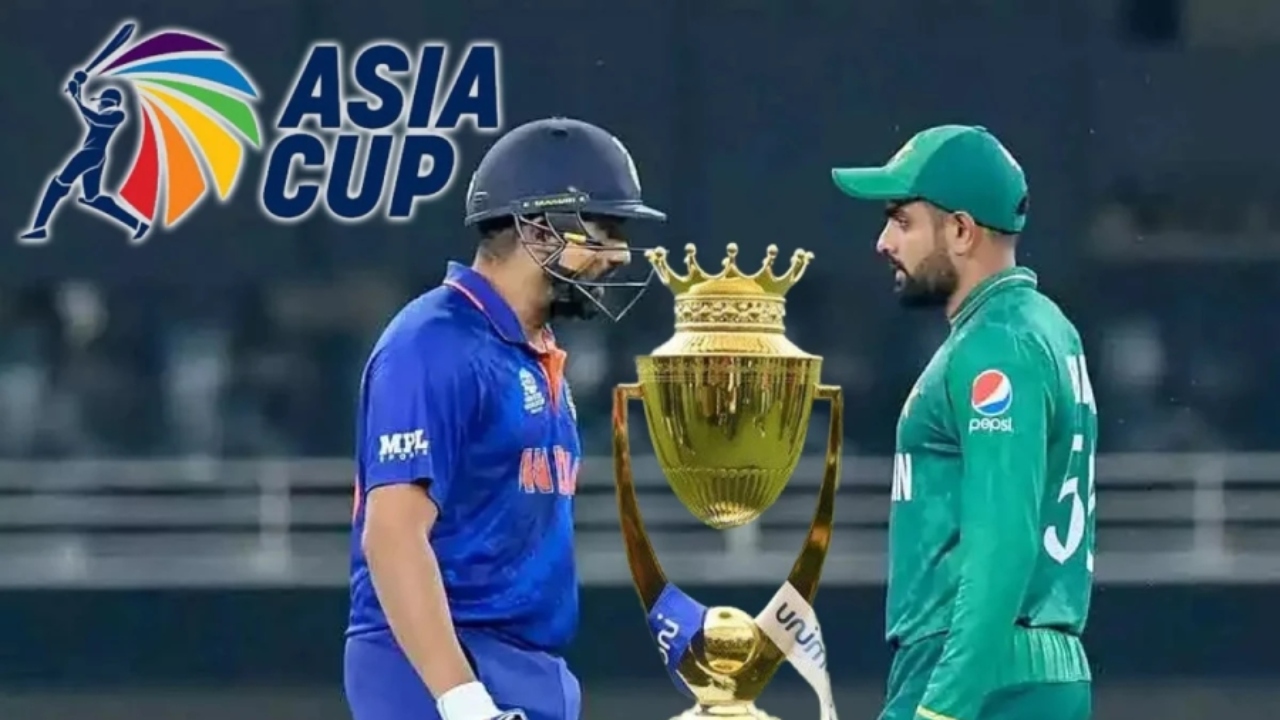
When the final ball landed at the Dubai International Cricket Stadium to seal India’s Asia Cup triumph over arch-rivals Pakistan, the traditional coronation script was abruptly torn up. Instead of fireworks illuminating a captain lifting metal overhead, Indian skipper Suryakumar Yadav stepped onto the stage and mimicked former captain Rohit Sharma’s iconic trophy walk—with completely empty hands.
The gesture was neither an accident nor a lighthearted oversight. India had officially emerged as Asia Cup champions on the field, but inside the presentation area, the team executed a calculated and unanimous stand: they refused to accept the winner’s trophy from Asian Cricket Council (ACC) Chairman Mohsin Naqvi, who also serves as the Pakistan Cricket Board (PCB) Chief and Pakistan’s Interior Minister.
An Unprecedented Podium Refusal in Dubai
Behind closed doors ahead of the ceremony, the Indian camp made its boundary unmistakably clear to tournament organizers: they were prepared to receive the trophy from any designated official on site—with the sole exception of Naqvi. When no alternative presenter was provided, the squad chose to walk away from the physical trophy entirely.
Speaking to reporters in the post-match press conference, Suryakumar Yadav addressed the team's deliberate stance without ambiguity.
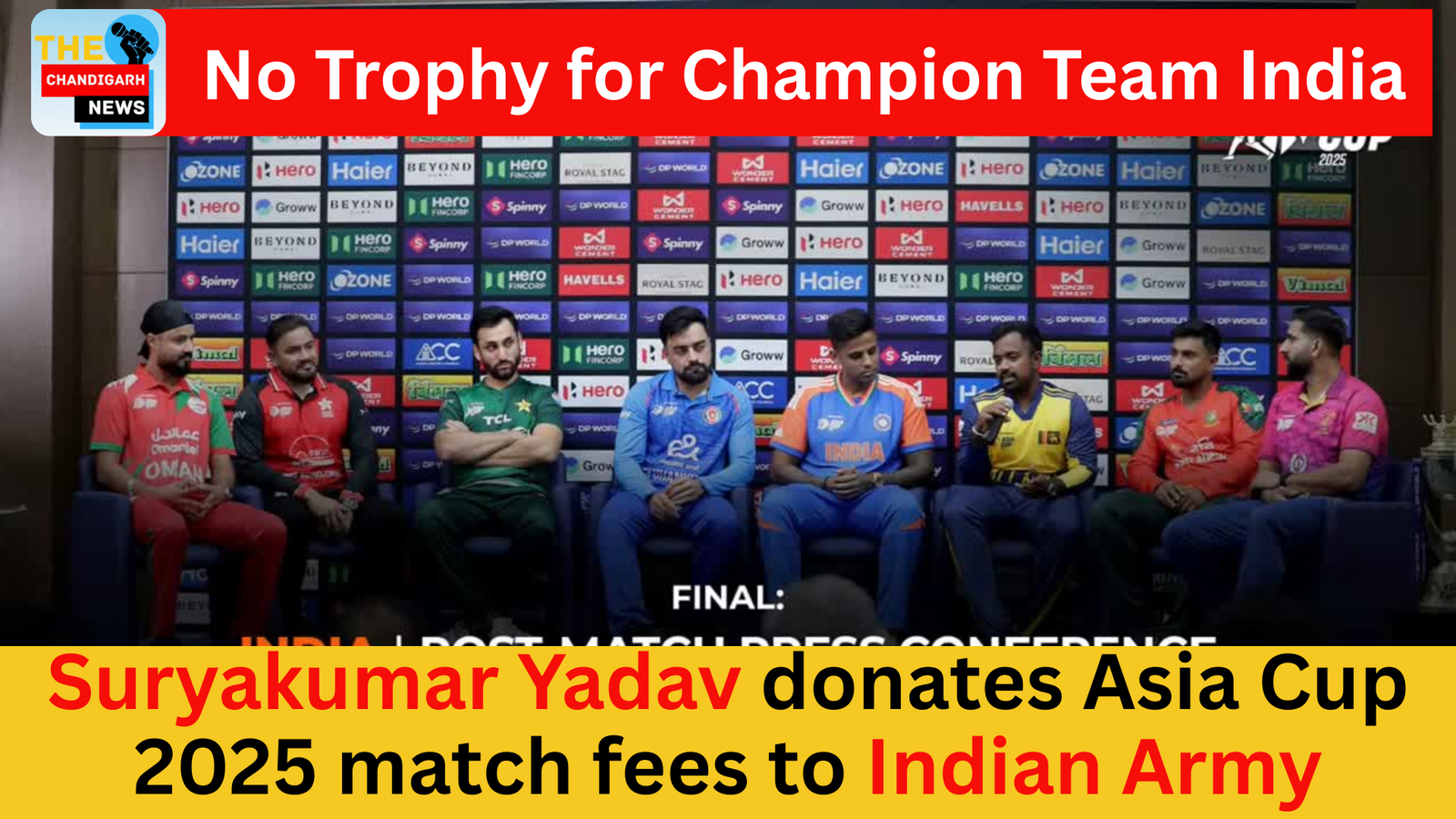
“We as a team decided not to take the trophy (from Mohsin Naqvi). Nobody told us to do so. But I feel a team that wins the tournament deserves the trophy,”
Suryakumar Yadav, India Captain
The refusal triggered immediate drama on the ground. Naqvi reportedly walked out of the venue carrying the Asia Cup trophy alongside the tournament medals, flanked by ACC officials. Video footage capturing the swift exit spread rapidly across global networks, turning what is traditionally a routine broadcast wrap into an electric viral episode.
Friction, Social Media, and the Road to the Final
The trophy incident did not occur in isolation; it served as the boiling point for a tournament fraught with acute geopolitical tension. Throughout the event in Dubai, the Indian squad strictly adhered to a no-handshake policy regarding Pakistani players and officials, setting a stern, quiet tone from the opening fixtures straight through to the final match.
Friction had been steadily escalating off the pitch, driven in part by online posts from Naqvi himself. The ACC Chairman had raised eyebrows with cryptic social media uploads, including one depicting Cristiano Ronaldo’s plane crash celebration. Pakistani media outlets subsequently cited the post to advance false claims that six Indian jets had been downed during Operation Sindoor—an alleged military retaliation following the terror attack in Pahalgam, which Indian authorities firmly denied.
Tensions deepened further when Naqvi actively lobbied the International Cricket Council (ICC) to hit Suryakumar Yadav with a severe Level 4 charge. The push for disciplinary action came after the Indian skipper publicly expressed solidarity with the Indian Army and the victims of the Pahalgam attack.
Virtual Trophies and Squad Solidarity
Despite leaving the stage without physical silverware or medals, the mood within the Indian dressing room remained defiantly upbeat. Rather than letting the post-match controversy overshadow their victory over Pakistan, the players turned to creative humor on social media to assert their achievement.
All-rounder Hardik Pandya, who was forced to miss the final due to injury, posted an image on social media displaying a photoshopped Asia Cup trophy, directly reviving his celebrated pose from India’s T20 World Cup 2024 victory. Meanwhile, opening batter Shubman Gill uploaded a photograph alongside partner Abhishek Sharma, editing a virtual trophy between them in a playful nod to the missing hardware.
In the end, India’s refusal to accept the trophy from Naqvi reshaped the narrative of international sports diplomacy in the region. By prioritizing their political stance over the physical prize, the team delivered a clear, unified message—leaving Dubai with an unforgettable victory, even if the trophy itself left in the hands of the ACC leadership.
Sources
These sources formed the evidence pack for this article. Links open the original publisher; inclusion does not imply endorsement.
- incredibleindia.gov.in original
- worldatlas.com original
- lifeofindian.in original