Scores, fixtures and picks
These fixtures are connected to teams or competitions named in the article. Live status and scores come from the normalized SportyPulses data feed; predictions are reader picks, not betting advice.
When front offices swap established bottom-six certainty for volatile young talent, they reveal precise tactical priorities. The trade sending center Jack Drury, prospect Chase Bradley, and a 2029 third-round selection from the Colorado Avalanche to the Nashville Predators in exchange for former first-round forwards Zachary L’Heureux and Fedor Svechkov represents a calculated gamble on role definition. Colorado gains high-motor physical friction and defensive length, while Nashville secures a high-floor, draw-winning engine to stabilize their middle ice.
Reprogramming the Bottom Six: Aggression vs. Circle Dominance
For Colorado, acquiring L’Heureux and Svechkov addresses a distinct structural need: injected snarl and disruption behind their elite top-six talent. L’Heureux brings an abrasive, high-intensity forechecking style that forces turnovers along the boards through raw physical contact and continuous net-front agitation. In 25 games with Nashville during the 2025–26 season, L’Heureux chipped in four goals and five points while maintaining a 29-point production in 33 games for AHL Milwaukee. His ability to tilt ice through sheer physical harassment creates space for line mates, though his disciplinary tightrope remains an operational variable.
Svechkov offers a contrasting complement as a disciplined, defensive-minded center. Drafted 19th overall in 2021, the 23-year-old posted 17 points across 70 games in Nashville during the 2025–26 campaign. While Svechkov struggled at the faceoff dot (42.8% win rate) and yielded modest offensive production, his stick positioning in the neutral zone and ability to disrupt clean zone entries fit Colorado's fast-transitioning defensive scheme.
"Jack Drury is a hard-working, reliable, full-sheet of the ice center who can handle the tough assignments while being elite in the face-off circle," Nashville general manager Chris MacFarland said following the transaction.
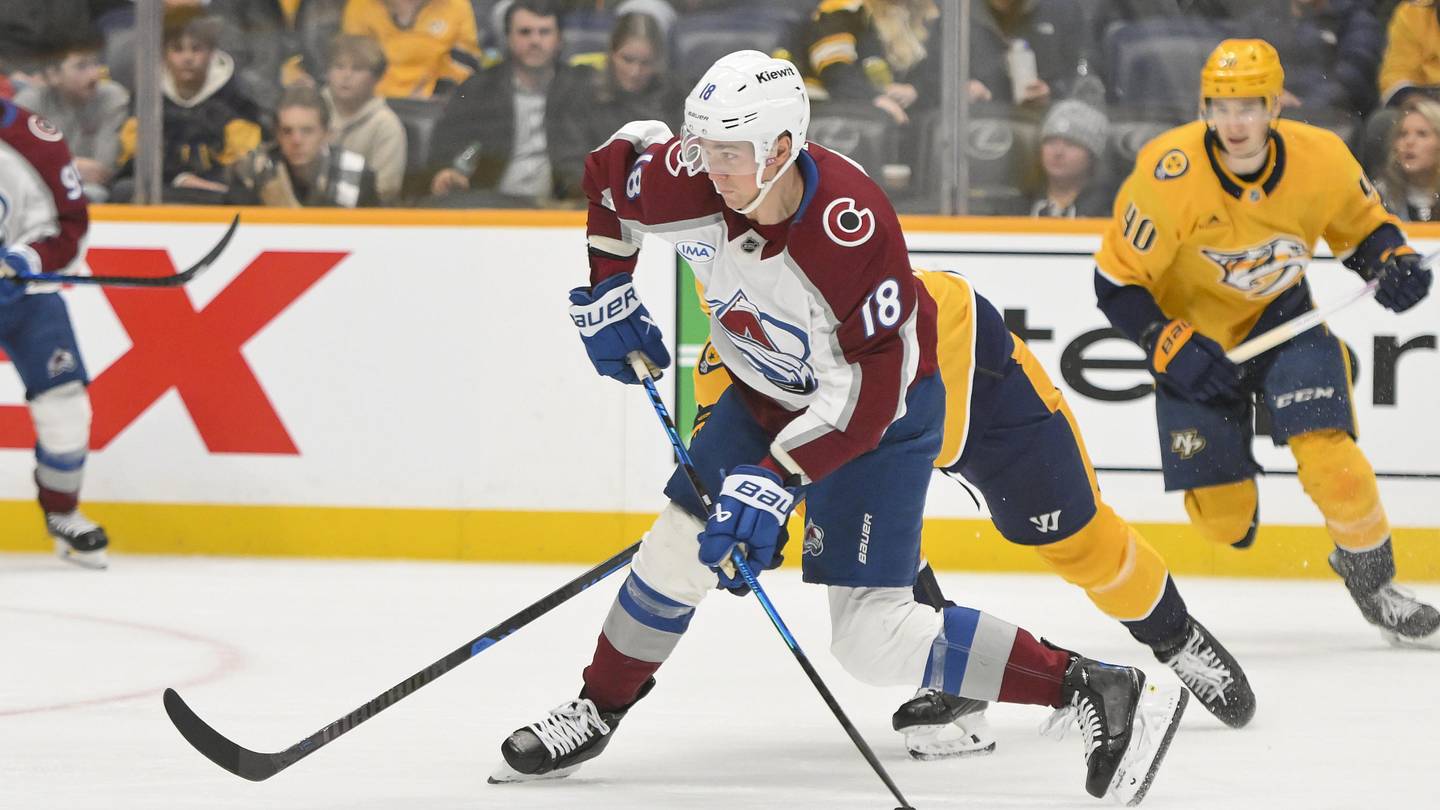
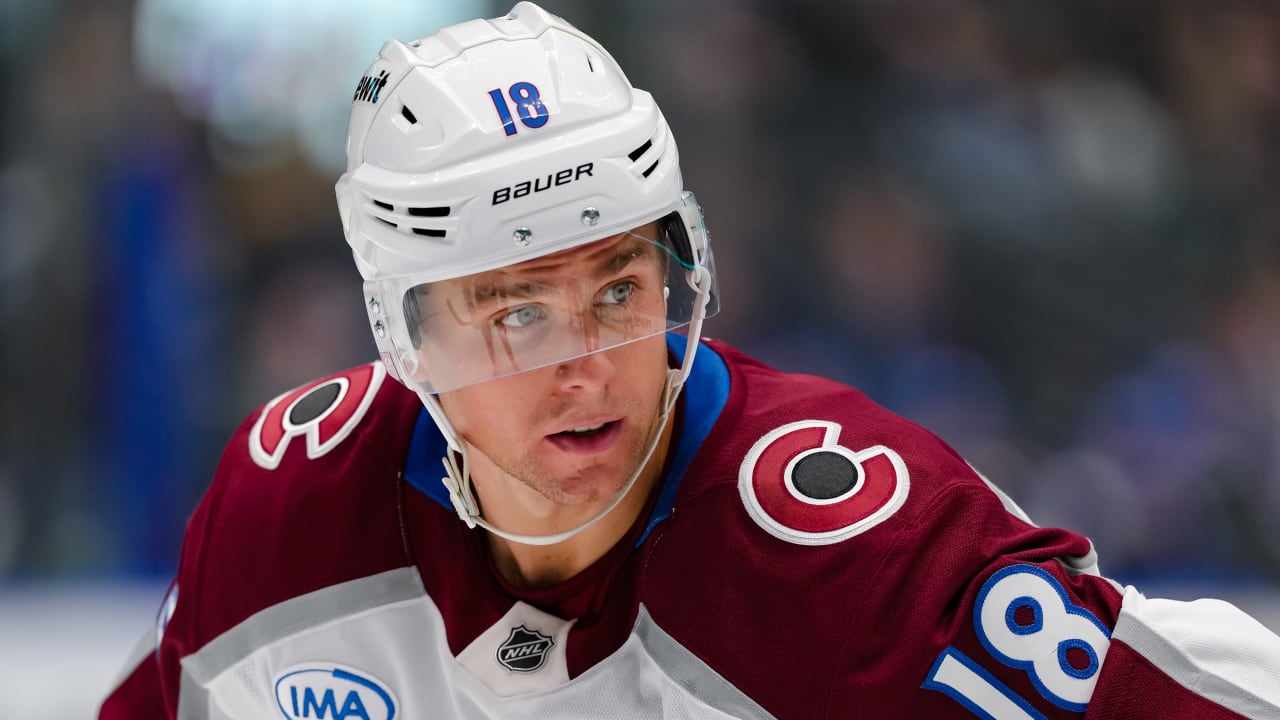
In acquiring Drury, Nashville President of Hockey Operations and General Manager Chris MacFarland—who took over the Predators on June 2 after serving as Colorado's GM—prioritized central stability. Drury, 26, produced 27 points (10 goals, 17 assists) in 82 regular-season contests for Colorado in 2025–26, alongside five points in 13 playoff appearances. Owning a career 57.1% faceoff winning percentage across 268 NHL games, Drury gives Nashville an elite defensive-zone draw taker capable of starting shifts without bleeding pressure.
Statistical Blueprint: The Exchange Mechanics
Examining the production profiles of the primary pieces highlights how both front offices tailored the deal to match their competitive timelines and line-matching demands.
| Player | Age | Acquiring Team | 2025–26 Stats | Contract / Status |
|---|---|---|---|---|
| Jack Drury | 26 | Nashville Predators | 82 GP, 10G, 17A, 27 PTS (57.1% FO) | RFA (July 1) |
| Zachary L’Heureux | 23 | Colorado Avalanche | 25 GP, 4G, 1A, 5 PTS (NHL) / 33 GP, 29 PTS (AHL) | Signed 2-yr deal (thru 2028) |
| Fedor Svechkov | 23 | Colorado Avalanche | 70 GP, 4G, 13A, 17 PTS (42.8% FO) | Signed 2-yr deal (starts 2026) |
| Chase Bradley | 24 | Nashville Predators | 42 GP, 9G, 3A, 12 PTS (AHL, Colorado Eagles) | RFA (July 1) |
Space, Roster Paths, and Nashville's Youth Transition
MacFarland’s second trade with his former club—following the earlier move for forward Ross Colton on June 16—signals a clear clearing of the decks in Nashville. By moving on from Svechkov and L’Heureux, the Predators open essential NHL roster runways for their incoming wave of young forwards, including Brady Martin, Felix Nilsson, Aiden Fink, and Vitali Pinchuk. With veteran cornerstone contracts like Steven Stamkos and Jonathan Marchessault anchoring top-nine wing spots, Nashville needed to convert lower-ceiling young wingers into high-utility central depth.
Adding Bradley—a former UConn teammate of Predators center Matthew Wood who registered 23 goals and 34 points in the AHL over the past two seasons—gives Nashville extra minor-league depth. However, integrating Drury alongside existing bottom-six fixtures creates a logjam that requires tactical rotation during training camp.
Evidence-Led Forecast: 2026–27 Deployment and Tactical Integration
Likely Tactical Pattern: Colorado will deploy L’Heureux on a heavy third or fourth line designed to establish aggressive forechecking pressure deep in the offensive zone. Expect Colorado's coaching staff to pair Svechkov with low-risk defensive wings during neutral-zone trap sequences, using his reach to break up cycles before launching quick counter-attacks. Nashville will instantly assign Drury to defensive-zone draws and high-leverage penalty killing, pairing his draw mastery with puck-pasting wingers to ensure clean exits.
Decisive Matchup: L’Heureux's discipline against structured, mobile defensive pairs. If opponents can draw L’Heureux into post-whistle penalties or exploit his over-commitment on physical hits along the boards, Colorado’s penalty kill will face unnecessary stress. Conversely, Drury’s direct head-to-head matchup against elite divisional centers in the faceoff circle will dictate Nashville’s ability to control 5-on-5 momentum.
Strongest Counter-Case: Svechkov’s persistent faceoff struggles (42.8%) could limit his viability as a true NHL center, forcing Colorado to shift him to the wing and reducing the transaction's central depth value. On Nashville's side, placing Drury into a heavy bottom-six role might cap the offensive ice time available for rising prospects, delaying their development curves.
What Would Change the Read: A rapid offensive leap from Svechkov in Colorado’s fast-paced system, or a decision by Nashville to convert Drury into a net-front offensive asset during second-unit power plays rather than utilizing him purely as a defensive defensive-zone specialist.
Sources
These sources formed the evidence pack for this article. Links open the original publisher; inclusion does not imply endorsement.
- predlines.com original
- nhl.com original
- livesport.cz original