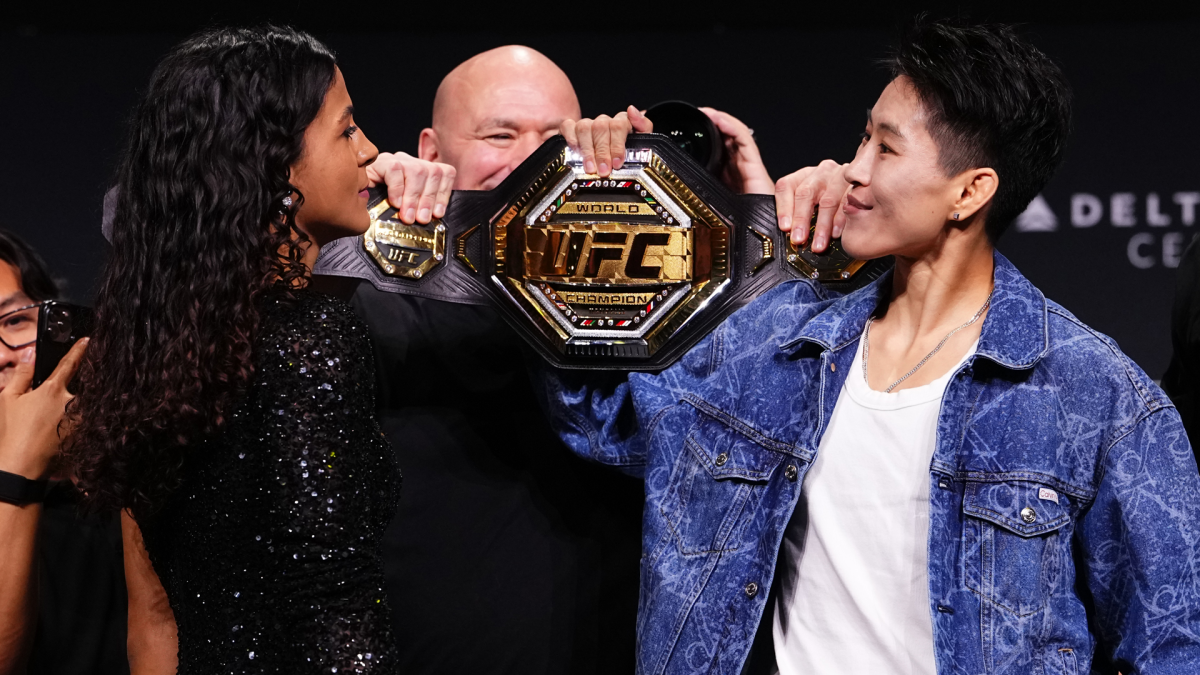
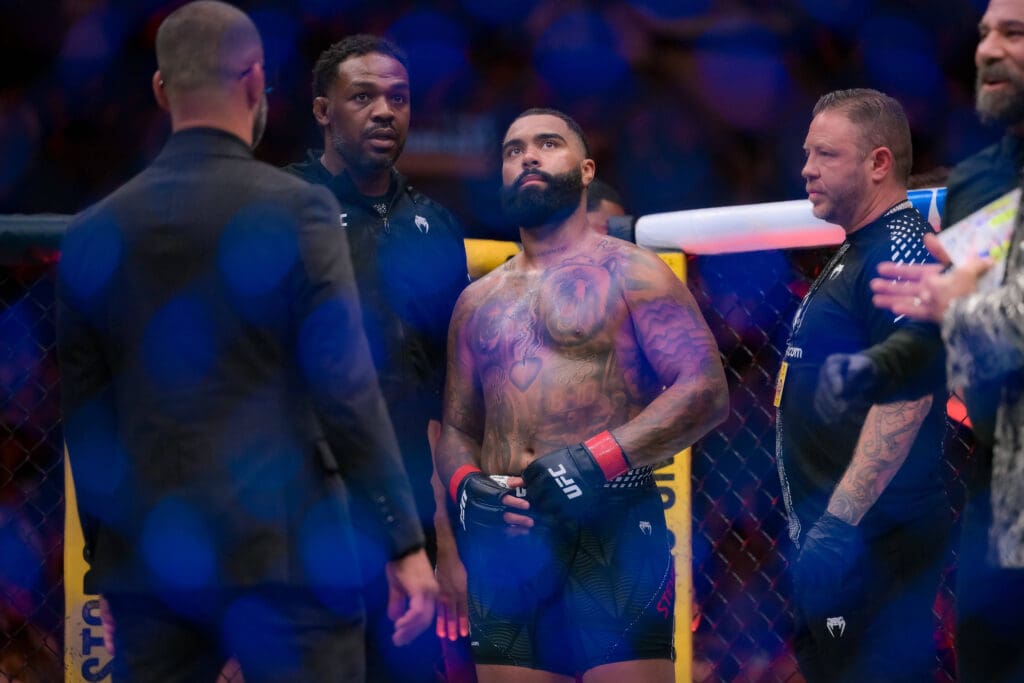
When the conversation shifts away from highlight-reel knockouts and championship belts, the infrastructure of the Ultimate Fighting Championship reveals a different brand of intensity. UFC President Dana White, speaking across various podcast appearances and media sessions, has consistently pulled back the curtain on the subterranean politics that govern prize fighting—ranging from explosive backstage altercations with former heavyweight champion Francis Ngannou to the polarizing fallout of high-profile events.
The friction between the promotion and its former stars rarely stays contained to standard contract negotiations. According to White, recounting details on the Flagrant podcast, tensions with Ngannou escalated well beyond corporate disagreements into physical confrontations inside UFC offices. The dispute, centered around bonus distributions and access to the UFC Performance Institute, boiled over when the heavyweight contender allegedly grabbed White by the shirt and pushed him backward over a perceived shortchange on a $50,000 post-fight bonus. White detailed a similar run-in involving UFC Chief Business Officer Hunter Campbell, where Ngannou allegedly yanked Campbell by the collar.
These revelations expose the fragile ecosystem of fighter-promoter relationships. While the promotion markets athletes as larger-than-life brands, the backstage reality is an environment of rigid control and high-stakes ego management. White maintained that Ngannou's actions reflected a deliberate posture rather than a cultural misunderstanding, dismissing the notion of a severe language barrier: The guy's English was sharp enough to make demands crystal clear—he just chose to play mind games instead.
Control of the microphone has proven equally volatile outside of contract disputes. Following the historic UFC Freedom 250 card held on the South Lawn of the White House—a $60 million production celebrating the nation's 250th anniversary and President Donald Trump's 80th birthday—heavyweight Josh Hokit drew immediate condemnation for an insult directed at former First Lady Michelle Obama during his post-fight interview. Speaking on The Pivot podcast, White did not mince words regarding the incident, despite praising the broader execution of the event.
Dana White expressed clear frustration over the remarks, stating: When you hit this f***ing grand slam homerun and have a perfect event in every way that it could be, you've got a f***ing moronic [comment like that]. But other than that, it was a great f***ing night. What are you going to do?
While condemning the language as gross and inappropriate for targeting a wife, mother, and former First Lady, White doubled down on his absolute defense of fighter expression. Maintaining that the promotion protects free speech even when the resulting rhetoric is deeply offensive, White noted the philosophical trade-off inherent in running an organization populated by unfiltered personalities: Unfortunately when you talk about freedom of speech, it's usually the grossest stuff that has to be protected. You can't talk about freedom of speech and then pick and choose what [is allowed].
As the promotion navigates ongoing legal challenges—including a lawsuit filed by rival promotion Boxxer over alleged fighter poaching—and historic venue logistics, the underlying tension remains constant. Whether dealing with volatile negotiations in private hallways or controversial statements under the broadcast lights, the modern fight business relies on an uneasy balance between total organizational discipline and the explosive unpredictability of the athletes who drive its revenue.
Sources
These sources formed the evidence pack for this article. Links open the original publisher; inclusion does not imply endorsement.
- dailymail.com original
- theoctagonbeat.com original
- independent.co.uk original
- mmafighting.com original