When Coco Gauff arrived at the All England Club for Wimbledon, her relationship with the green lawns of Europe was defined by an uncomfortable vacuum: zero grass-court wins in two years and a first-round exit at the Berlin Tennis Open. Opting out of a last-minute tune-up tournament to focus strictly on fundamentals in practice, Gauff chose a pragmatic path. Rather than forcing herself into a preconceived notion of textbook grass-court play—which emphasizes keeping points short and rushing the net—she leaned into her identity as an elite baseline competitor.
That strategic pivot materialized in a 4-6, 6-3, 6-3 quarterfinal victory over compatriot Jessica Pegula on Centre Court. Pegula, at 32 years old, arrived with a reputation for thriving on faster, slicker grass. Yet Gauff systematically dragged her into a loopier, deeper, and scratchier match. Behind the baseline, Gauff deployed high, heavy forehands and flatter backhands that kept Pegula’s toes off the whitewash, forcing her to step backward where balls rose out of her preferred strike zone.
Serving Dynamics and Tactical Adjustments
Gauff's serve remained a volatile instrument throughout the fortnight, acting as both an offensive weapon and a source of early vulnerability. Against Pegula, shaky initial service games—punctuated by double faults—yielded an early break in the first set. However, as the afternoon temperature increased, Gauff loosened her right shoulder, cranking her first serve into the 120mph range and topping out at 126mph. She successfully incorporated rare serve-and-volley tactics, winning three of five such points, while dominating extended rallies by claiming all 12 points that lasted at least nine shots.
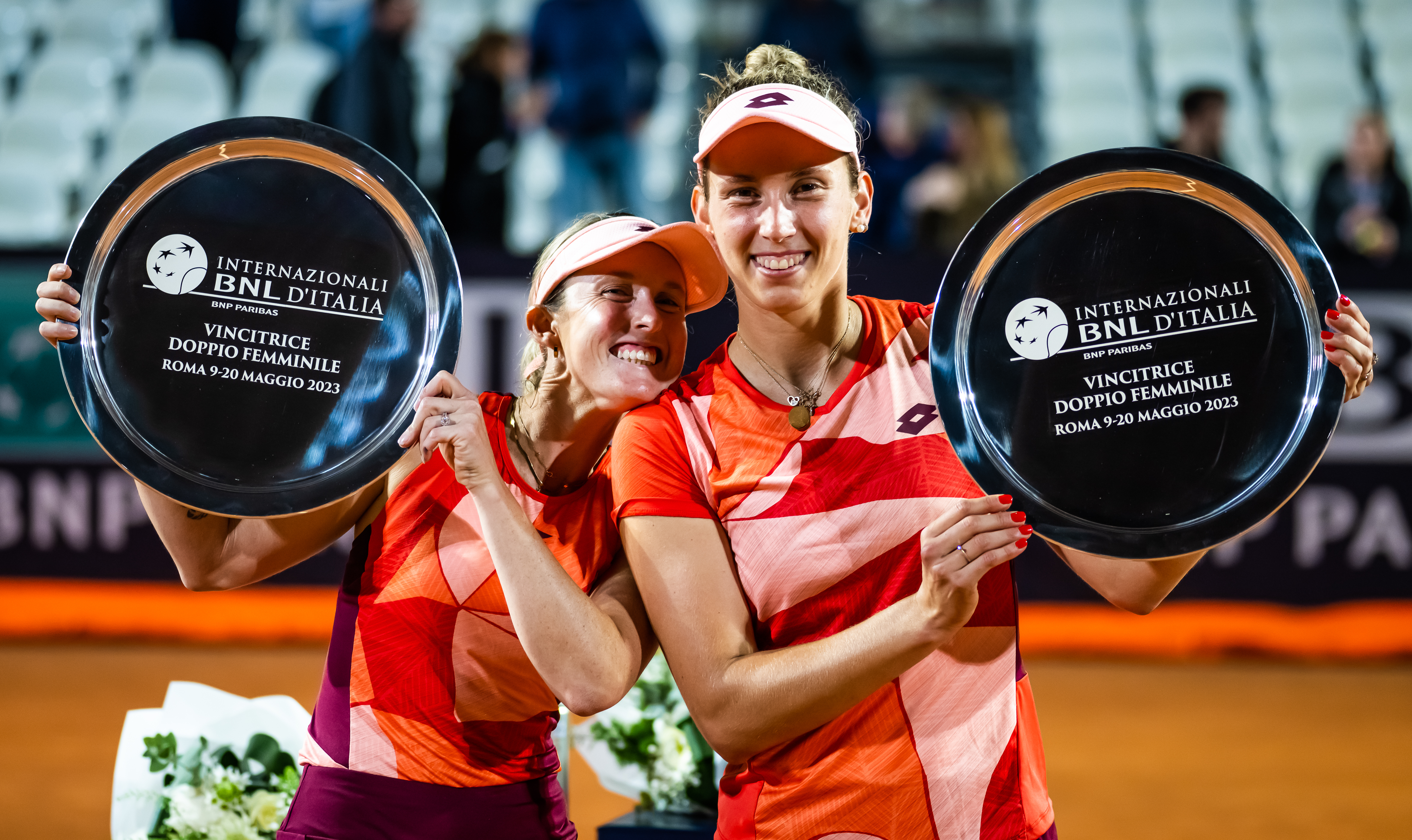
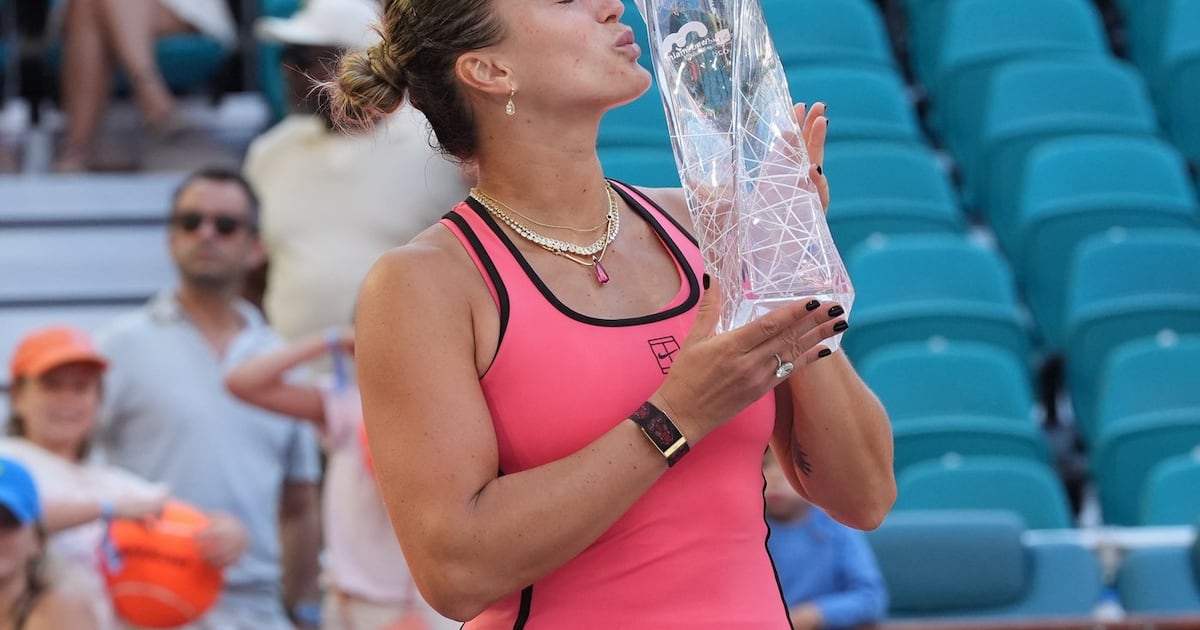
This resilience mirrors the complex head-to-head trajectory shared among the sport's elite competitors. Whether dropping a straight-sets doubles final in Rome to Storm Hunter and Elise Mertens alongside Pegula, or falling to Aryna Sabalenka in a three-set Miami Open final where Sabalenka completed the Sunshine Double, Gauff's matches routinely turn on narrow service margins and crucial baseline exchanges.
Tournament Performance Comparison
| Tournament | Surface | Result | Key Opponent / Outcome |
|---|---|---|---|
| Wimbledon Quarterfinal | Grass | Won (4-6, 6-3, 6-3) | Defeated Jessica Pegula via heavy baseline depth and surging first serves |
| Internazionali BNL d'Italia (Rome) | Clay | Runner-Up (4-6, 4-6) | Lost to Storm Hunter and Elise Mertens in the doubles final |
| Miami Open Final | Hard | Runner-Up (2-6, 4-6, 3-6) | Lost to Aryna Sabalenka, who secured the Sunshine Double |
Reflecting on her unexpected surge into the Wimbledon final four, Gauff admitted the turnaround felt surreal. If you told me I would be in the semis of this tournament, I’d be like,
she noted with a laugh. Her ability to taunt bad data into inspiration—overcoming unforced errors and erratic serving stretches through sheer competitive tenacity—has transformed her into a legitimate multi-surface threat as she prepares to face Karolína Muchová.You’re funny,
Sources
These sources formed the evidence pack for this article. Links open the original publisher; inclusion does not imply endorsement.
- nytimes.com original
- wtatennis.com original
- tsn.ca original