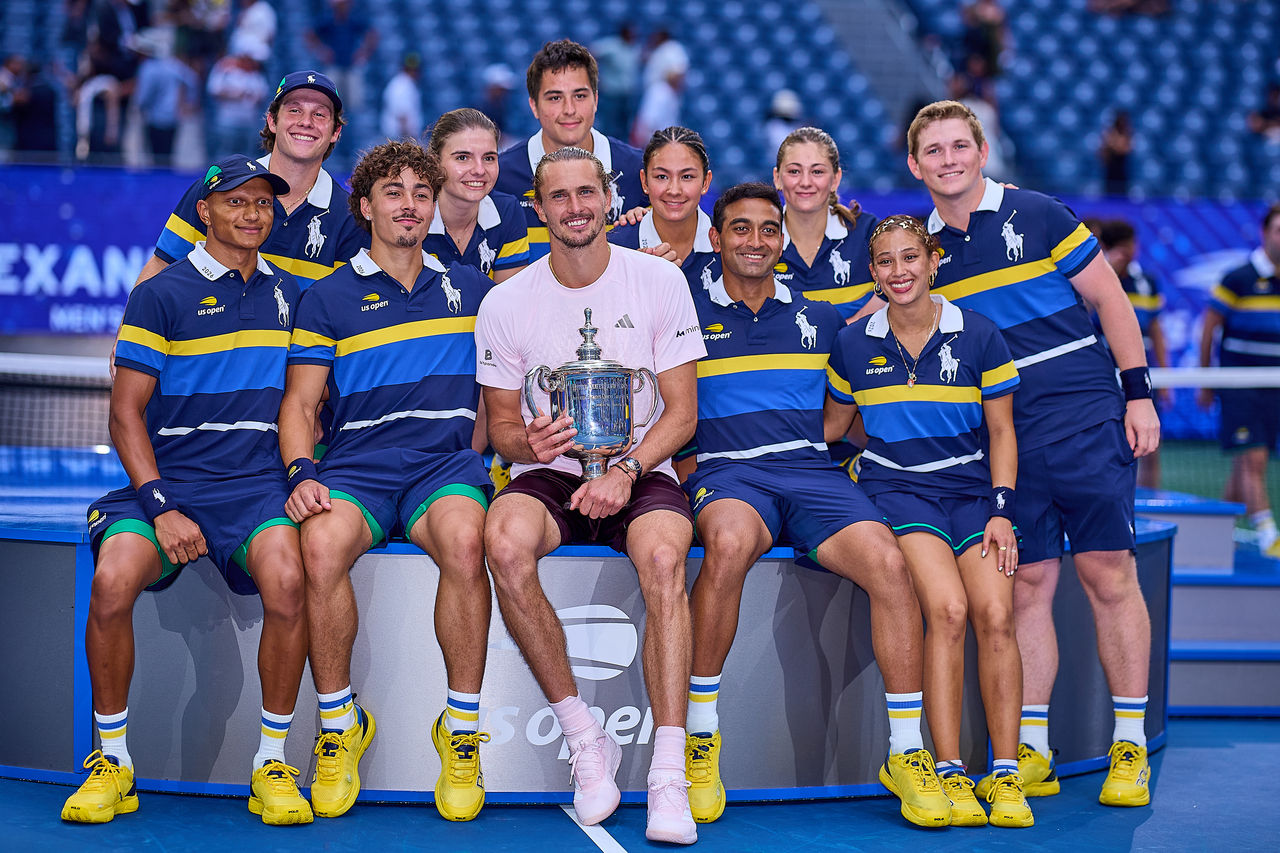
For years, the narrative surrounding Alexander Zverev was defined by what was missing. Despite establishing himself near the summit of the men's game, the major breakthrough on tennis's biggest stages remained frustratingly out of reach. That long-standing weight finally lifted when the German player claimed his maiden grand slam title at Roland Garros. Rather than a solitary flash, that breakthrough antedated a rapid structural shift in his career trajectory, carrying him directly into uncharted territory on the lawns of the All England Club.
Entering the latter stages of the tournament, Zverev navigated a semifinal hurdle against wildcard entrant Arthur Fery, halting the Briton's remarkable run with a 7:6, 6:2, 6:4 victory. The opening set demanded resilience after Zverev surrendered an early break in the fourth game, yet he commanded the subsequent tie-break without dropping a single point before asserting total dominance across the second and third sets. Reaching the title match at Wimbledon meant Zverev completed a career set of grand slam finals across all four majors, stepping into a space last occupied by German men's tennis legends Boris Becker and Michael Stich decades prior.
Crucially, Zverev's deep run coincided with volatility and physical attrition among his closest rivals at the top of the sport. While world number one Jannik Sinner advanced to the Wimbledon final by defeating Novak Djokovic in straight sets (6:4, 6:4, 6:4), the broader ranking ecosystem shifted underneath them. Fery's surge to the semifinals and subsequent tournament outcomes directly impacted the ATP hierarchy, elevating Zverev to the number two spot in the world rankings—effectively overtaking the injured Spanish star Carlos Alcaraz.
Reflecting on his historic fortnight, Zverev admitted to a profound sense of relief regarding a venue that historically tested him. Tento grandslam byl vždycky ten, na němž jsem se nejvíce trápil. A teď jsem najednou ve finále. Jsem neskutečně hrdý a šťastný. Ale mám před sebou ještě jeden zápas a na ten se hlavně soustředím,
Zverev noted, as quoted by Deník.cz.
Yet, maintaining momentum at the summit remains an unrelenting challenge. Shortly after his grass-court exploits, the hard-court swing at the ATP Masters in Montreal exposed the thin margins separating the elite. Serving as the top seed, Zverev suffered a sudden opening-round exit at the hands of Tallon Griekspoor, dropping a tight three-set encounter 7:6, 2:6, 4:6. Despite that early Montreal stumble—which followed early exits by other tournament favorites like Taylor Fritz—Zverev's accumulated consistency secured his mathematical qualification for the prestigious year-end ATP Finals in Turin alongside Sinner.
As the tennis calendar marches forward, the competitive dynamic at the top has transformed from a solitary chase into a tightly contested multi-player rivalry. With his diabetes managed on court through routine insulin injections and his mental barrier at majors decisively shattered, Zverev no longer represents a contender searching for a breakthrough, but an established pillar of the modern game's upper echelon.
Sources
These sources formed the evidence pack for this article. Links open the original publisher; inclusion does not imply endorsement.
- independent.co.uk original
- denik.cz original
- tenisportal.cz original