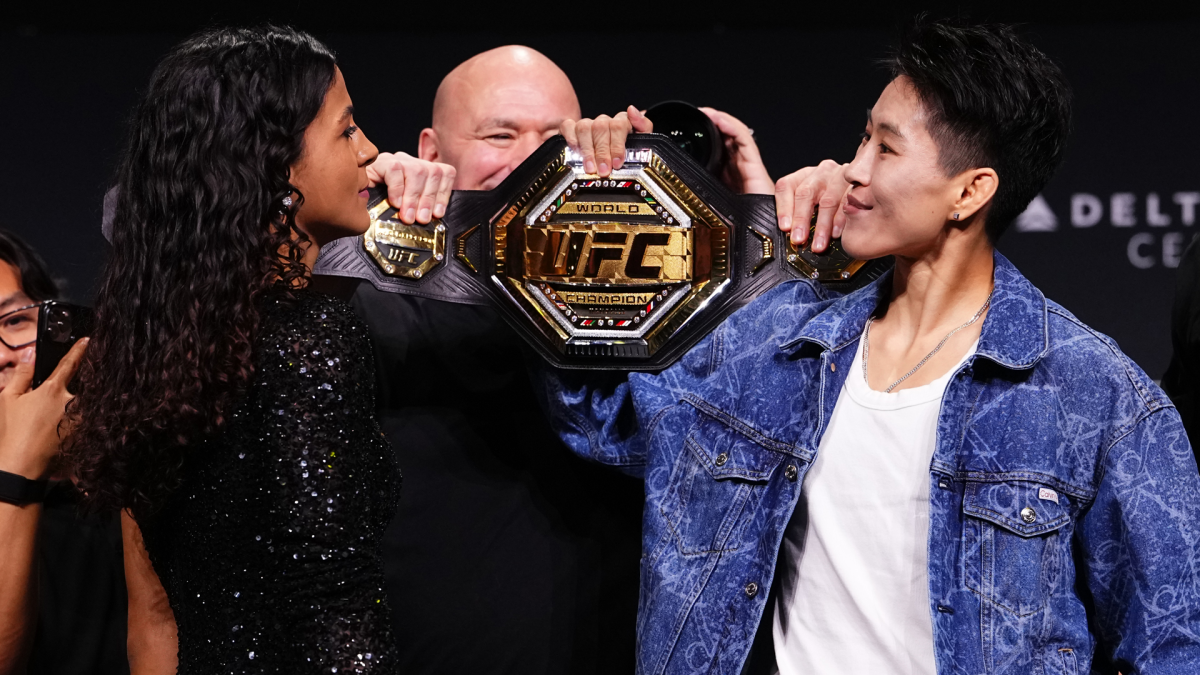
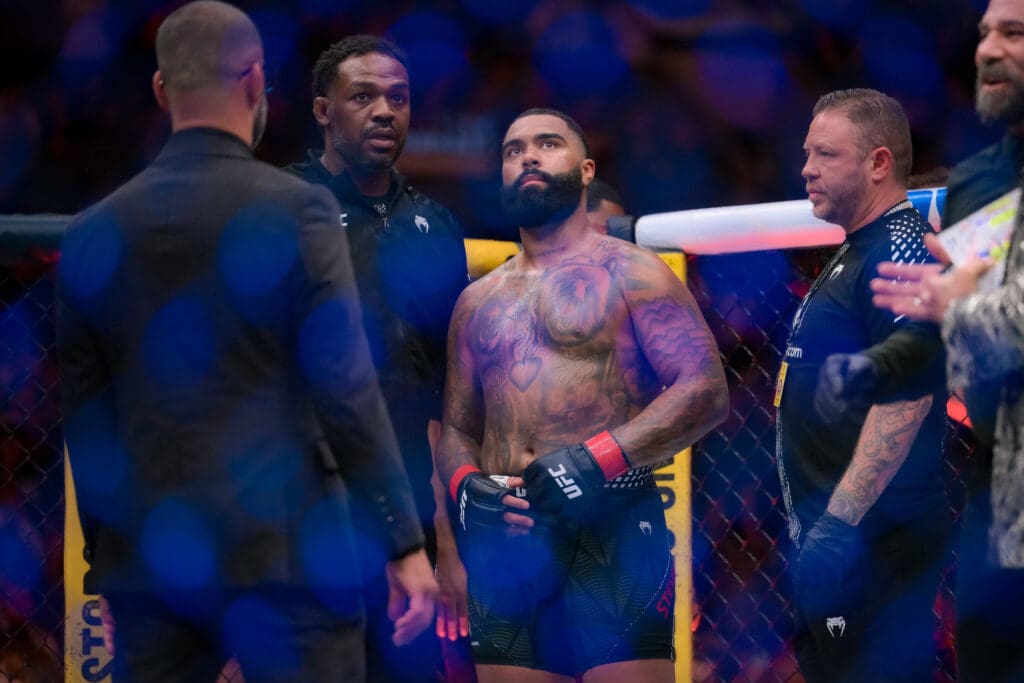
The atmosphere in Orlando is tightening. In just three days, the Kia Center will host Duel Arena 1, and while the card boasts various names, the collision between Mike Perry and Dillon Danis has become the gravitational center of the event. It is a matchup that pits pure, unadulterated aggression against technical, submission-oriented grappling—a stylistic crossroads that has left analysts and critics divided.
The Collision of Styles
On paper, the statistical discrepancy between the two fighters presents a fascinating study in combat archetypes. Dillon Danis, the 33-year-old middleweight, enters the cage with a perfect, albeit brief, professional MMA record of 2-0. His efficiency is the headline: 100% of his victories have come via submission, including an armbar and a toe hold. Standing 6'0" and weighing in at 175 lbs, Danis operates with a high-level grappling pedigree that seeks to nullify striking exchanges through immediate positional dominance.
Mike Perry, conversely, is the seasoned veteran of the trenches. With a professional record of 15-8, Perry lacks the pristine win-loss ratio of Danis, but he possesses a level of cage experience and a reputation for an all-action style that few can match. Perry does not merely participate in fights; he forces them into high-variance, high-impact scrambles. For Perry, the objective is rarely to outpoint an opponent, but to overwhelm them through sheer volume and pressure.
The Spectacle and the Scorn
The buildup to this bout has not been without significant external noise. The polarizing nature of these "all-action" matchups often attracts heavy criticism from purists within the sport. Darren Till, a former UFC fighter who recently signed a multi-fight deal with BKFC, provided a scathing lens through which much of this matchmaking is viewed.
“It’s just a mongoloid fight, isn’t it? Just a pair of f*cking Teletubbies fighting each other. Nate Diaz can’t string a sentence together, neither can Mike. It’s trash. American trash. Just trash.” — Darren Till, speaking to MMA Fighting.
While Till’s specific vitriol was directed toward the broader landscape of high-profile, crossover-style cards, his comments underscore the central tension of the Perry vs. Danis matchup. To some, this is the pinnacle of combat entertainment; to others, it is a departure from the technical rigors of traditional MMA. However, even Till acknowledged the underlying reality of the modern combat sports economy, noting that if fighters are securing massive paydays through these high-profile spectacles, they deserve respect for the business acumen involved.
Evidence-Led Forecast
Tactical Pattern: Expect an immediate struggle for positional control. Danis will likely attempt to close the distance early to avoid the striking exchanges where Perry thrives, looking to utilize his 100% submission success rate to end the fight on the mat. Perry will likely employ a high-pressure striking approach, attempting to catch Danis in transition or during an entry.
Decisive Matchup: The grappling entry. If Danis can successfully execute a takedown without absorbing significant damage, he dictates the terms. If Perry can punish Danis's attempts to close the distance, the fight moves into a striking realm where Perry's experience is the deciding factor.
Strongest Counter-Case: Perry’s veteran composure. Given his 23 professional bouts, Perry has faced high-pressure situations and aggressive specialists before. If he can weather the initial grappling onslaught, his ability to find a finish in the standing exchanges could negate Danis's technical edge.
What Would Change the Read: Any indication of Danis's ability to defend against heavy, glancing strikes during his clinch entries would significantly tip the scales in his favor, suggesting he can navigate the 'danger zone' to reach his preferred ground game.
Sources
These sources formed the evidence pack for this article. Links open the original publisher; inclusion does not imply endorsement.
- mmafighting.com original
- sherdog.com original
- mmamania.com original