As the English summer hits its annual crossroads—where exhausted parents grapple with the final weeks of school holidays and the football season looms—the domestic cricket calendar finds itself knee-deep in institutional introspection. For The Hundred, the sixth edition of the tournament carried a vastly different economic architecture following the England and Wales Cricket Board's landmark sale of stakes across all eight teams to private investors, a transaction that generated a staggering £975m.
Yet, financial windfalls at the boardroom level did not translate directly into packed turnstiles across every venue. The ECB confirmed a modest 5% drop in overall ticket sales, sliding from 580,000 last year down to 550,000. Officials attributed the dip to a natural reset moment driven by extensive rebranding, new team names, and varying local marketing strategies now managed directly by private owners rather than centrally by the governing body.
Amid this national softening, however, regional exceptions painted a fascinating picture of localized engagement. While rebranded franchises at Headingley and Old Trafford saw reduced headcounts—though Lancashire chief executive Daniel Gidney noted that net revenue at Manchester actually rose by just under £50,000 despite selling 7,000 fewer tickets—Cardiff's Sophia Gardens delivered a resounding success story.

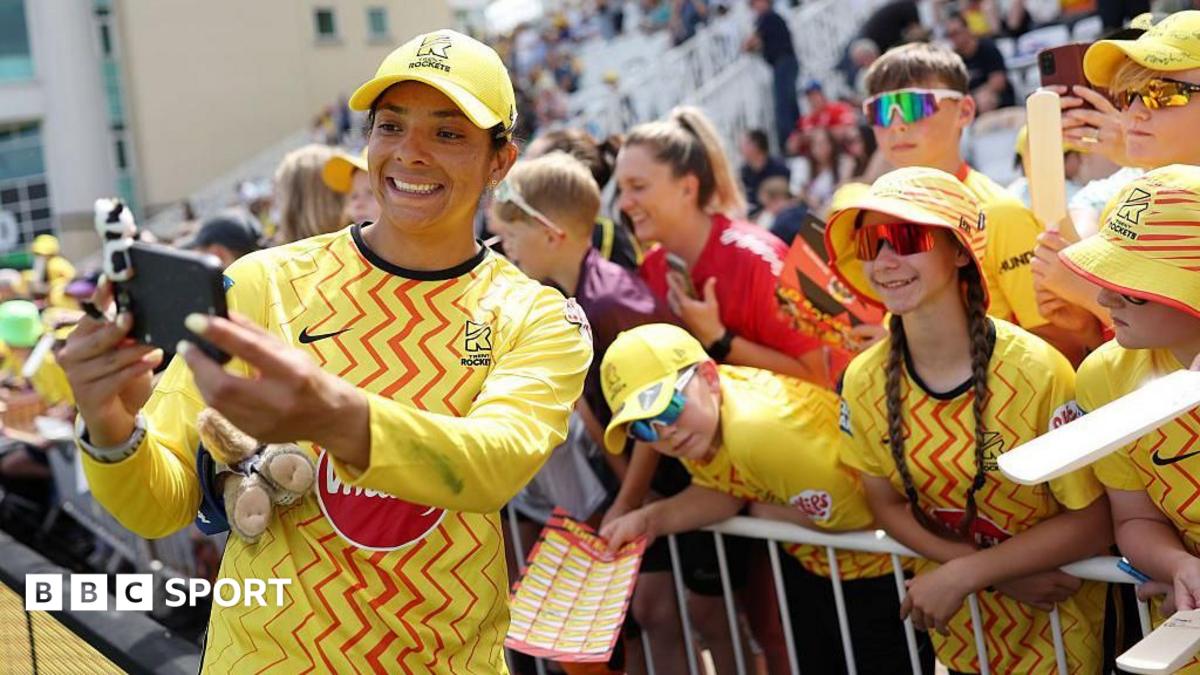
As the smallest venue hosting the competition, Cardiff's Sophia Gardens recorded record crowds for both its men's and women's Welsh Fire teams. The pinnacle of local support arrived on a Saturday night fixture against MI London, drawing 11,796 fans through the gates. This peak contrasted sharply with earlier scheduling hurdles, which included midweek 11:30 BST starts for the women's team.
Tournament director Vikram Banerjee defended the health of the competition, asserting that the on-field product remains second only to the Indian Premier League by a clear distance. Our broadcast numbers are looking good, our online audiences are generating great numbers, and we're growing,
Banerjee told BBC Sport. ECB chief executive Richard Gould echoed the sentiment, acknowledging that while the economy remains sluggish and new brands require time to foster organic loyalty, the transition to private and club ownership will ultimately strengthen long-term fandom.
Meanwhile, scale and polarization defined the remainder of the league table. London-based rivalries continued to command massive numbers, highlighted by a group-stage record crowd of 27,721 for the derby between London Spirit and MI London. Yet, the absence of a London-based franchise in either the men's or women's Eliminators left The Oval notably short of capacity, drawing 10,271 for the women's fixture and 20,124 for the men's.
As the tournament draws to a close, the early returns suggest that private ownership has introduced both financial efficiency and transitional friction. Whether the new brand identities can replicate Cardiff's surging momentum across all eight franchises remains the definitive question for the ECB's next commercial cycle.
Sources
These sources formed the evidence pack for this article. Links open the original publisher; inclusion does not imply endorsement.
- bbc.co.uk original
- dailymail.com original
- bbc.com original