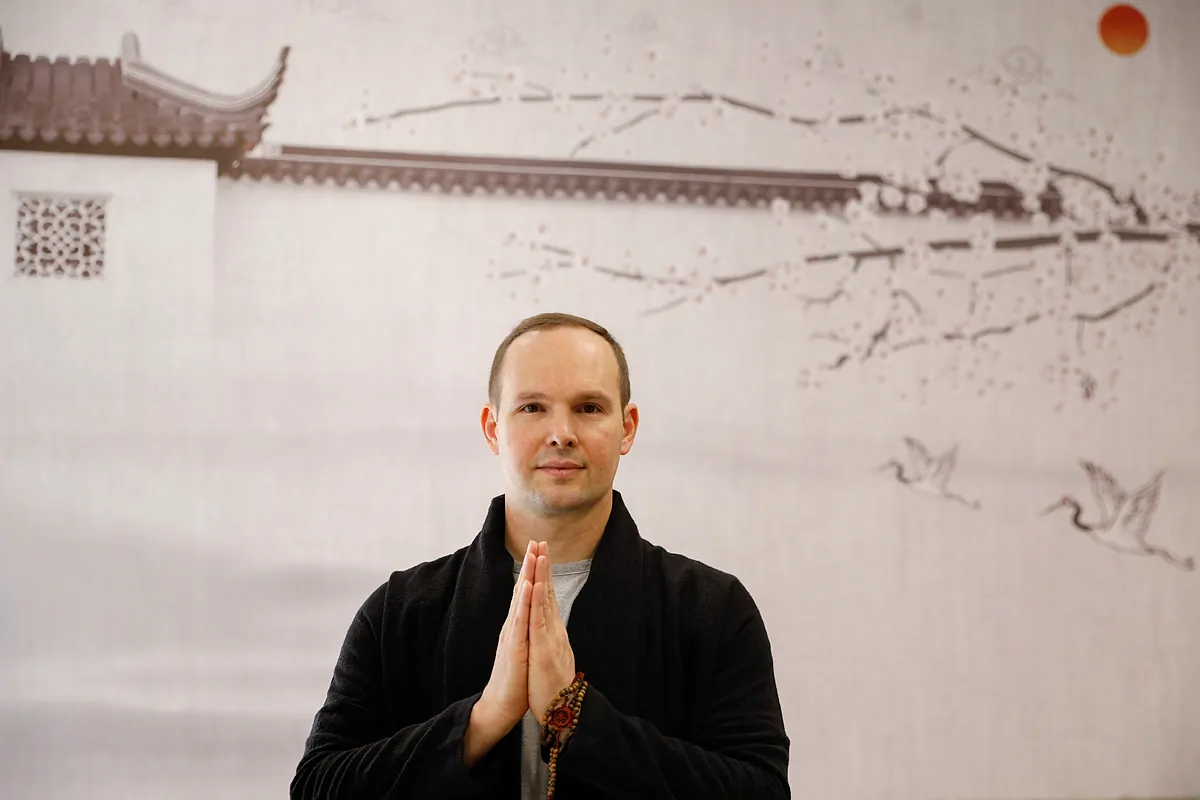
In the quiet corners of dojos from Madrid to Láncara, a transformation is unfolding. The popular image of Kung Fu—often reduced to the flickering, high-octane violence of mid-20th-century cinema—has been superseded by a more nuanced reality: a pedagogical system for the self. For practitioners, masters, and students alike, the art has pivoted from a pure focus on combative technique to a sophisticated methodology for navigating the stresses and physical stagnations of the 21st-century experience.
The Pedagogy of Self-Care
For many, the initial draw is deceptively simple: a desire to escape the boredom of the treadmill or the social pressure of team ball games. Cecilia Maugeri, a practitioner at Centro San Bao, notes that her journey began not with a desire for martial supremacy, but from an urgent need to reconnect with a body that had grown heavy and unresponsive through sedentary living and the "thousands of excuses" of modern life. She discovered that the art served as a corrective to the western desire for rapid, aggressive results. As often recited in her school, "Little and well is preferable to much and poorly." This shift in tempo—moving from the obsession with quick gains to a slow, sustained accumulation of ability—is the cornerstone of the practice's contemporary appeal.
The Architecture of the Mind
Masters like Bruno Tombolato, who founded the Shaolin Cultural Center in Madrid, emphasize that the practice is, fundamentally, a way of living. Tombolato, a disciple of the 32nd generation of the Shaolin Temple, frames the discipline as a tool for applying Zen philosophy to daily dilemmas. In his view, the "martial" aspect is inseparable from moral and intellectual refinement. This echoes a broader trend where Kung Fu is being proposed as a tool for emotional resilience. In Cuba, for instance, there is a growing discourse on integrating Kung Fu and Buddhist-informed mindfulness into educational frameworks to foster self-control and ethical development, moving beyond the traditional, purely athletic curriculum.
This mental shift is critical. In the practice of Wing Chun, for example, the goal is not to rely on brute force, but on the economy of movement and intelligent response. According to practitioners of the Moy Yat Ving Tsun lineage, this promotes a "martial intelligence" that translates directly into the ability to navigate life’s daily adversities with serenity. It turns the body into a testing ground for managing anxiety and concentration, where the stillness of the meditation mat is just as vital as the dynamism of the combat drill.
The Biomechanics of Self-Realization
The commitment to the "cultivation of the body" also demands an embrace of modern innovation. The Kung Fu Láncara team, under Master Miguel Ángel Rojo Darriba, has shown a willingness to bridge ancient tradition with modern athletics by utilizing trampoline parks in Lugo. By accessing gymnastics infrastructure like foam pits, students can explore complex acrobatics with safety. This underscores a pragmatic philosophy: the goal is not merely the imitation of the past, but the full realization of the human anatomical potential. As the practitioners in Láncara articulate, the objective is to "allow our body to flow at the rhythm and will that our mind visualizes."

The Ethics of Practice
Perhaps the most compelling argument for the endurance of Kung Fu is its ethical dimension. It acts as a mirror for personal limitation. When Maugeri first engaged in pre-combat exercises, she faced a moment of profound vulnerability—a realization of physical disparity. Yet, her teacher’s advice, "Kung Fu is not what I can do, but the ability I can acquire," transformed that moment of panic into an opportunity for strategic growth. It is a lesson in accepting one's place in the world while simultaneously recognizing that there is significant work to be done. In the final analysis, the modern Kung Fu practitioner finds that the practice is not just about defending against an opponent, but about loading the "batteries" of the self—ensuring that one is healthy, balanced, and capable of giving their best to the world.
Sources
These sources formed the evidence pack for this article. Links open the original publisher; inclusion does not imply endorsement.
- c0790193 original
- elmundo.es original
- Cheo original
- Melissa González original
- Victor Barco original
- sarriaxa.com original