The era of the tennis press conference, as we know it, is currently under siege. For months, the world’s elite have been using a blunt, 15-minute instrument to hammer at the gates of Grand Slam governance. But Aryna Sabalenka, the world’s number one, is looking to swap the blunt force of a boycott for something far more cinematic.
In a provocative post on X on August 2, 2026, Sabalenka floated a radical redesign of the pre-tournament media cycle. Her suggestion? Move away from the tedious, individualist grind and toward a collective format modeled after Formula 1, where multiple top players face the media simultaneously. How about pre tournament media to be changed? Top 10 players together for press conference? F1 style? Fun no?
she asked, signaling a potential shift from defensive protest to offensive rebranding.
From 15-Minute Limits to Strategic Rebranding
To understand why Sabalenka is reaching for the F1 playbook, one must look at the recent history of player dissatisfaction. This isn't just about the monotony of answering the same questions—a sentiment echoed by Jannik Sinner, who admitted in March 2026 that he finds the repetition of the job exhausting. This is a calculated tactical strike against the structural economics of the sport.
The movement has already seen significant, coordinated action:
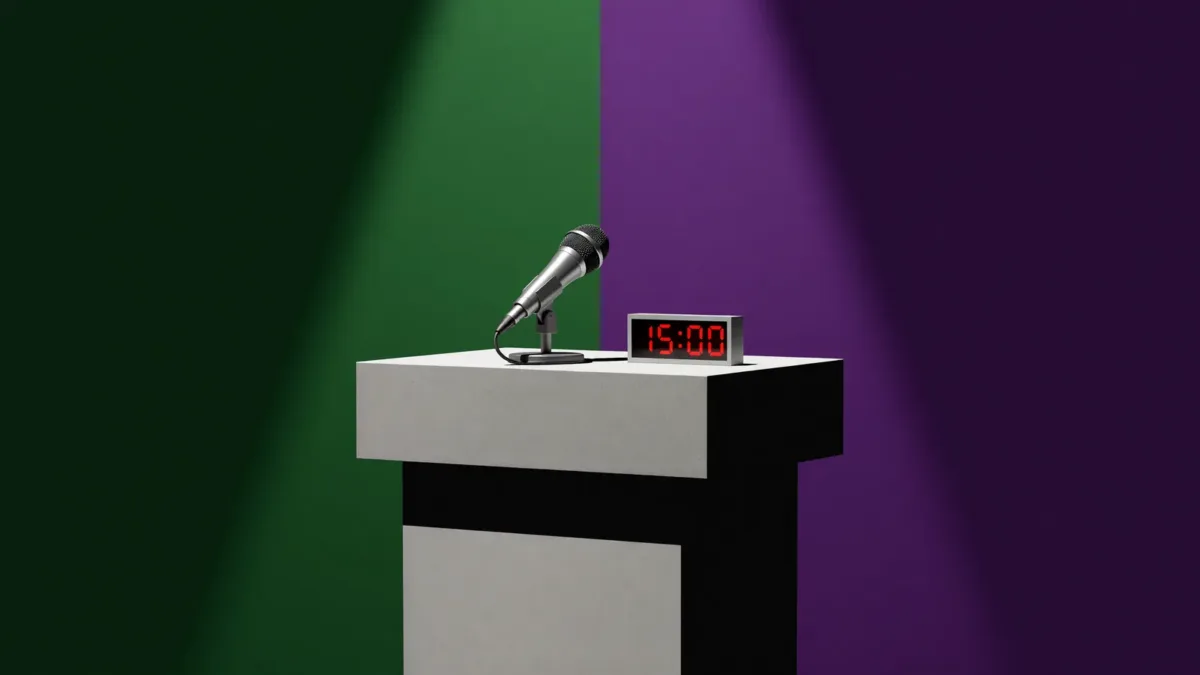
- Roland-Garros (May 2026): At least 20 players, including Sabalenka and Sinner, strictly limited their media obligations to 15 minutes. This was a direct symbolic nod to the roughly 15% share of tournament revenue players currently receive.
- Wimbledon (June 2026): The protest escalated, with stars continuing the 15-minute limit during the first week to demand that "structural issues" be addressed, despite a record 20% increase in the tournament's prize money.
By limiting their exposure, players like Taylor Fritz and Ben Shelton are targeting the most sensitive nerve of the Grand Slams: media rights and audience engagement. If the players won't provide the content, the value of those rights diminishes.
The Math of Discontent
The core of the friction is a widening gap between the revenue generated by the four Majors and the compensation returned to the athletes who provide the spectacle. The players' unified demand is clear: increase their revenue share from the current 15% to 22% by 2030, while securing better funding for player welfare, including health costs and retirement.
While tournament directors argue they have been generous, the players remain unconvinced. The following table highlights the stark disparity in prize money distributions among the majors:
| Tournament | Total Prize Money | Winner's Share |
|---|---|---|
| US Open | $77.7 million | $4.3 million |
| Australian Open | $68.6 million | Not specified |
| Wimbledon | £64.2 million (~€75m) | Not specified |
| Roland-Garros | €61.7 million | €2.8 million |
Even with Roland-Garros increasing its pool by 9.5% this year, players expressed "profound disappointment," noting that the tournament's estimated €400 million in total revenue dwarfs the allocated player share. As Sabalenka noted in Rome, it is a question of respect because I think we give much more than we receive.
The Divide: Militancy vs. Moderation
The player camp is not a monolith, and the tension within the locker room is as palpable as the tension with the organizers. Sabalenka has emerged as the movement's most militant voice, even threatening to boycott Wimbledon entirely if demands aren't met. If we have to go as far as a boycott, I think we, the players, can unite,
she asserted.

In contrast, other top stars suggest a more measured approach:
- Jannik Sinner (No. 2): While supporting the collective view, he remains more diplomatic, stating,
I understand the players who talk about boycott, because you have to start somewhere.
- Iga Swiatek (No. 3): The four-time Paris champion views a full boycott as an
extreme solution,
advocating instead for continuous negotiation. - Elena Rybakina (No. 2): Has maintained a distance, noting she does not participate in the ongoing discussions with the Grand Slams.
On the other side of the table, former Roland-Garros director Guy Forget has criticized the movement as being driven by a certain greed,
pointing out that even players losing in the first round can earn upwards of €80,000 to €90,000. He argues that the prize money has already doubled in ten years and that players should show more gratitude for the platform provided.
Evidence-Led Forecast
The success of Sabalenka's proposed F1-style pivot depends on whether the players can move from a posture of diminishing value (shortening interviews) to maximizing value (creating new, high-engagement formats).
Likely Tactical Pattern: If organizers refuse to budge on the 22% revenue target, expect the 15-minute limitation to be replaced by more targeted, intermittent boycotts of specific media rights holders, rather than total tournament withdrawal.
Decisive Matchup: The battle between player union strength and the All England Club and FFT's refusal to move on current prize money allocations. The players are essentially betting that their collective presence is more valuable to broadcasters than the individual press access currently provided.
Strongest Counter-Case: The Grand Slams may ignore the media-day protests entirely, banking on the fact that the tournament's prestige and the players' desire to win the titles will eventually force them back into traditional media obligations.
What would change the read: Any movement by the Grand Slam organizers to include players in the formal governance and decision-making processes, rather than just offering incremental prize money increases.
Sources
These sources formed the evidence pack for this article. Links open the original publisher; inclusion does not imply endorsement.
- ouest-france.fr original
- franceinfo.fr original
- Lucie Courtin original
- rts.ch original
- actu.fr original
- ladepeche.fr original