Scores, fixtures and picks
These fixtures are connected to teams or competitions named in the article. Live status and scores come from the normalized SportyPulses data feed; predictions are reader picks, not betting advice.
An Extreme Climate and a Systemic Breakdown
When high-intensity athletic training meets the relentless summer climate of the Sonoran Desert, structural safety protocols are designed to be non-negotiable safeguards. Yet, on August 20, 2026—the first day NCAA regulations permitted formal team activities—a 75-minute outdoor conditioning session in Phoenix exposed a severe breakdown in drill deployment, environmental acclimatization, and emergency coordination within the Arizona State University men's hockey program.
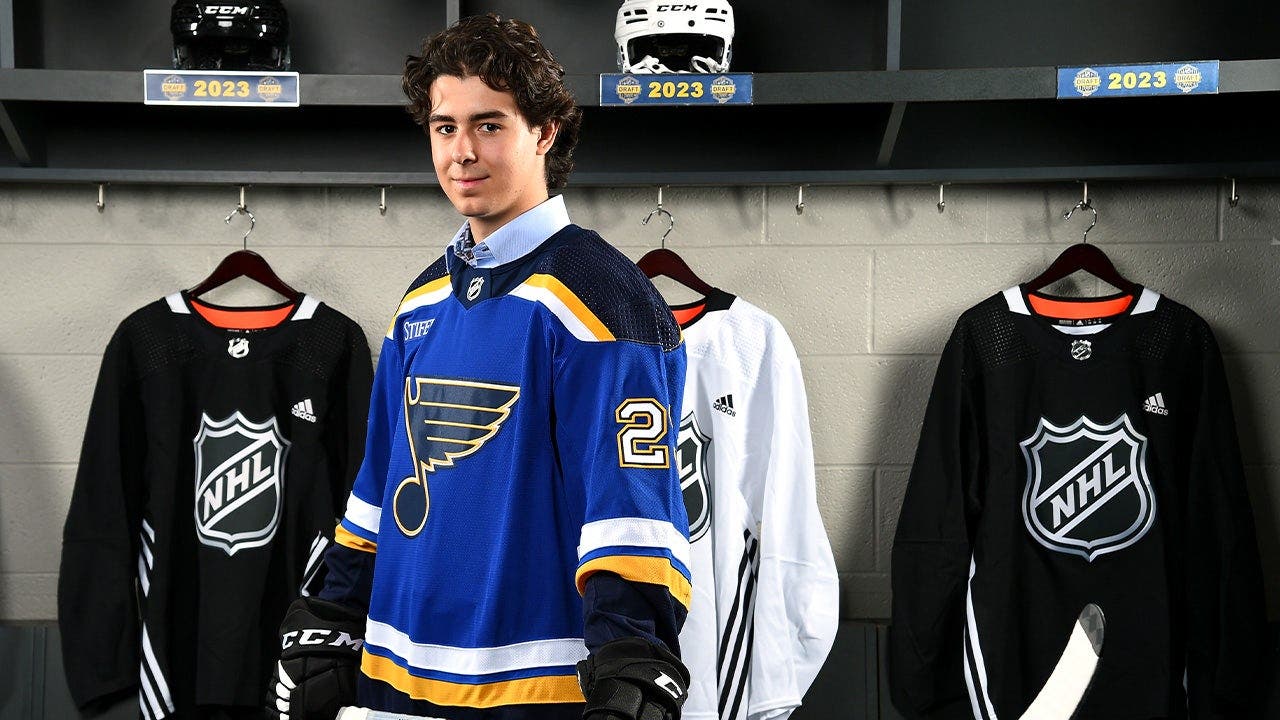
That morning, under a National Weather Service extreme heat warning with temperatures reaching an afternoon high of 106 degrees and an average of 92.5 degrees, 21-year-old defenseman Matthew Mayich collapsed from exertional heatstroke. Hospitalized in a coma ever since with severe brain damage caused by reduced oxygen flow, the sophomore transfer and St. Louis Blues 2023 sixth-round draft pick remains in critical condition. His family's attorney, Rob Carey, has publicly stated that Mayich is unlikely to recover.
Now, as the Sun Devils prepare for their Friday season opener, the investigation surrounding the tragedy has shifted from an isolated medical emergency to an institutional confrontation over safety, protocol compliance, and the power dynamic governing collegiate rosters.
Discrepancies in Drill Execution and Hydration Access
The training session was led by non-university consultant Timothy Ziesel, a former U.S. Army Green Beret brought in by ASU hockey coaches to conduct team-building exercises. According to player testimonies and legal filings, the physical deployment of the squad involved relentless exertion drills: continuous sets of sprints, bear crawls, planks, and push-ups across an open outdoor field. Players were required to repeat instructions back in unison and maintain exact counts for each movement, with lagging groups forced into extra punishment exercises.
A critical divide has emerged between the university's initial administrative findings and direct witness accounts regarding hydration intervals and oversight. A preliminary report released on September 21 by James Rund, ASU Senior Vice President for Educational Outreach and Student Services, stated that a water break occurred approximately 20 minutes into the workout. However, a formal letter sent to ASU President Michael Crow by attorney Timothy J. Casey on behalf of seven anonymous players directly challenges that administrative finding.
blockquote>Letter from seven anonymous ASU hockey players to President Michael CrowThere was one water break, which we estimate was offered 35 to 45 minutes into the session, not 20 as the Rund report found. It lasted seconds and only the first finishers of a drill reached the water, about eight of us. Everyone else was pushed directly into the next task.
According to the players' account, Mayich was among those who received no water at all during the session. The final exercise—a football-field shuttle run carrying a medicine ball—was completed after Ziesel had already departed the field, leaving the team without external consultant supervision during the peak phase of exhaustion.
The Breakdown of Emergency Medical Response
Sun Devil Athletics maintains explicit operational protocols for exertional heat illness, structured around guidelines established by the National Athletic Trainers' Association. These rules mandate that outdoor training sessions must feature an immediate cold-immersion tub half-filled with cold water, flanked by three to four ice chests, dedicated fans, and immediate full-body cooling capability prior to any emergency transport.
The physical evidence detailed by team members reveals a total absence of those mandatory safeguards at the field site:
- Cold Immersion Provision: No cold tub, ice chest, or cooling ice was present on the practice field.
- Emergency Equipment: No fans or stretchers were deployed at the site of exertion.
- Evacuation Protocol: Rather than utilizing immediate cold-water immersion on site or moving Mayich into the cold tub inside nearby Mullett Arena, players were required to physically carry their disoriented teammate to a concrete parking slab south of the bleachers.
Analytical evaluation of the session reveals that despite several athletes showing visible heat distress—including dropping to their knees, vomiting, and Mayich displaying obvious disorientation well before the final exercise—the coaching staff, who were all present on the field, allowed the workout to continue without enforcing heat-illness pauses or immediate medical intervention.
Hierarchical Power and the Demand for Administrative Leave
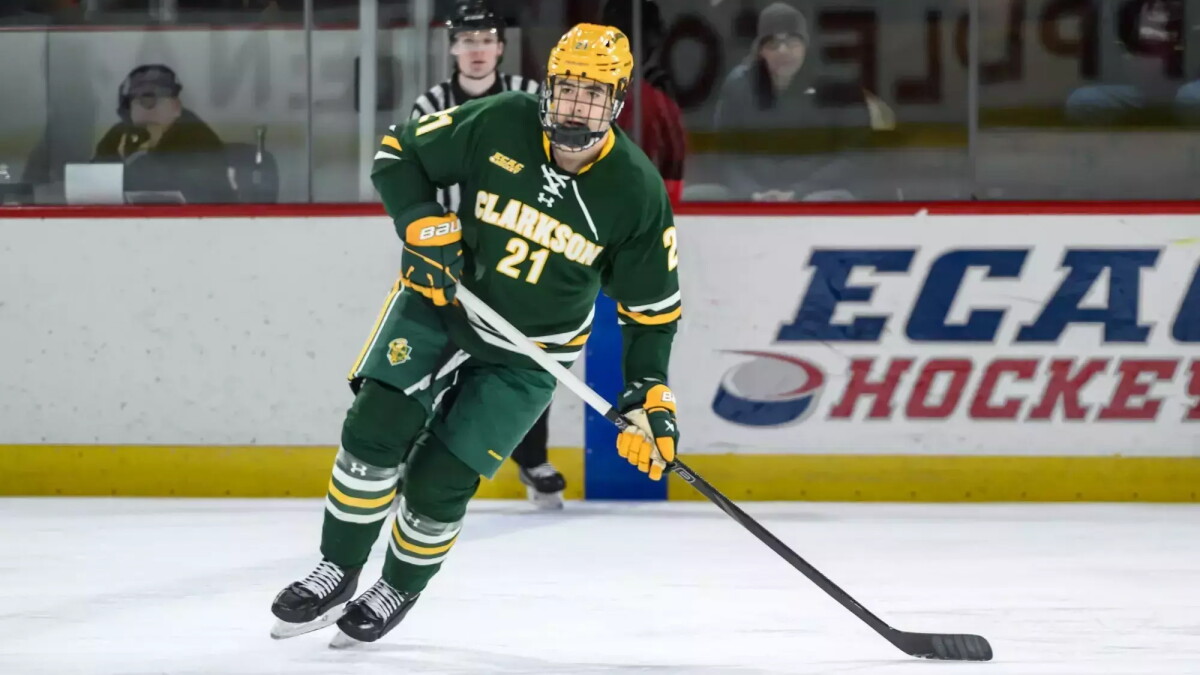
The central concern raised by both Mayich—a former Ottawa 67's assistant captain who scored 15 points at Clarkson University last season before joining ASU as one of 18 new additions—and his teammates is the coercive structure preventing an open investigation. In college hockey, a head coach and his staff possess complete authority over scholarship funding, playing time, and roster spots.
| Issue Area | ASU Preliminary Report (James Rund) | Anonymous Players' Letter (Timothy J. Casey) |
|---|---|---|
| Hydration Access | Water break offered approximately 20 minutes into training session. | Water offered 35–45 minutes in; lasted seconds; limited to top ~8 drill finishers. Mayich received none. |
| Safety Protocols | Recommends advisory panel review for outdoor activities and consultants. | Cites failure to follow heat acclimatization, lack of ice, fans, stretchers, or field immersion tubs. |
| Consultant Credentials | Did not address third-party safety certifications. | Notes no record that consultant Ziesel held required first-aid, CPR, or AED certifications. |
| Coaching Staff Status | No administrative leave or disciplinary action recommended. | Demands coaches be placed on administrative leave to protect player scholarships and open testimony. |
Attorney Rob Carey emphasized that remaining players fear career retaliation if they speak candidly to police or university administrators without protective separation. Carey noted that players worry they will lose scholarships or playing time if they cross the staff, making administrative leave essential for an honest investigation. The seven anonymous players reiterated this demand, asking President Crow to appoint interim coaching leadership until the ASU Police Department and the Maricopa County Attorney's Office complete their reviews.
Despite these formal demands, head coach Greg Powers publicly defended his position during a September 23 NCHC media event, declining to address the police probe directly while citing his nearly 20-year history of building the Sun Devils program as justification for remaining behind the bench. As the season opener arrives, the program remains suspended between administrative continuity and intense scrutiny over athlete safety.
Sources
These sources formed the evidence pack for this article. Links open the original publisher; inclusion does not imply endorsement.
- dailymail.com original
- kjzz.org original
- nbcsandiego.com original
- foxnews.com original