Related coverage
When tennis observers cast their gaze toward the hard courts of the US Open, the conversation inevitably revolves around the duopoly that has gripped the men's game. Carlos Alcaraz and Jannik Sinner have established an unyielding rule over the grand slam landscape, effectively splitting the sport's biggest prizes between them. For competitors like Alexander Zverev, who fell to Alcaraz in the previous year's Roland Garros final and faced injury hurdles in Melbourne, the central question is how to crack a hierarchy that leaves very little room for error.
The Alcaraz-Sinner Axis and the Rest of the Field
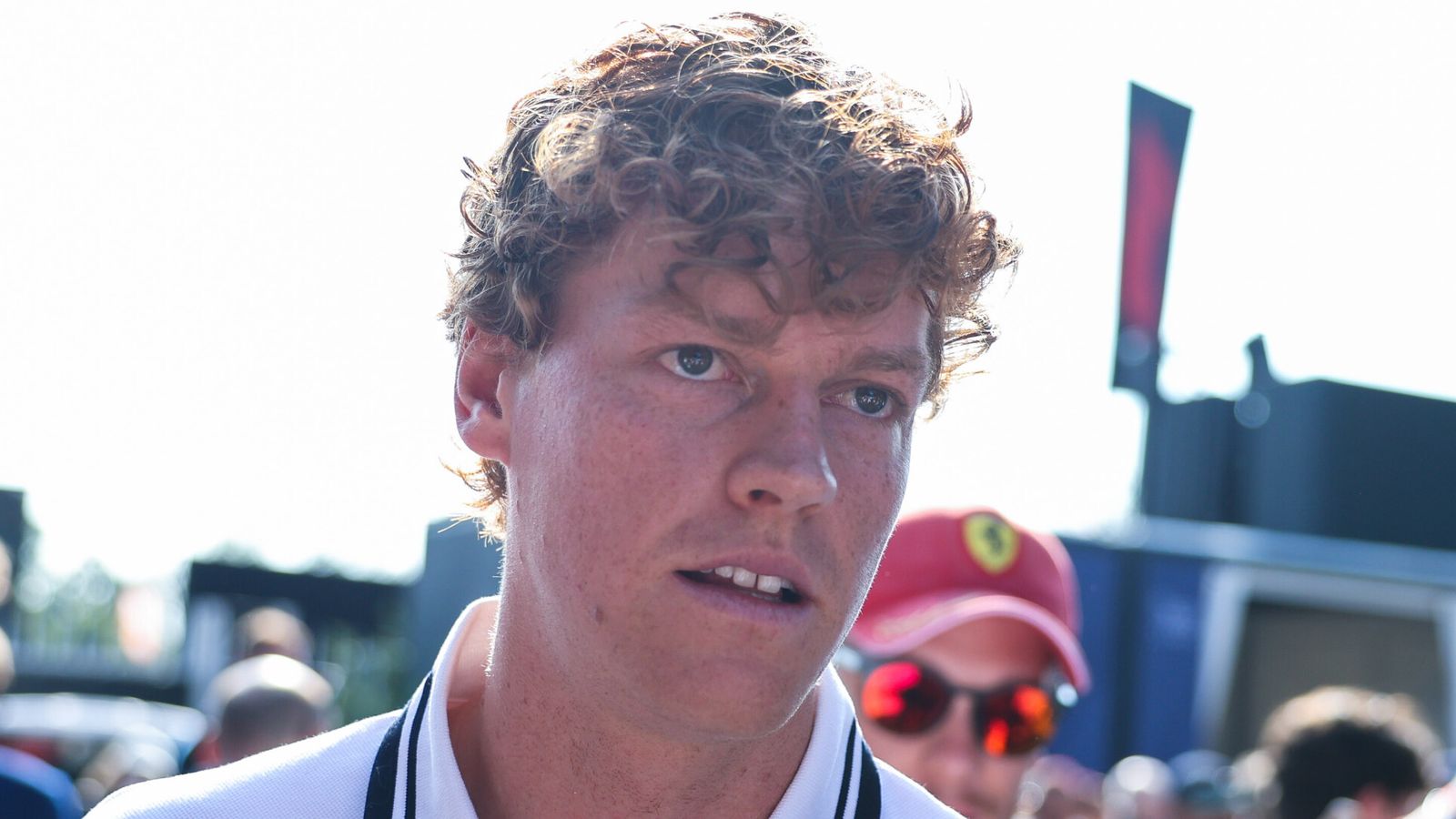
The numbers from recent major championships underscore a profound shift in men's professional tennis. Across the 2024 and 2025 seasons, grand slam titles were claimed exclusively by the pairing of Carlos Alcaraz and Jannik Sinner. Alcaraz, armed with his explosive forehand and his Babolat Pure Aero 98 frame, continued a relentless accumulation of major trophies that eventually included a Career Grand Slam after his triumph at the Australian Open. Sinner, meanwhile, has matched that intensity, using ruthless baseline consistency to secure consecutive major breakthroughs and repeatedly clash with the Spaniard in defining finals.
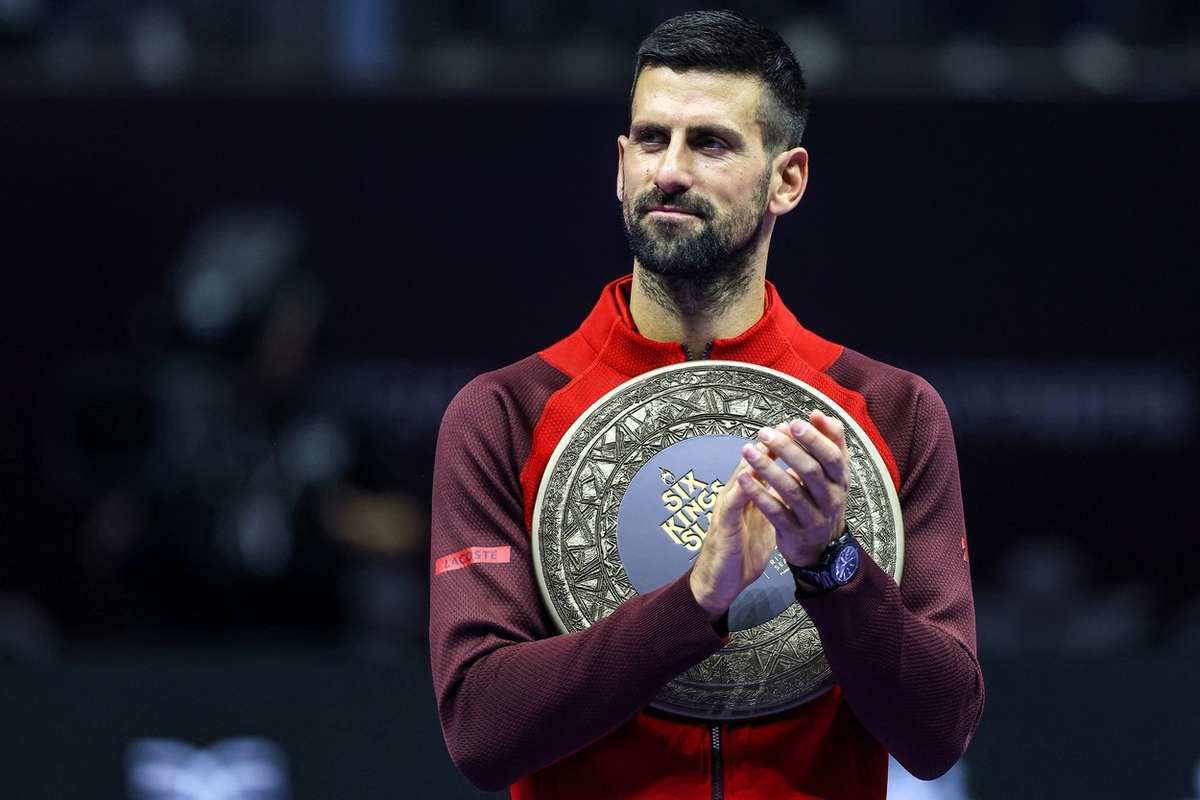
This dynamic leaves veterans and fringe contenders in a grueling tactical squeeze. Novak Djokovic, sitting on 24 grand slam titles and chasing the outright historical record held by Margaret Court, has been remarkably candid about the physical toll required to keep pace. At 38 years old, the Serbian legend acknowledged the reality of competing against the younger generation in the closing rounds of majors, noting that sustaining the necessary energy across two weeks against elite movers is an immense challenge. As legendary player John McEnroe observed regarding the physical demands of modern draws, surviving five grueling rounds before potentially facing both Alcaraz and Sinner back-to-back creates a steep mountain to climb for any veteran challenger.

Zverev's Path and the Hard-Court Equation
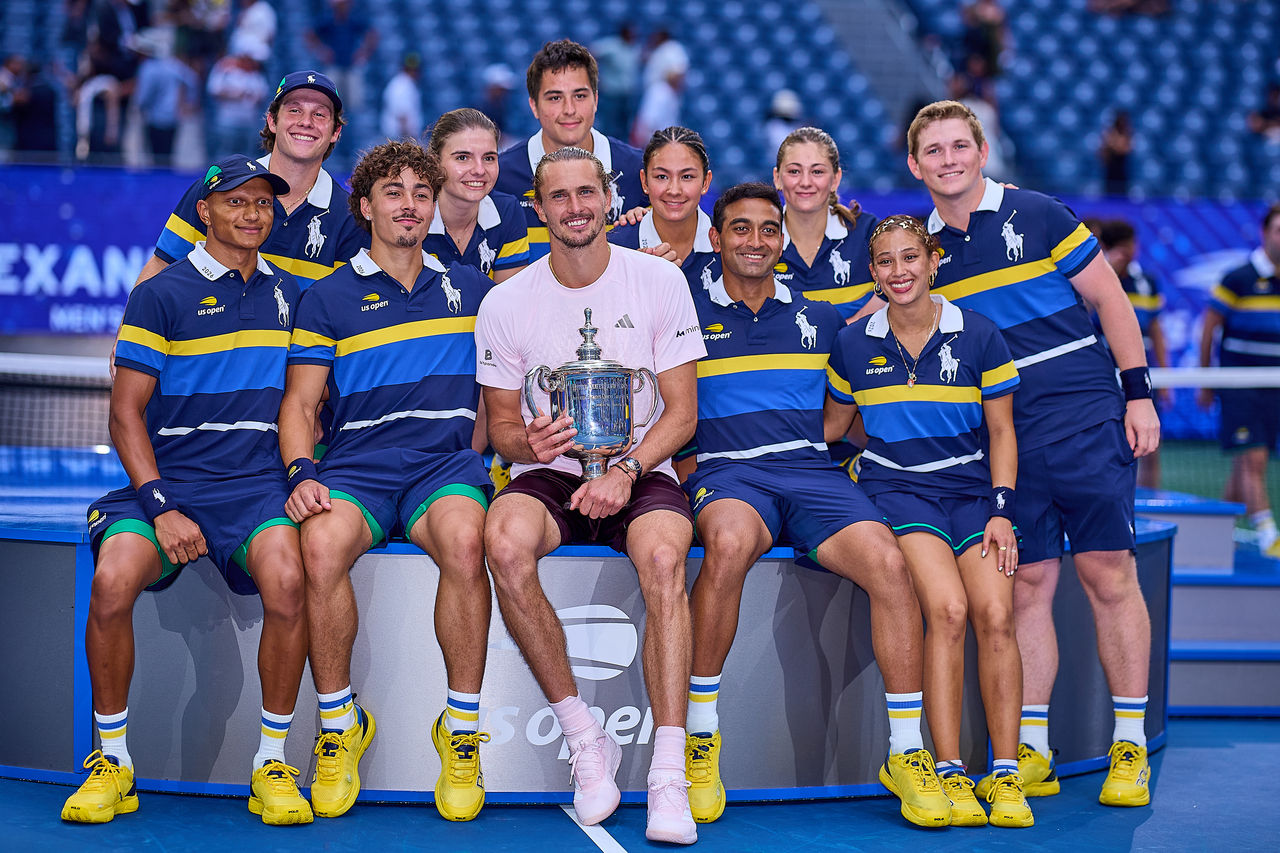
For Alexander Zverev, the path forward requires maximizing every physical advantage and capitalizing on any slight vulnerability in the armor of the top two. Zverev has proven his capability on major stages—pushing deep into weekend rounds and reaching grand slam finals—yet consistency against the sheer weight of Alcaraz's shot-making and Sinner's court coverage remains the definitive test. While Alcaraz manages his equipment and physical conditioning carefully—maintaining a relatively light 310-gram frame configuration and adapting his string setups to protect his arm—his baseline aggression forces opponents into defensive postures from the first ball.
The broader tour ecosystem also reflects this high-stakes stratification, underscored by lucrative exhibition stops like the Six Kings Slam in Riyadh, where Alcaraz, Sinner, Djokovic, and Zverev routinely gather for massive purses alongside players like Taylor Fritz and Alex de Minaur. But exhibition displays offer little respite from the brutal realities of the ATP tour proper.
Tactical Outlook and Decisive Factors
Looking toward the unfolding hard-court swing, any challenger hoping to disrupt the Alcaraz-Sinner hegemony must solve specific tactical equations:
- Pace Control: Allowing either Alcaraz or Sinner to dictate baseline rallies neutralizes even the most potent serves. Successful challengers must take the ball early and redirect pace.
- Physical Preservation: Navigating the early rounds in straight sets is mandatory to preserve the explosive leg drive required in the second week.
- First-Serve Percentage: Against elite returners, free points on first serves remain the primary shield against sustained baseline pressure.
Whether Zverev or any other elite contender can finally break through the current duopoly will depend less on outside fortune and more on executing high-risk aggression under intense pressure. As the hard-court season reaches its peak, the margin between contending for a major trophy and merely surviving the semifinal gauntlet grows ever narrower.
Sources
These sources formed the evidence pack for this article. Links open the original publisher; inclusion does not imply endorsement.
- tennis-point.cz original
- denik.cz original
- sport.ceskatelevize.cz original
- livesport.cz original