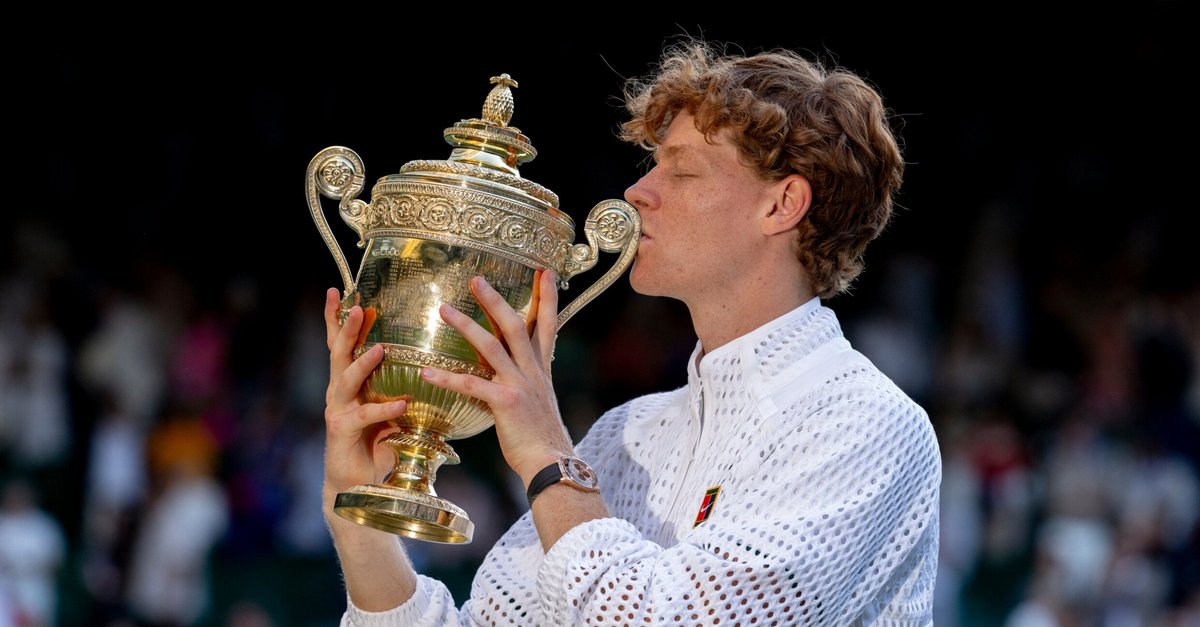
Top seed Alexander Zverev has turned the opening week of the US Open into an unprecedented test of stamina, becoming the first top seed in the Open era to grind through back-to-back five-set matches in the first two rounds of a Grand Slam tournament. Following an agonizing first-round victory over Lorenzo Sonego that saw the German star turn in for sleep at 5:00 AM, Zverev weathered another late-night marathon against world number 52 Quentin Halys, sealing a 6-4, 4-6, 7-6 (7-3), 6-7 (3-7), 6-3 victory at 2:15 AM local time after four hours and 33 minutes on court.
The physical toll on the 29-year-old French Open champion and world number two is substantial, yet the structural landscape of the men's singles draw has shifted dramatically in his favor. With world number one Jannik Sinner absent due to injury, second seed Carlos Alcaraz working his way back after a four-month wrist injury layoff, and a wave of early-round upsets removing major seeds, Zverev stands as the sole top-20 player remaining in his quarter of the draw.
Nocturnal Marathons and the Open Era First
Zverev's passage through the opening rounds has been defined by wild momentum swings in humid New York conditions. Against Halys, the German's play fluctuated dramatically before he sealed the decisive fifth set. The victory marked another demanding recovery window for Zverev, who offered a frank assessment of his turbulent start in Flushing Meadows.
"I hope at some point I'll start playing better. It's great to be announced as the top seed on this court until you almost lose every time."
— Alexander Zverev
Grinding through long matches is familiar territory for Zverev, who reached the Wimbledon final earlier this summer—losing a competitive four-set battle to Sinner (7-6, 6-7, 3-6, 4-6)—and captured his maiden major title at Roland Garros. However, entering the third round with over nine hours of match play already logged creates a distinct physical obstacle as the tournament deepens.
A Collapsing Quarter: Seed Carnage Opens the Draw
While Zverev has been forced to dig deep, his direct pathway through the draw has cleared out at a remarkable rate. Potential roadblocks across his quarter were dismantled in quick succession during second-round action:
- Lorenzo Musetti (13th seed): The Italian, who held a 3-2 career head-to-head advantage over Zverev, fell heavily to Australian wildcard Dane Sweeny in a physical 3-6, 6-1, 6-2, 6-2 match.
- Alex de Minaur (6th seed): Positioned as Zverev's projected quarter-final opponent, the Australian was ousted by Botic van de Zandschulp.
- Felix Auger-Aliassime (3rd seed): The Canadian two-time US Open semi-finalist suffered a sudden physical collapse, reporting dizziness during a 6-7 (5-7), 6-3, 6-2, 6-2 loss to Karen Khachanov.
Auger-Aliassime's exit highlighted the punishing conditions in New York this week. After a set and a half, I just couldn't feel well and was dizzy and seeing spots and couldn't recover,
Auger-Aliassime stated after his match. This was abnormal a little bit, and there were no signs in the last couple of days and no signs this morning, as well.
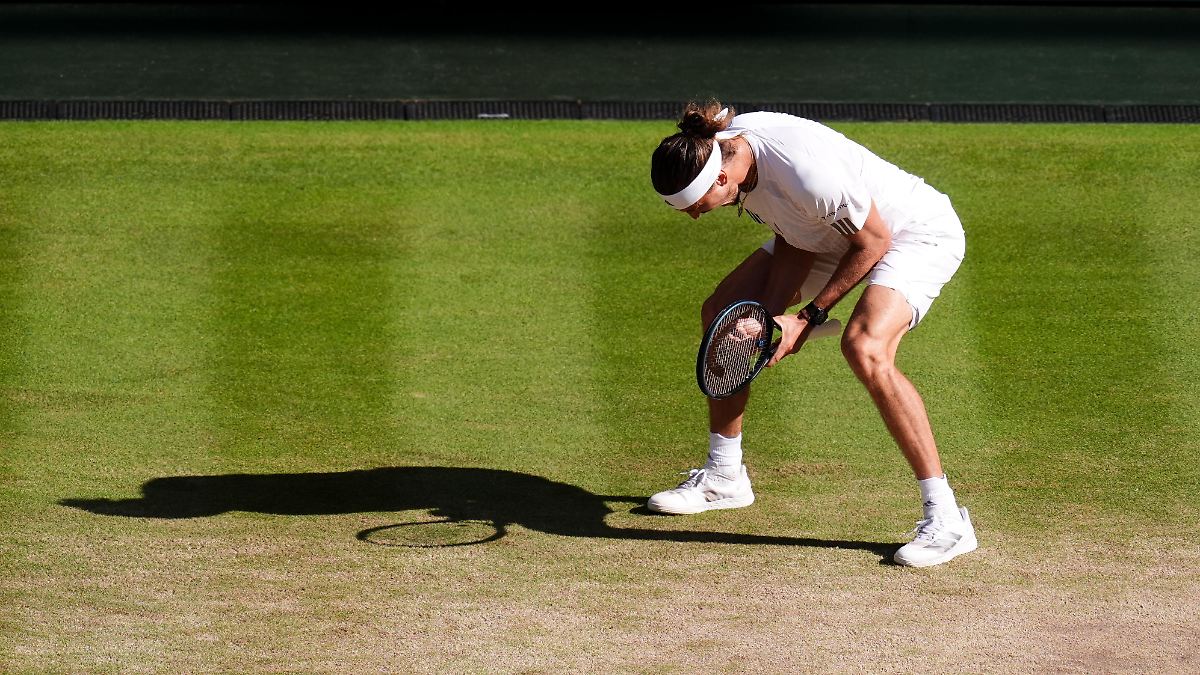
Elsewhere in the men's draw, veteran crowd favorite Gael Monfils saw his Grand Slam career come to a close with a 6-3, 6-4, 6-3 defeat against 14th seed Learner Tien. Monfils confirmed his upcoming transition into retirement, noting he has signed on to work in wealth management for a Swiss financial firm.
The Technical Edge: Managing Baseline Power and Glucose Metrics
Beyond baseline mechanics and serve speed, Zverev's physical management involves a critical court-side procedure. Having lived with Type-1 diabetes for 25 years, the German wears a continuous glucose sensor on his lower back. During turnarounds, Zverev checks his smartphone—kept in flight mode with Bluetooth active—to monitor real-time blood sugar metrics via a specialized application.
When healthy and balanced, Zverev relies on his heavy serve and elite backhand wing. In his Wimbledon final loss to Sinner, Zverev unleashed a forehand winner to take the opening set tiebreak—his first set won against the Italian after 14 consecutive set losses—demonstrating his peak power when physically stabilized.
Evidence-Led Forecast: Zverev vs. Tabilo and Draw Mechanics
Zverev advances to face 25th seed Alejandro Tabilo in the third round, an opponent against whom he has never lost.
Tactical Pattern & Matchup Mechanics
Expect Zverev to prioritize high first-serve percentages early in service games to keep points short and preserve leg strength after back-to-back late-night finishes. Tabilo will aim to extend rallies and test Zverev's lateral movement, looking to exploit any residual tightness from the top seed's nine-plus hours of court time.
Decisive Factor
The primary dynamic lies in Zverev's overnight physical recovery and early-set efficiency. If Zverev can secure early breaks, he can minimize taxing baseline exchanges and dictate points with aggressive baseline length.
Strongest Counter-Case
If Zverev's serve velocity drops—reminiscent of his Wimbledon final knee overextension where serve speeds waned—Tabilo can gain traction from the baseline. Extended long games could invite physical fatigue or glucose fluctuations, leaving the top seed vulnerable to another drawn-out contest.
What Would Change the Read
A swift, straight-sets victory by Zverev with sharp service hold metrics would signal that his physical recovery program is effective, cementing his status as the primary candidate to advance from his half of the draw.
Sources
These sources formed the evidence pack for this article. Links open the original publisher; inclusion does not imply endorsement.