Related coverage
View the Instagram post
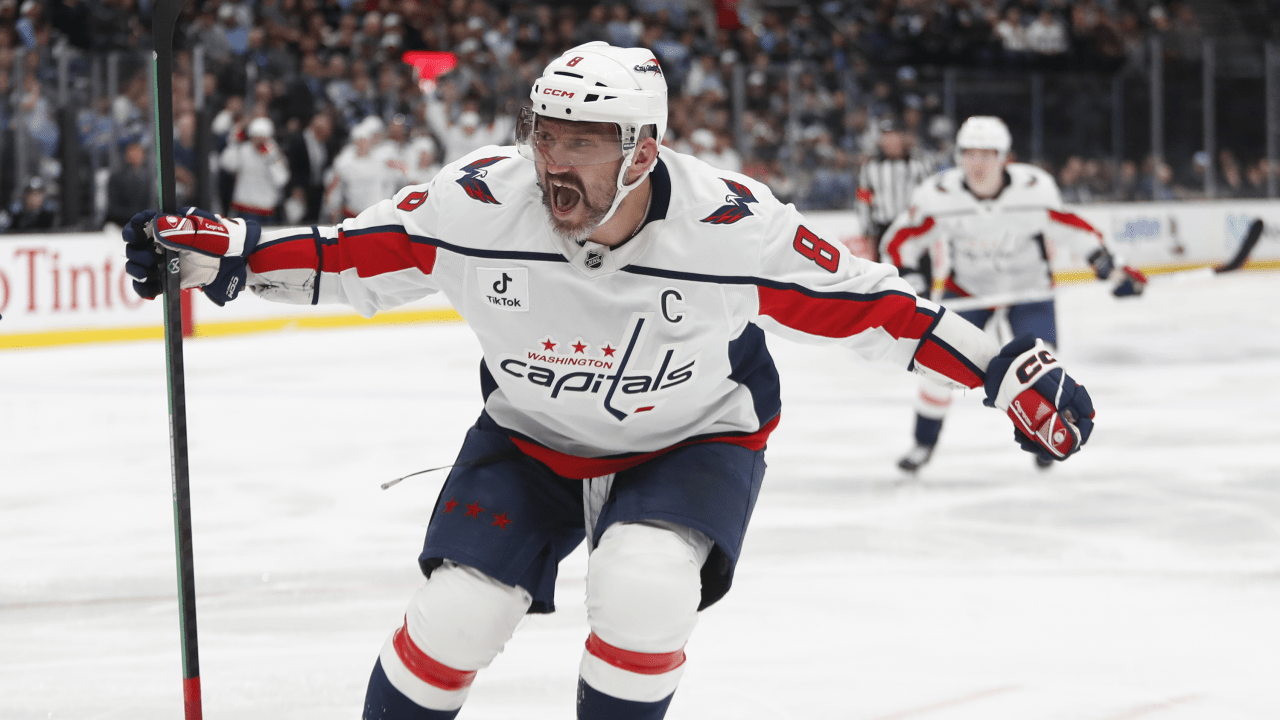
The uncertainty surrounding Alex Ovechkin’s future has ended with a contract that balances the reality of a 40-year-old veteran against the immense value of an all-time great. On July 2, 2026, the Washington Capitals confirmed that their captain has signed a one-year extension, ensuring the NHL’s all-time leading goal scorer will return for his 22nd professional season.
For a player nearing his 41st birthday this September, the deal is structured with a level of specificity that reflects both his declining age and his enduring productivity. While the contract carries an average annual value (AAV) of $4.25 million, the underlying mechanics provide a much larger potential windfall.
The Financial Structure of the Extension
The Capitals have utilized a performance-heavy architecture to manage the risk of a veteran's final years. Under the terms of the agreement, Ovechkin will receive a base salary of $1 million. However, the contract includes a $3.25 million signing bonus and a $4.75 million performance bonus that is triggered once he plays 10 games. If all conditions are met, the total payout for the season could reach as high as $9 million.
This move follows the conclusion of his previous five-year, $47.5 million deal, which averaged $9.5 million annually. By pivoting to this incentivized structure, Washington maintains cap flexibility while providing Ovechkin the opportunity to earn significant compensation based on his availability and presence on the ice.

Ovechkin addressed the decision following discussions with his family and team leadership. I am in good health. I love playing hockey and fighting to win. I am excited to return to join my teammates so that we can fight to return to the playoffs and have a chance to win,
he stated in an official release.
The Pursuit of the 1,000-Goal Regular-Season Mark
While Ovechkin has already reached the milestone of 1,000 career goals when including his playoff tally, a specific statistical mountain remains in his sights: the 1,000-goal plateau for the regular season alone. As of this signing, Ovechkin has recorded 929 regular-season goals. To reach the four-digit mark in that category, he requires exactly 71 more goals.
The pursuit is underscored by a career defined by singular dominance. His statistical profile is a collection of NHL records that highlight both his scoring prowess and his physical presence:
| Achievement Category | Career Statistic |
|---|---|
| Regular-Season Goals | 929 |
| Total Career Points | 1,687 |
| Powerplay Goals | 331 |
| Game-Winning Goals | 141 |
| Overtime Goals | 27 |
| Career Hits | 3,871 |
Beyond the sheer scoring volume, Ovechkin remains a physical deterrent. His 3,871 career hits rank him third all-time, reinforcing his reputation as a player who exerts physical gravity on the ice. His ability to produce even in his 40s was evident last season, where he led the Capitals with 32 goals and 64 points in 82 games, marking the sixth time in his career he played a full 82-game regular season.
The Mission for Washington
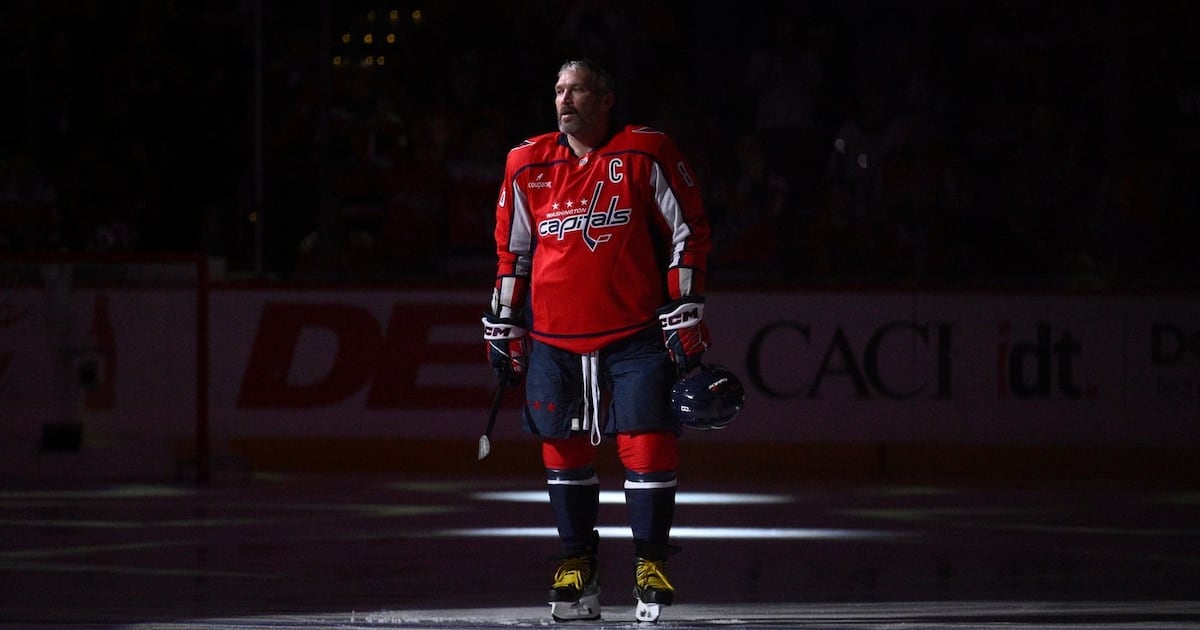
The extension is not merely a victory for Ovechkin’s personal legacy, but a strategic move for a Washington franchise seeking to return to the postseason. Last season, the Capitals finished with a 43-30-9 record, ultimately missing the playoffs by three points, trailing behind the Philadelphia Flyers and the third rank in the Metropolitan Division.
Capitals owner Ted Leonsis emphasized the importance of Ovechkin's continued involvement, noting that since being drafted in 2004, the captain has played with "unparalleled passion," "unwavering determination," and an "unwavering commitment" to the organization and the city. The leadership group, including General Manager Chris Patrick, is betting that the offensive engine that drove their 2018 Stanley Cup championship still possesses the necessary fuel to navigate a competitive Metropolitan Division.
As Ovechkin enters his 18th season as captain, the focus remains split between the team's collective need for playoff contention and his own drive to rewrite the NHL record books one final time.
Sources
These sources formed the evidence pack for this article. Links open the original publisher; inclusion does not imply endorsement.
- nhl.com original
- lapresse.ca original
- lequipe.fr original
- ici.radio-canada.ca original
- rds.ca original