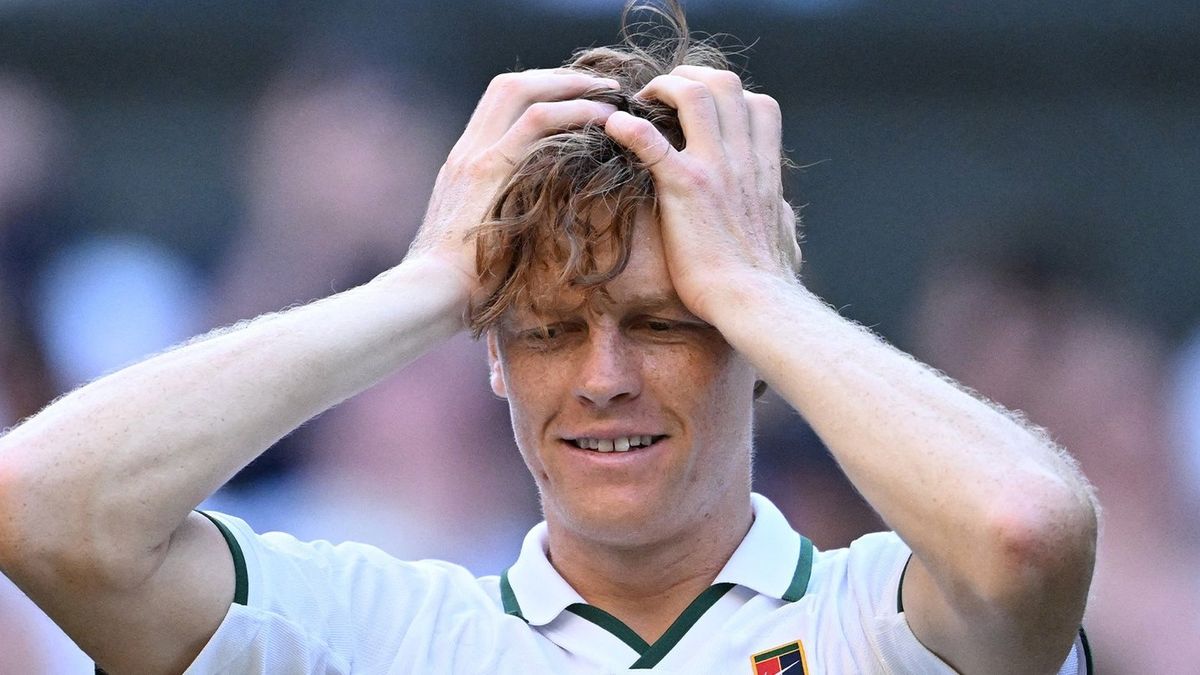
In the high-velocity ecosystem of professional tennis, seismic shifts rarely arrive without warning—yet the sudden announcement that world No. 1 Jannik Sinner will not play the US Open has sent an immediate shockwave through the locker room and upended the final major of the season. Sinner, who established a relentless grip on the tour's summit by reaching every single Grand Slam final across the calendar year—triumphing at the Australian Open, executing a monumental revenge run at Wimbledon, and battling through fierce clay-court marathons—now steps away from Flushing Meadows entirely.
The withdrawal radically alters the landscape of men's tennis. Only weeks prior, the sport was marvelling at the historic cadence of the Sinner-Alcaraz duopoly. During a single remarkable season, the Italian maestro and his fiercest rival, Carlos Alcaraz, met in three consecutive major championship matches, pushing each other to physical and tactical extremes. Alcaraz holds a 10:5 advantage in their head-to-head encounters, having clawed his way to victory in the Roland Garros final before overpowering Sinner in a dominant four-set US Open title clash where Swedish legend Mats Wilander remarked that when Alcaraz plays without unforced errors, he is unsporvailable
—or rather, as Wilander famously put it, if Carlos is displaying that kind of focused tennis without unforced errors, he is unbeatable.
Without the world No. 1 in the draw, the competitive math at Flushing Meadows shifts overnight. Sinner's absence removes the ultimate baseline benchmark from the fortnight, opening the door for chasing contenders and altering the points defense at the top of the rankings ladder where Alcaraz has pressed his advantage.

The Anatomy of a Tour Dominated at the Top
To understand the weight of Sinner's withdrawal, one must look at the unprecedented territory he and Alcaraz had carved out. Sinner joined an elite historic club by reaching all four major title matches in a single season, placing himself alongside Novak Djokovic, Roger Federer, and Rod Laver in the Open Era record books. His journey to the top has been defined by cold precision and an iron-clad mental reset, whether he was fending off match points against Ben Shelton on the lawns of Wimbledon or grinding down Félix Auger-Aliassime in New York.
Yet, the physical toll of sustaining that level of excellence across consecutive deep major runs is heavy. While sources note Alcaraz's recent surge—including a 760-point cushion and a blistering run of six titles from his last eight tournament finals—Sinner's decision to sit out the US Open strips the tournament of its marquee rivalry.

What Changes on the Ground
- The Draw Dynamics: The absence of the top seed removes a primary quadrant anchor, forcing tournament organizers and players alike to recalculate their paths through the second week.
- Ranking Implications: With significant points on the line in New York, challengers have a clearer, albeit altered, runway to close the gap at the summit.
- The Rivalry Pause: Fans will be denied the next chapter of an escalating 10:5 head-to-head saga that has come to define modern men's tennis.
As the tennis world reorganizes itself around an unexpected vacuum at the top, attention now pivots to how the remaining contenders handle the sudden absence of the sport's most consistent measuring stick.
Sources
These sources formed the evidence pack for this article. Links open the original publisher; inclusion does not imply endorsement.
- sport.ceskatelevize.cz original
- denik.cz original
- sport.cz original