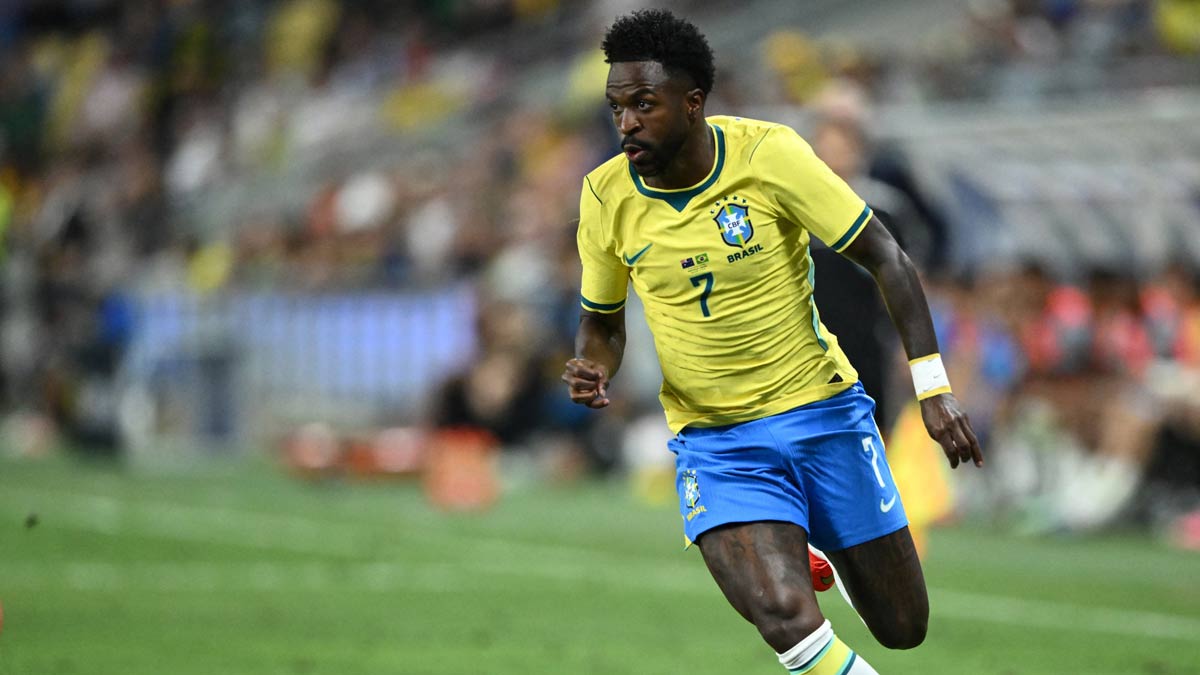
How Inverted Full-Backs Work
Historically, full-backs overlapped down the wing to deliver crosses while wingers cut inside. Modern positional play frequently reverses those duties: pure touchline wingers stretch the opposition back four from sideline to sideline, while one full-back tucks infield alongside the defensive midfielder and the remaining three defenders slide across into a back three.
This shift transforms a nominal 4-3-3 into a 3-2-5 or 3-2-4-1 structure in possession. With two holding midfielders forming a double pivot and two attacking midfielders operating in the pockets ahead, the team creates a "box midfield" that overwhelms standard two- or three-man opposing midfields.
Key Numbers and Benchmarks
Teams deploying an inverted full-back routinely boost central-third progressive passes by 15 to 25 percent while cutting opponent fast-break shots allowed. Because five players (the back three plus two pivots) stay positioned centrally behind the ball—the team’s "rest defence"—the opponent cannot break straight through the spine after a turnover and is forced toward the flanks.
Why It Decides Matches
Inverting a defender solves two tactical problems simultaneously: it unlocks passing angles against a two-striker press and gives attacking number eights freedom to attack the penalty box without leaving the defensive midfielder isolated. Opponents face an awkward dilemma—either drag a winger deep to track the inverted defender or concede midfield control.
When a rival does push an extra midfielder forward to match the box shape, space immediately opens for a direct switch of play into the isolated winger on the far touchline.
Common Misconceptions
Inverted full-backs do not need to be converted central midfielders with dazzling dribbling skill; their most important traits are press resistance on the half-turn, scanning awareness before receiving, and recovery speed when transitioning back to wide defending.